





The Sweet Allure of Chocolate Skincare
The beauty world is buzzing with chocolate-infused treatments, from spa facials to DIY recipes flooding social media. The appeal is obvious: it feels luxurious, natural, and smells incredible. Brands and influencers claim that cocoa, the star ingredient,
can transform your skin. The promise is a potent mix of antioxidants and minerals delivered in the most delightful way possible. The trend taps into our desire for natural, food-based beauty solutions that feel both wholesome and indulgent. But before you raid your pantry, it's crucial to distinguish between marketing hype and actual skin science.
The Claim: A Fountain of Youthful Antioxidants
The primary benefit touted for chocolate masks is their antioxidant content. Proponents claim that the flavonoids and polyphenols found in cocoa powder are powerful anti-aging agents. These compounds are said to fight free radicals—unstable molecules from pollution and UV rays that damage skin cells, leading to wrinkles and fine lines. The theory is that applying these antioxidants topically can protect the skin, boost collagen production, and leave you with a radiant, youthful glow. Some sources even suggest cocoa has anti-inflammatory properties that can soothe irritation.
The Reality: A Matter of Formulation and Absorption
While cocoa is indeed rich in antioxidants, the benefits are most proven when it's ingested. Studies show eating high-flavanol dark chocolate can improve skin hydration and protect against sun damage from the inside out. When applied topically, the story is more complicated. For antioxidants to be effective, they need to be in a stable formulation that can penetrate the skin. Some dermatologists argue that the antioxidant molecules in a simple DIY cocoa powder mask may be too large to be effectively absorbed by the skin, offering more of a pleasant smell than a real benefit. Professionally formulated products with cocoa extract are likely more effective, but the benefits may still be modest compared to proven ingredients like Vitamin C or retinoids.
The Claim: A Miracle Moisturiser
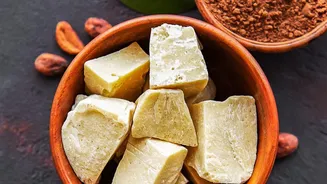
Many chocolate masks, particularly commercial ones, contain cocoa butter. This fat, derived from the cacao bean, is a known emollient, meaning it can soften and moisturise the skin. The claim is that a chocolate mask will leave your skin feeling supple, hydrated, and smooth by locking in moisture and nourishing the skin barrier. This sounds especially appealing for those with dry or rough skin looking for a natural hydrating solution.
The Reality: A Potential Pore Clogger for Some
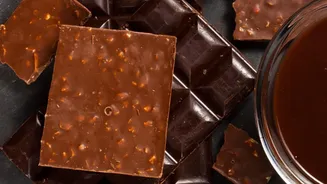
Here's where you need to be careful, especially if you have oily or acne-prone skin. Cocoa butter is highly comedogenic, with a rating of 4 on a scale of 5. This means it has a high likelihood of clogging pores and causing breakouts or blackheads. While it can be an excellent moisturiser for dry skin on the body, it’s a questionable choice for the face for many people. Furthermore, if you're thinking of using a melted chocolate bar—don't. The sugar and milk solids in eating chocolate are terrible for your skin and could lead to irritation and acne. Always use unsweetened cocoa powder for any DIY recipe.
The Verdict: A Treat for the Senses, Not a Skincare Staple
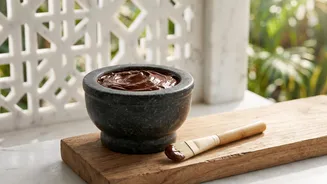
A chocolate face mask, especially a homemade one with pure cocoa powder, plain yogurt, and honey, is generally a safe and enjoyable experience for most skin types. The lactic acid in yogurt can offer a gentle exfoliation, and honey has natural antibacterial and hydrating properties. The cocoa provides a temporary boost in circulation and a lovely aroma. However, it is not a miracle cure for aging or a replacement for targeted skincare treatments. Think of it as a fun, sensory indulgence—a mini-spa moment at home—rather than a powerhouse product that will fundamentally change your skin.