







Your Body After a Fast
Nine days of a restricted diet, often involving lighter foods like fruits, dairy, and specific flours, gives your digestive system a significant break. This period of rest means your stomach and intestines have slowed down their production of digestive enzymes.
The gut's natural rhythmic contractions, which move food along, also become more sluggish. Essentially, your digestive system has been in a state of partial hibernation. It becomes more sensitive, and the lining of your stomach and intestines can be more easily irritated. Jumping straight into a heavy, complex meal is like asking someone to sprint a marathon without any warm-up. This sudden shock can lead to significant discomfort, undoing the rested feeling you may have cultivated during the fast.
The Fiery Problem with Spicy Foods
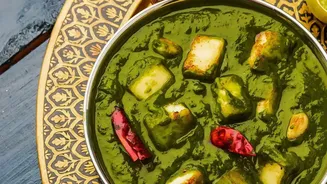
Spicy foods, beloved in many Indian cuisines, get their heat from a compound called capsaicin. While capsaicin can have health benefits in a normal diet, it can be harsh on a sensitive stomach. After fasting, your empty stomach has a higher concentration of acid. Introducing spicy food at this stage can irritate the stomach lining, leading to a burning sensation, severe acidity, and heartburn. The capsaicin can trigger an overproduction of stomach acid and speed up intestinal movement, which doesn't give your body enough time to absorb fluids properly. This can result in uncomfortable outcomes like stomach pain, cramping, and even diarrhoea. For individuals already prone to conditions like GERD or ulcers, the effects can be even more pronounced and painful.
The Heavy Toll of Fried Feasts
Similarly, fried foods like puris, vadas, and pakoras can be a shock to your system post-fast. These foods are high in fats, which are the most slowly digested macronutrient. This places a tremendous amount of pressure on a digestive system that is just waking up. Your body needs to produce a significant amount of enzymes and digestive juices to break down these heavy fats. After a fast, it simply isn't prepared for that workload. This can lead to a feeling of extreme heaviness, bloating, gas, and indigestion. The high fat content can also trigger acid reflux. Moreover, many Navratri 'vrat' foods are already fried, meaning some people end their fast feeling heavier than when they began. Adding more fried food immediately after only compounds the problem.
Gentle Foods for a Smooth Transition
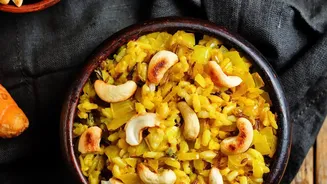
The key to comfortably breaking your fast is to be gentle and gradual. Your first few meals should focus on rehydration and easy-to-digest nutrients. Start with fluids like coconut water, buttermilk, or a light, low-sodium vegetable broth. Simple fruits such as bananas, melons, or papayas are excellent choices as they provide natural sugars for energy without being too acidic. For your first proper meal, opt for something soft, cooked, and soothing. A small bowl of moong dal khichdi, curd rice, or steamed vegetables is ideal. Yoghurt and other probiotics can help replenish healthy gut bacteria, aiding a smooth return to normal digestion. These foods provide nourishment without overwhelming your system.
Pacing Your Return to a Regular Diet
It’s best to wait at least a day or two before reintroducing very spicy, oily, or heavily processed foods. Think of it as a reverse fast. On the first day after breaking the fast, stick to simple, balanced meals. You can slowly reintroduce whole grains, lean proteins like dal or paneer, and a wider variety of cooked vegetables. Pay attention to how your body feels after each meal. If you experience any bloating or discomfort, revert to simpler foods. By the second or third day, your digestive system will be more prepared to handle richer and spicier fare. This gradual approach ensures you avoid the pain and discomfort that can come from being too hasty, allowing you to truly enjoy the festive foods you've been looking forward to.