







The Sobering Findings
The 'State of Food Security and Nutrition in the World 2026' report, released by the United Nations, paints a complex picture for India. On one hand, the country has made remarkable strides in reducing outright hunger, with the number of undernourished
people falling by over 100 million in the last two decades. However, the report reveals a troubling counter-narrative: affordability is the new frontier in the battle for nutrition. According to the data, a staggering 520 million Indians, or about 35.5% of the population, could not afford a healthy diet in 2025. This suggests that while more people are getting enough calories to survive, a massive portion of the population is priced out of the diverse, nutrient-rich foods required to thrive.
The Rising Price of Good Health
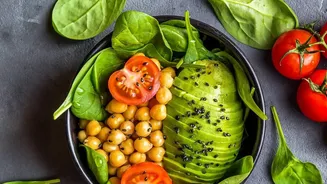
So, what does a healthy diet cost? The UN report estimates the daily cost in India reached $4.11 in purchasing power parity (PPP) terms in 2025. This figure represents the amount needed for a diet that includes a variety of foods like fruits, vegetables, lean proteins, and whole grains. Worryingly, the cost of such a diet has surged by nearly 48% since 2017, an inflation rate that has significantly outpaced income growth for many households. This isn't just an abstract number; it means that for a large section of the population, the daily choice is between affordable staples like rice and wheat and more expensive, but vital, nutritious foods. When budgets are tight, fruits, vegetables, and dairy are often the first items to be sacrificed.
Why Is Nutritious Food So Expensive?
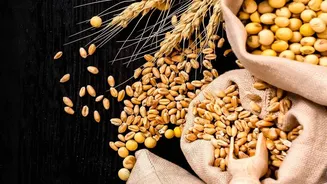
Several factors are driving up the cost of healthy food. As incomes rise, there is a natural shift in demand towards higher-value foods like dairy, eggs, and produce, but supply hasn't always kept pace. Agricultural policies have historically focused on ensuring a sufficient supply of staple grains like rice and wheat through Minimum Support Prices (MSP) and the Public Distribution System (PDS). While crucial for preventing famine, this cereal-centric approach has not equally incentivised the production of fruits, vegetables, and pulses, making them more susceptible to market volatility. Furthermore, supply chain inefficiencies, rising fuel costs, and weather-related disruptions contribute to price hikes that are ultimately passed on to the consumer.
The Human Cost of an Unaffordable Diet
The consequences of this economic barrier extend far beyond the dinner plate. When a nutritious diet is out of reach, it fuels a public health crisis. India faces a dual challenge of undernutrition, including high rates of child stunting and wasting, alongside a growing epidemic of obesity and non-communicable diseases like diabetes and heart disease linked to diets high in processed foods and refined grains. An estimated 35.5% of children under five are stunted, a condition with long-term impacts on cognitive development and physical health. This creates a vicious cycle: poor nutrition leads to poor health, which in turn leads to higher medical costs and reduced productivity, further straining family finances.
Pathways to a Healthier Future
The report isn't just a diagnosis; it's a call to action. Experts suggest a multi-pronged approach is necessary. This includes reorienting agricultural policies to support the diversification of crops beyond just cereals, focusing on nutrient-rich pulses, millets, fruits, and vegetables. Strengthening and expanding the Public Distribution System to include more nutritious items could also be a game-changer. Improving supply chain infrastructure to reduce waste and price volatility is another critical step. Finally, empowering consumers with knowledge about nutrition and promoting the use of local, seasonal produce can help families make the most of their food budgets. The goal is to transform the food system so that a healthy choice becomes an easy and affordable choice for everyone.