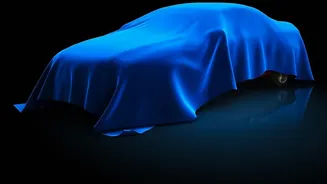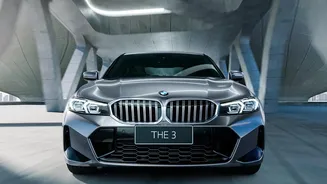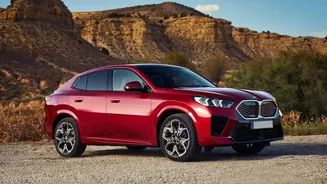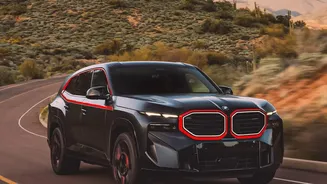


An Unprecedented Product Offensive
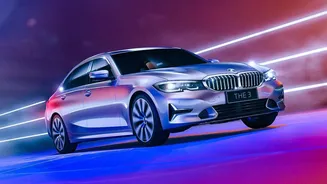
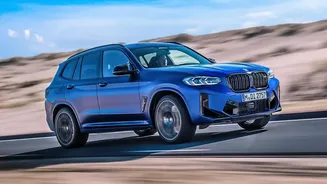
In a bold declaration of intent, BMW Group India has committed to one of its most ambitious product pushes to date, confirming a total of 25 new launches for the Indian market this year. This massive rollout is part of a strategy to outpace competitors
and solidify its position at the top. The plan, as outlined by company president Vikram Pawah, is comprehensive, covering all brands under the BMW Group umbrella. The offensive includes 14 new BMW cars, two new models from its iconic MINI brand, and eight new motorcycles from BMW Motorrad. This figure encompasses six all-new products, three major facelifts, and over a dozen new variants of existing models, ensuring fresh options for customers across every price point and segment within the luxury space. This plan follows a record-breaking sales performance, indicating the company's confidence in the market's appetite for new and diverse premium offerings.
The Key Launches Hitting the Road
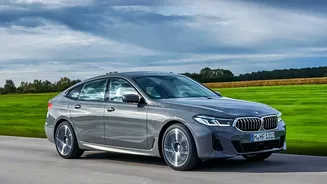
While the full list of 25 models unfolds throughout the year, the company kicked off the second half with a major event, launching four key products simultaneously. Headlining this was the all-new BMW 5 Series in its long-wheelbase (LWB) form, a model specifically tailored for the Indian market where rear-seat comfort is highly valued. This launch is strategically critical as the 5 Series competes in a fiercely contested segment. Alongside it, the company introduced the new-generation MINI Cooper S and the all-electric MINI Countryman, catering to urban buyers looking for style and performance, with a sustainable twist. Rounding out this quartet was the futuristic BMW CE 04, the country's first luxury electric scooter, marking a significant step into premium urban e-mobility. These initial launches demonstrate the breadth of BMW's strategy, touching upon core sedans, lifestyle hatchbacks, and electric mobility all at once.
The Strategy to Seize the Top Spot
This product blitz isn't just about flooding the market; it's a calculated move to capture and sustain market leadership. BMW Group India has consistently aimed to grow faster than the overall luxury market, and this offensive is its primary engine for achieving that goal. The company's success is built on a strong foundation of local production. According to company executives, approximately 90% of the cars sold in India are manufactured at its Chennai plant, which allows for more competitive pricing and better adaptation to local tastes. After achieving its highest-ever half-yearly sales, the brand is leveraging this momentum, believing the influx of new models will make the second half of the year even stronger. The strategy is clear: use a diverse and fresh portfolio to attract a wider range of customers and solidify its claim as the leading luxury automaker in the country.
Focus on Electric and High-End Luxury
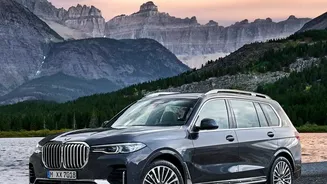
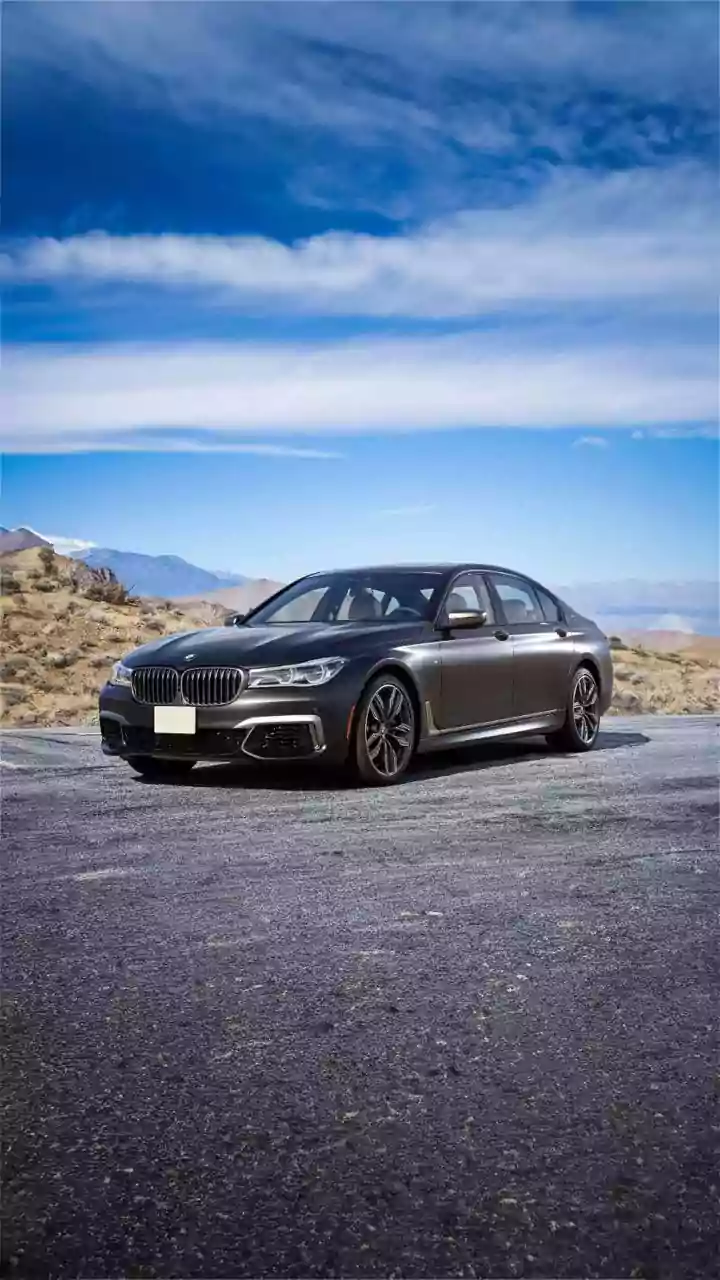
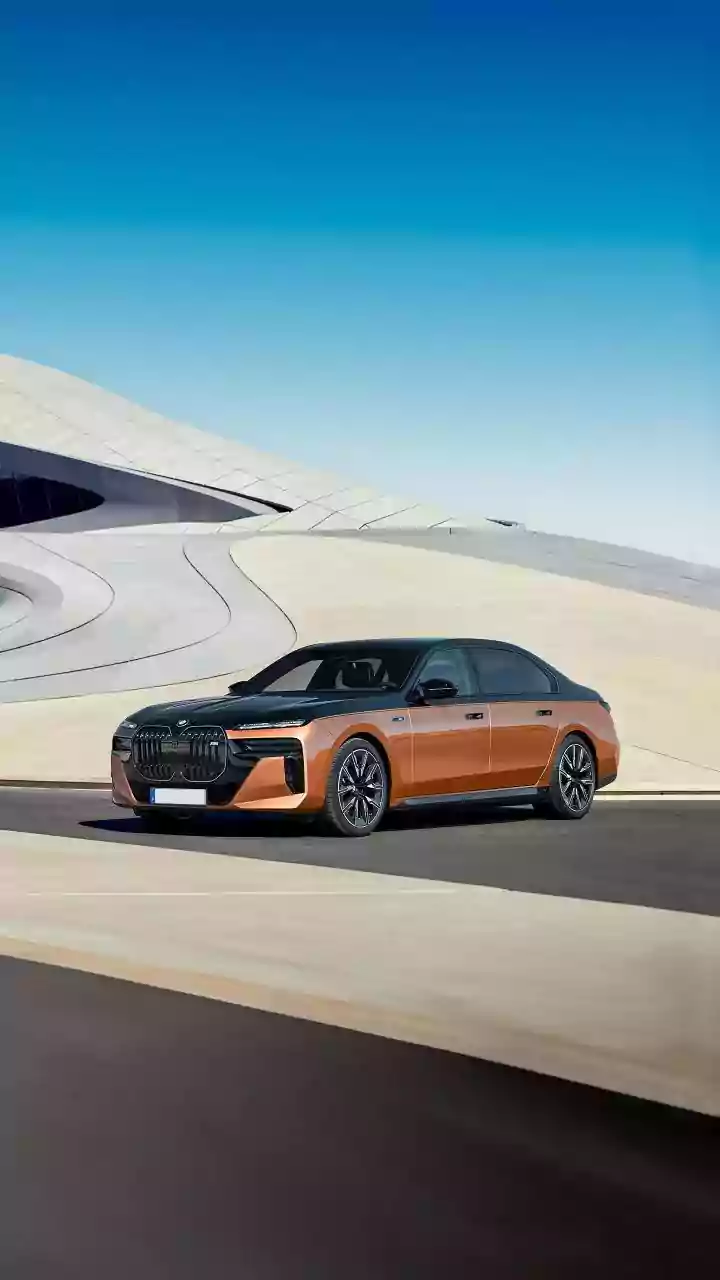
Two pillars are central to BMW’s growth strategy in India: electric vehicles and the top-tier luxury segment. The brand has established itself as a leader in the luxury EV space for three consecutive years and aims to cement that position further. The launch of the electric MINI Countryman and CE 04 scooter are key parts of this push, expanding its electric footprint beyond its core BMW 'i' models like the i7 and iX. Simultaneously, BMW is focusing heavily on its 'Luxury Class'—comprising the 7 Series, i7, X7, and XM. This high-margin segment is crucial for profitability and brand prestige, with reports showing that nearly one in every five BMWs sold in India belongs to this top-end category. By catering to both the environmentally conscious buyer and the ultra-affluent customer seeking ultimate luxury, BMW is covering the most significant growth areas in the premium market.
A Win for the Indian Consumer
BMW’s aggressive strategy is unfolding within a rapidly expanding Indian luxury car market, which is projected to cross the significant milestone of 50,000 units in annual sales for the first time ever. This growth is fueled by a rising number of high-net-worth individuals and increasing aspirational spending. BMW's move intensifies its rivalry with competitors like Mercedes-Benz, which has also posted record sales. For the Indian consumer, this heightened competition is unequivocally good news. It translates into a wider array of choices, from electric scooters to long-wheelbase sedans and high-performance SUVs. It also means access to the latest global technology and designs much faster than before. As brands fight for market share, customers can expect better service, more competitive financing, and a more vibrant and dynamic luxury automotive landscape.