

The End of a Long Journey
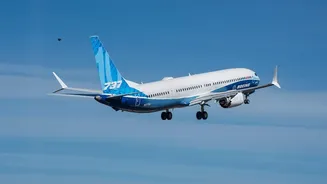
The certification on August 3, 2026, is a major milestone for Boeing, marking the end of one of the longest and most challenging approval processes in its recent history. The journey for the MAX 7, the smallest variant in the MAX family, began with its first
flight in March 2018. However, its path to service was complicated by the two fatal MAX 8 crashes in 2018 and 2019, which led to a worldwide grounding of the fleet and a complete overhaul of the FAA's certification procedures. This increased oversight, combined with new safety requirements and specific technical issues, extended the plane's development and review for years.
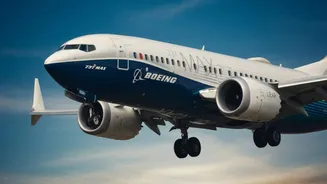
What is the 737 MAX 7?
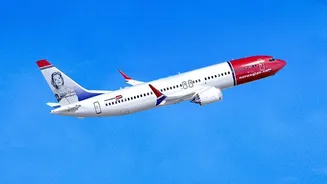
The 737-7 is the smallest member of Boeing's best-selling MAX family, designed as a modern replacement for the older 737-700 model. It typically seats between 135 and 160 passengers and is touted as the longest-range aircraft in the MAX series, capable of flying up to 3,800 nautical miles. This makes it particularly suitable for airlines operating from high-altitude or hot-climate airports. Like other MAX jets, Boeing highlights its efficiency, with a 20% reduction in fuel use and carbon emissions and a 50% smaller noise footprint compared to the planes it is designed to replace.
The Engine Anti-Ice Hurdle
A primary reason for the certification delay was a critical issue with the engine anti-ice system. Flight testing revealed that running the system for more than five minutes in dry air could cause parts of the engine inlet to overheat, potentially leading to structural failure. The issue was significant enough to affect not just the MAX 7 and the yet-to-be-certified MAX 10, but also the MAX 8 and 9 models already in service. Rather than grant a temporary waiver, the FAA mandated a full redesign. The final certification confirms that Boeing has implemented an approved fix for this system, providing pilots with better alerts and preventing the overheating condition.
A Big Win for Southwest Airlines
The FAA's approval is especially crucial for Southwest Airlines, the launch customer and by far the largest buyer of the MAX 7. The airline has built its entire fleet modernization strategy around the aircraft, intending to use it as a one-for-one replacement for its large fleet of aging 737-700s. Southwest has hundreds of MAX 7s on order, and the repeated delays forced it to keep older, less efficient planes in service longer than planned. While Boeing and Southwest are now preparing for the first delivery, it will not be immediate. Southwest has indicated it will need about six months after certification to integrate the new plane into its operations, with entry into passenger service expected in early 2027.
Intense Scrutiny and Future Outlook
The FAA has been clear that the approval for the MAX 7 came only after an exhaustive review that involved years of work and rigorous analysis of the plane's design. The agency performed direct reviews of flight controls, system safety, and human factors, demanding changes and additional testing where necessary. FAA safety inspectors will also remain on-site at Boeing facilities to monitor the manufacturing process and the company's safety culture. With the MAX 7 now certified, all eyes turn to the final member of the family, the larger 737 MAX 10. Boeing has completed flight testing for the MAX 10 and hopes to secure its certification soon, which would finally complete the entire 737 MAX family lineup.