





Understanding Vitamin A: Two Key Forms
Vitamin A isn't a single substance but a group of compounds essential for vision, immune function, and skin health. It comes in two primary forms found in our diet. The first is preformed vitamin A, known as retinol, which is found in animal products
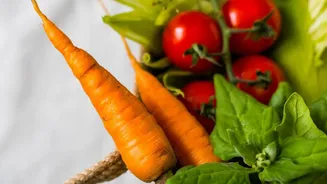
like liver, fish, eggs, and dairy. This form is 'active', meaning your body can use it as is. The second form is provitamin A carotenoids, which come from plant-based foods. These are precursors, or inactive forms, that the body needs to convert into retinol. The most common and well-known of these is beta-carotene, the pigment that gives many fruits and vegetables, like carrots, their vibrant orange colour.
What 'Precursor' Actually Means
Think of a precursor as the raw ingredients for a recipe. Your body is the chef. When you eat a carrot, you’re not consuming active vitamin A directly. Instead, you're ingesting beta-carotene. An enzyme in your intestines then converts this beta-carotene into the active retinol form of vitamin A that your body can use. This conversion process is a good thing; your body only converts what it needs, which reduces the risk of vitamin A toxicity that can come from over-consuming preformed vitamin A from supplements or certain animal products. So, when we talk about the vitamin A in carrots and spinach, we're really talking about their potential to become vitamin A.
The Case for Carrots
Carrots are famously rich in beta-carotene. A single medium-sized raw carrot can pack a significant punch, providing a substantial amount of this provitamin A. Because beta-carotene is fat-soluble, you can increase how much your body absorbs by eating carrots with a source of healthy fat, like olive oil, nuts, or avocado. Interestingly, cooking can also help. Lightly cooking carrots helps break down their tough cell walls, making the beta-carotene more available for your body to absorb and convert. One study found that the bioavailability of beta-carotene was higher from processed (cooked) carrots than from raw ones.
The Spinach Surprise
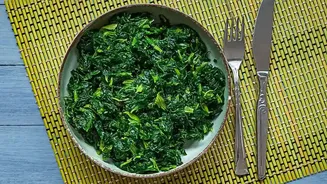
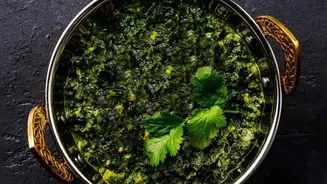
While carrots get the spotlight, spinach is another nutritional powerhouse for vitamin A precursors. Dark leafy greens like spinach are loaded with beta-carotene. In fact, a cup of cooked spinach can deliver over 100% of the recommended daily intake of vitamin A. Beyond beta-carotene, spinach also contains other important carotenoids like lutein and zeaxanthin, which are particularly beneficial for eye health, helping to protect against age-related conditions like macular degeneration. Spinach also boasts a wealth of other nutrients, including vitamin K, iron, folate, and magnesium, making it an incredibly nutrient-dense choice.
Carrots vs. Spinach: The Nutritional Verdict
So, which is better? On a gram-for-gram basis, raw carrots generally contain more beta-carotene than raw spinach. However, the body’s ability to convert beta-carotene into active vitamin A isn’t perfectly efficient and can vary. Studies have shown that the food matrix—the other components of the food—affects how well we absorb and convert these precursors. The conversion rate from carrots has been found to be slightly more efficient than from spinach in some studies. But this doesn't tell the whole story. Spinach provides a broader array of vitamins and minerals in high concentrations, including significantly more iron and vitamin K. Some people also have genetic variations that reduce their ability to convert beta-carotene to vitamin A, making it important to consume a variety of sources.