



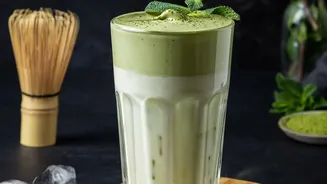
What Exactly Is a Dirty Matcha?
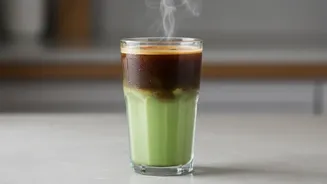
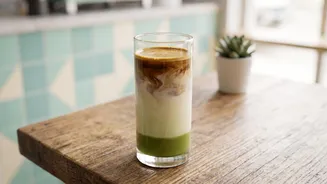
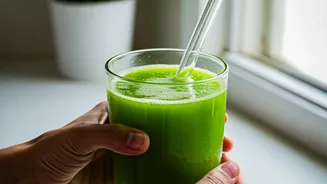
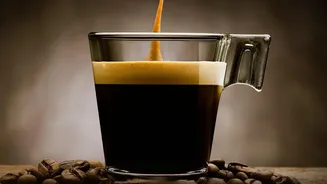
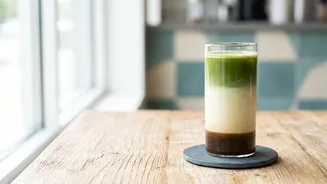
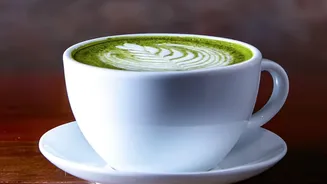
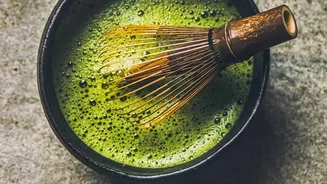
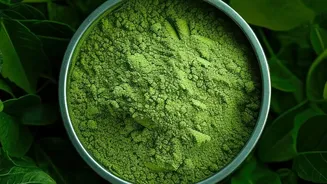
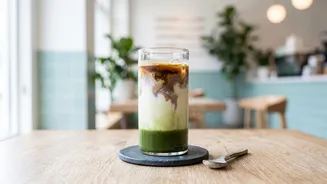
At its core, a dirty matcha is a simple yet potent hybrid drink. It starts with a standard matcha latte—finely ground green tea powder whisked into milk—and is then 'dirtied' with a shot of espresso poured over the top. The name comes from the visual
effect, as the dark coffee swirls through the vibrant green, creating an appealing, layered look perfect for Instagram. This drink is a modern cafe creation, blending the ancient Japanese tea tradition with global coffee culture. It promises the best of both worlds: the robust, roasted flavour of coffee and the smooth, vegetal notes of matcha.
Let's Talk About the Caffeine
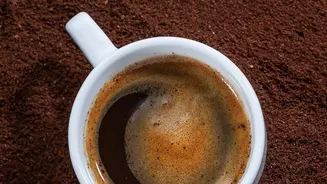
This is where careful attention is needed. A typical serving of matcha (about one teaspoon or two grams of powder) contains roughly 60-70 mg of caffeine. A single shot of espresso adds another 63 mg, on average. Together, a standard dirty matcha lands at approximately 120-150 mg of caffeine per cup. To put that in perspective, a regular 240 ml cup of brewed coffee contains about 95 mg of caffeine. This means a dirty matcha can be significantly more potent than a standard coffee. Some cafes may even use a double shot of espresso, pushing the caffeine content even higher.
The Allure of the 'Calm-Alert' Buzz
So why combine them? Fans of the drink report a unique energy boost that feels different from coffee alone. This is attributed to L-theanine, an amino acid found in high concentrations in matcha. L-theanine is known for promoting a sense of relaxation and focus without drowsiness. When paired with caffeine, it can help smooth out the jittery side effects that espresso can sometimes cause. The result is often described as a state of 'calm alertness'—a sustained, focused energy without the sharp spike and subsequent crash associated with a strong coffee. The caffeine from matcha is released more slowly, providing energy that can last for several hours.
When Does It Become Too Much?
While the combination sounds appealing, the high caffeine load isn't for everyone. Health authorities like the Indian Council of Medical Research (ICMR) and the US FDA suggest a daily caffeine limit of around 300-400 mg for most healthy adults. One dirty matcha can account for more than a third of that limit. Having two, or pairing one with other caffeinated products like soda or chocolate, could easily push you over the recommended daily intake. Excessive caffeine consumption can lead to unpleasant side effects like anxiety, nervousness, rapid heart rate, digestive issues, and disrupted sleep.
Know Your Personal Limits
It is crucial to remember that caffeine sensitivity varies greatly from person to person. Factors like body weight, genetics, regular caffeine habits, and even medications can influence how your body responds. What feels like a pleasant boost for one individual might cause heart palpitations and jitters in another. People with pre-existing heart conditions, high blood pressure, or anxiety disorders should be particularly cautious. The American Academy of Pediatrics also recommends that adolescents limit their intake to under 100 mg per day, making a dirty matcha a poor choice for younger consumers.
How to Enjoy It More Safely
If you're curious to try the dirty matcha trend without overdoing it, you have a few options. When ordering at a cafe, you can request a single shot of espresso instead of a double. You could also ask for less matcha powder to be used. An even better approach is to make it at home, where you have complete control over the ingredients. This allows you to measure both the matcha and the coffee to find a ratio that works for you. Another smart strategy is to treat it as an occasional indulgence rather than a daily go-to beverage. By being mindful of the ingredients, you can enjoy this unique flavour combination without derailing your well-being.