




The Soul of the Celebration
For centuries, folk songs, or 'geets', have been the lifeblood of Indian wedding ceremonies. These were not mere entertainment; they were living, breathing traditions passed down through generations. Sung primarily by the women of the family, these songs marked
every key ritual, from the Haldi ceremony to the emotional Vidai. In Punjab, playful 'Boliyan' would create a humorous battle of wits between the bride's and groom's families. In regions like Uttar Pradesh, 'gali' songs offered a rare, socially-sanctioned space for women to playfully abuse and tease the in-laws, turning societal hierarchies on their head. These geets were more than just melodies; they were stories, jokes, blessings, and a way of weaving the community together. They created an intimate, participatory atmosphere where everyone, from the oldest matriarch to the youngest cousin, had a role.
The Rise of the Playlist
The modern Indian wedding has a different soundtrack. The sangeet, once an intimate gathering of women singing traditional tunes, has transformed into a high-energy event with choreographed Bollywood dance numbers and a DJ playing popular hits. This shift is driven by a desire for convenience, variety, and the aspirational glamour of a polished, film-like celebration. A DJ can switch from a sentimental track to a dance anthem in seconds, catering to a wide range of tastes and keeping the energy high. For many families, especially in urban areas, this is simply more practical than organising live, traditional singing sessions. The rise of digital music and streaming platforms has made a vast library of songs accessible to everyone, pushing the spontaneous, community-led folk performance into the background.
What Gets Lost in the Mix
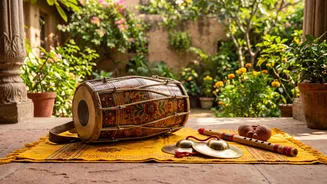
As the DJ's console replaces the circle of singing relatives, a certain cultural richness is fading. The shift from active participation to passive consumption is stark. Instead of a collective act of celebration, music becomes a performance to be watched. This has a direct impact on the livelihoods of traditional folk artists—the 'dholans' and 'mirasins'—who once travelled from village to village performing at weddings. Many now struggle for work, with their monthly bookings dwindling dramatically. Beyond the economic impact, there is a loss of regional diversity. Each region of India has its own unique wedding songs that tell the story of its local customs. When these are replaced by a standardised playlist of popular Bollywood tracks, a piece of that local identity is eroded. The songs themselves, which often served as a vehicle for oral history and social commentary, risk being forgotten.
Finding a New Harmony
The story isn't entirely one of loss, however. A growing awareness about this fading heritage is prompting a counter-movement. Many families are now seeking a blend of the old and the new. They might hire a DJ for the reception but arrange for a traditional folk singing session during the Haldi or Mehndi ceremonies. Some young brides and grooms are actively asking their elders to teach them the old songs, ensuring the melodies are passed on. The digital age, while a catalyst for the decline, is also offering a solution. Initiatives are underway to record and archive these folk songs, creating digital libraries for future generations. Platforms like YouTube and SoundCloud are becoming unexpected repositories, where forgotten wedding geets are finding a new audience.