





What Are These Fine Particles?
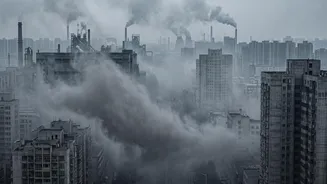
The main culprit is 'particulate matter 2.5' or PM2.5. These are microscopic particles, about 30 times smaller than the diameter of a human hair, originating from sources like vehicle exhaust, industrial emissions, construction dust, and crop burning.
Because of their minuscule size, they can bypass the body's natural defences. While larger particles might get trapped in the nose and throat, PM2.5 can travel deep into the lungs and even enter the bloodstream, causing widespread damage. The World Health Organization (WHO) has classified outdoor air pollution and PM2.5 as Group 1 carcinogens, meaning there is sufficient evidence they cause cancer in humans.
The New Science: How Pollution Sparks Cancer
For years, scientists knew pollution was a risk factor, but the exact mechanism was debated. The prevailing theory was that pollutants directly damaged DNA, causing mutations that lead to cancer. However, recent groundbreaking research has revealed a more subtle process. Scientists now believe that PM2.5 acts as a cancer 'promoter' rather than a direct cause of initial mutations. Many people have pre-existing, dormant mutations in their lung cells, such as the EGFR mutation, which are harmless on their own. When these individuals are exposed to high levels of PM2.5, the particles trigger a chronic inflammatory response in the lung tissue. This persistent inflammation can 'awaken' these dormant cells, causing them to proliferate uncontrollably and form a tumour.
The Rise of Cancer in Non-Smokers
This new understanding helps explain a deeply worrying trend in cities like Delhi: the increasing incidence of lung cancer among people who have never smoked. Doctors in India are reporting a significant rise in adenocarcinoma, a type of lung cancer often found in non-smokers, and it is increasingly affecting women and younger adults. In some Indian hospitals, never-smokers now account for up to 40% of lung cancer patients, a dramatic shift from previous decades when the disease was almost exclusively linked to tobacco use. While factors like indoor cooking fumes and secondhand smoke also play a role, the consistently high levels of ambient PM2.5 in urban centres are considered a major contributor to this risk.
Delhi's Alarming Air Quality
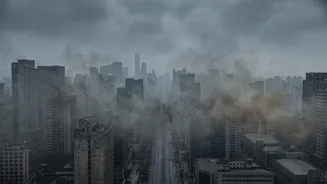
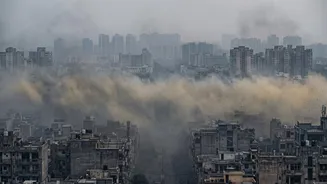
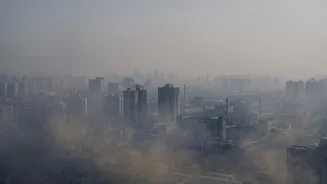
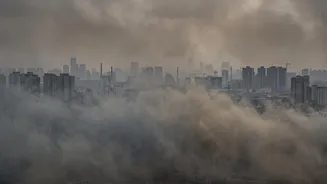
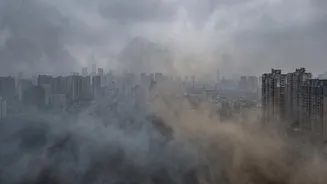
Delhi's air quality frequently ranks among the worst in the world, with PM2.5 levels often soaring far above the safety limits recommended by the WHO. The WHO's updated 2021 guideline states that annual average PM2.5 concentrations should not exceed 5 micrograms per cubic metre (µg/m³). In contrast, Delhi and other major Indian cities often record annual averages that are 10 to 20 times higher. This chronic, high-level exposure means the inflammatory processes that can promote cancer are constantly being triggered in the lungs of the population. Studies have shown that a sustained increase in PM2.5 exposure significantly elevates the risk of developing and dying from lung cancer.
What Does This Mean for You?
The evidence makes it clear that breathing polluted air is not just a nuisance; it is a significant, long-term health hazard. The link between PM2.5 and cancer risk shifts the conversation from seasonal discomfort to a year-round public health crisis. While individual actions like wearing N95 masks or using air purifiers can reduce personal exposure, experts agree that these are temporary fixes for a systemic problem. The fight for clean air requires robust policy changes, including stricter emission standards for vehicles and industries, a transition to cleaner energy sources, and sustainable solutions to agricultural burning. Understanding that air pollution is a carcinogen is the first step toward demanding the cleaner air that is fundamental to public health.