




The Quest for the Perfect Lychee
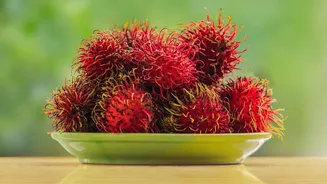
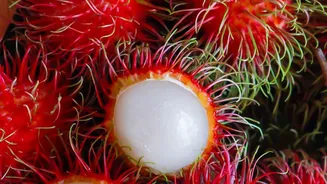
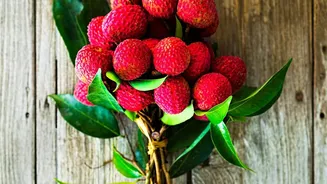
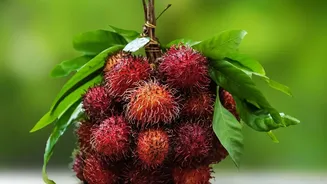
Lychees, with their bumpy red skin and translucent white flesh, are a true seasonal delight. Their unique flavour—often described as a mix of grape, pear, and rosewater—is at its peak when the fruit is perfectly fresh. The texture should be juicy and firm,
a delicate balance that is quickly lost as the fruit ages. Since lychees do not ripen after being picked, selecting the best ones from the start is crucial to enjoying them. An old or poorly chosen lychee can be sour, fermented, or have a mushy texture, a far cry from the fragrant, sweet burst of flavour a fresh one provides.
Mastering the Stem Test
The headline hint is a solid starting point for any aspiring lychee connoisseur: check the stem. While not a formal industry term, inspecting the point where the fruit was attached to its branch is a key indicator of freshness. Look for lychees that are still attached to a pliable, fresh-looking branch. If they are sold loose, examine the stem end of the individual fruit. A fresh lychee will have a clean-looking nub where it was picked. Be wary of a stem area that is dark, mouldy, or shrivelled. A distinct floral and sweet fragrance from the stem end is another excellent sign of a ripe, ready-to-eat fruit. If it smells sour, acidic, or alcoholic, the fruit is past its prime.
Judging a Lychee by Its Cover
Beyond the stem, the skin provides the most obvious clues. A fresh, ripe lychee should have a vibrant, bright red or pinkish-red shell. Some varieties may be more orange or even have yellow tones, but the key is a bright, uniform colour. Avoid lychees with dull, brown, or black patches, as this indicates they are overripe and beginning to spoil. The skin should be slightly bumpy and leathery but intact. Steer clear of any fruits with cracks, leaks, or soft, wet spots, as these are clear signs of decay.
The Touch and Feel Method
Once you've visually inspected the fruit, a gentle press can tell you the rest of the story. A perfect lychee should feel firm but yield slightly to gentle pressure, much like a ripe grape. It should feel plump and heavy for its size, which suggests it’s full of juice. If the fruit is rock-hard, it’s likely under-ripe and will taste more astringent. On the other hand, if it feels overly soft, mushy, or your finger leaves a deep indent, the fruit is overripe and the flesh has started to break down. A dry, brittle-feeling skin is another red flag, suggesting the fruit has been sitting for too long and has lost its moisture and sweetness.
Storing Your Bounty Correctly
Once you bring home your carefully selected lychees, proper storage is essential to maintain their freshness. If you plan to eat them within a day or two, they can be kept at room temperature. For longer storage of up to a week, the best method is to place them in a perforated plastic bag in the refrigerator. This helps maintain humidity without trapping excess moisture, which can lead to mould. The skin may still turn slightly brown in the cold air, but this often doesn't affect the flavour of the flesh inside. For long-term storage, you can peel, de-seed, and freeze lychees in an airtight container for several months.