







Copenhagen, Denmark: The Pioneer of Perks
The Danish capital is leading the charge with a groundbreaking initiative called CopenPay. The concept is simple and brilliant: travellers who make green choices earn credits for cultural experiences. Arrive at a museum on a bicycle or show a public transport
ticket, and you might get free entry. Participate in a canal cleanup and you could be rewarded with a complimentary kayak rental or a meal. The program, which started as a pilot in 2024 and expanded significantly in 2025, turns sustainable actions into a city-wide currency. It successfully gamifies eco-consciousness, making it fun for visitors to reduce their footprint while exploring attractions like The National Museum or even skiing down the city’s unique waste-to-energy plant.
Berlin, Germany: The Creative Hub Goes Green
Following Copenhagen's success, the famously creative and progressive city of Berlin has announced it will roll out its own eco-rewards initiative. While the exact details are still being polished, the framework is expected to be similar: incentivise visitors to embrace the city’s excellent public transport, explore its vast green spaces responsibly, and engage in other sustainable behaviours. For a city already known for its strong environmental ethos and vibrant, alternative culture, a reward system for green tourism is a natural next step. It promises to deepen the connection between travellers and the city’s forward-thinking identity.
Helsinki, Finland: The Sustainable Capital
Helsinki has consistently been ranked as one of the world's most sustainable tourism destinations, making its decision to adopt a rewards program a logical evolution. The Finnish capital is already deeply invested in regenerative tourism—an approach that aims to leave the city better than before. By tracking the carbon footprint of tourism and implementing a climate roadmap, Helsinki has laid the groundwork for a system that can effectively reward visitors for participating in its vision. Future travellers can expect perks for choosing saunas that use greener energy, dining at restaurants that prioritise local produce, or using the city’s efficient public transit network.
Bremen, Germany: A Historic City's Modern Twist
The third city inspired by Copenhagen's model is the charming port city of Bremen in northern Germany. Known for its fairy-tale-like old town and rich maritime history, Bremen is proving that even historic destinations can innovate in the sustainable travel space. By planning its own rewards system, the city is signalling a commitment to managing tourism in a way that protects its heritage while embracing modern values. Travellers exploring the famous Schnoor Quarter or the UNESCO World Heritage town hall may soon be able to earn rewards for their low-impact choices, blending the past and future of tourism seamlessly.
Palau: The Pledge That Protects Paradise
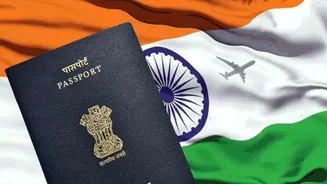
Not all rewards are free museum tickets. In the stunning Pacific island nation of Palau, the reward is the continued existence of paradise itself. Upon arrival, every visitor must sign the 'Palau Pledge'—a promise to the children of Palau to preserve their beautiful home. The pledge, which is stamped into visitors' passports, asks them to tread lightly, respect local culture, and not take things that don't belong to them. While this isn't a transactional reward, it’s a powerful and pioneering model. It reframes the tourist as a guardian rather than a consumer, and the reward is the profound experience of visiting one of the world's most pristine marine ecosystems, knowing you've promised to help keep it that way.
Your Hotel, Almost Anywhere
The most widespread reward for saving energy is likely waiting right in your hotel room. Major hotel chains like IHG, Hyatt, and Marriott have long-standing programs that offer incentives for guests who opt out of daily housekeeping. By choosing to reuse towels and linens for a few days, you're not just saving water and energy; you're often earning bonus loyalty points, a voucher for the hotel bar, or a discount on food. This directly addresses the idea of saving energy in the evening and overnight. It’s a simple, effective way for any traveller to make a small difference and get a little something back, no matter what city they're in. All you usually have to do is hang a sign on your door or inform the front desk.