




Beyond the Brochure: The New Definition of Travel
Not long ago, a foreign holiday meant choosing from a pre-set menu: seven days, five European cities, with fixed hotel stays and whirlwind bus tours. Today, that model is being replaced by something far more personal. Custom travel is no longer a niche
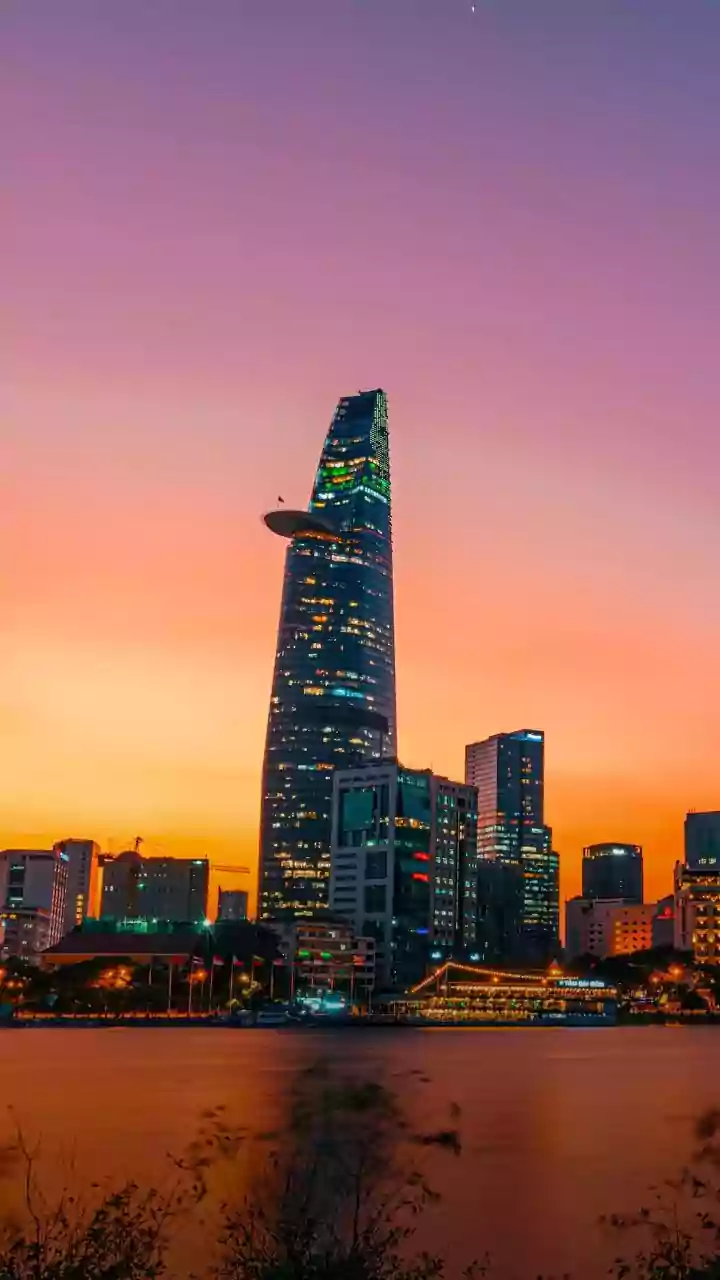
luxury but a mainstream demand. Indian travellers are increasingly seeking holidays built around their specific interests, schedules, and comfort levels. This means trading checklist tourism for deeper, more immersive experiences. Instead of rushing through sights, they prefer spending quality time in one or two locations, whether it's exploring the food scene of Vietnam or attending a wellness retreat in Rishikesh. The focus has shifted from the destination itself to the experience it offers, turning travel into a form of self-expression.
The Drivers of a Revolution
Several factors are fuelling this demand for flexibility. Rising disposable incomes and a growing, digitally-savvy middle class are empowering travellers to demand more than the standard offering. Social media provides endless inspiration, showcasing unique activities and offbeat locations that spark a desire for one-of-a-kind journeys. Furthermore, the post-pandemic mindset has played a crucial role. Having experienced lockdowns and travel restrictions, people now place a higher value on meaningful experiences and creating lasting memories with loved ones. Safety and the desire to avoid crowded tourist hotspots have also become significant priorities, pushing travellers towards more controlled and personalised itineraries. According to industry reports, this has led to a new standard of 'ultra-personalisation' where journeys are designed to cater to specific wellness and lifestyle needs.
What a Flexible Holiday Looks Like
So, what does this new freedom look like in practice? It varies widely, which is precisely the point. For some, it's about theme-based holidays, such as photography trips, adventure travel, or culinary tours dedicated to exploring local cuisine. For others, it’s about 'slow travel'—renting a villa for a week and living like a local rather than hopping between hotels. Event-based travel is another fast-growing segment, with millennials and Gen Z planning trips around concerts, cultural festivals, and major sporting events. Multi-generational travel is also booming, but with a modern twist. Entire families, from grandparents to grandchildren, are embarking on trips together, demanding itineraries that cater to a wide range of ages and interests. A new subset, 'skip-gen' travel, where grandparents take their grandchildren on holiday without the parents, is also becoming increasingly popular in India.
Technology and a Changing Industry
The travel industry has been quick to respond and adapt. Technology is a key enabler of this customisation. AI-powered planning tools, advanced search filters, and online platforms now allow travellers to bundle flights, unique accommodations like homestays, and specific activities into a single, seamless booking. Travel companies are moving away from rigid packages and towards offering flexible building blocks that customers can assemble to their liking. This approach is supported by evolving traveller preferences for alternative accommodations like guesthouses, apartments, and villas, which offer more privacy and flexibility than traditional hotels. Tour operators are also offering more curated experiences, from securing access to exclusive events to hiring 'Instagram concierges' to help capture the perfect shot, with reports showing many travellers are willing to pay a premium for such personalised services.