





A YouTuber's Viral Complaint
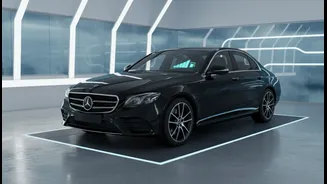
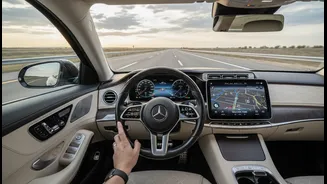
In a recent vlog, Sourav Joshi, a YouTuber with over 41 million subscribers, shared his frustration over his Mercedes-Benz GLC SUV. He claimed its fuel efficiency had plummeted from around 17 kmpl to a shocking 5 kmpl within just 48 hours. Pointing to the
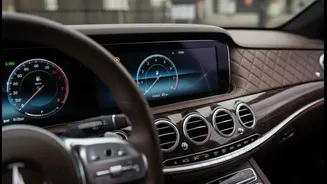
dashboard display in his video, Joshi squarely blamed the ethanol-blended petrol now common across India. “This is what has happened because of ethanol,” he said, adding that he was now scared to refuel his car, fearing potential engine damage. The clip went viral, tapping into a growing anxiety among Indian vehicle owners about the new E20 fuel.
Mercedes-Benz India Responds
As the video gained traction, Mercedes-Benz India issued a formal clarification. While not mentioning Joshi by name, the company released a “Customer Advisory” on social media addressing the concerns. The statement affirmed that “All Mercedes-Benz petrol BS VI vehicles are materially compatible with E20 fuel and certified accordingly by relevant authorities.” The German automaker emphasized its commitment to customer safety and vehicle reliability, essentially stating that its modern vehicles are built to handle the new fuel standard without any issues. This put the company's technical certification directly against the vlogger's real-world experience.
Explainer: What is E20 and BS VI?
At the heart of this dispute are two technical terms: E20 and BS VI. E20 is petrol blended with 20% ethanol, a biofuel the Indian government is promoting to reduce import dependency and lower emissions. Bharat Stage VI (BS VI) is an emission standard. Since April 2023, India has followed BS VI Phase 2 norms, which are even stricter and mandate that all new vehicles be compatible with E20 fuel. This is a crucial detail: any new car, especially a luxury model like a Mercedes sold after this date, is required by law to be engineered to run smoothly on ethanol-blended petrol.
So, What Caused the Mileage Drop?
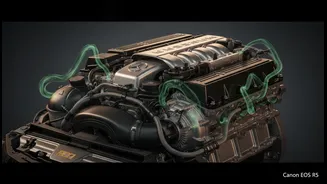
If a brand new, E20-certified car isn't supposed to have problems, what explains Joshi's experience? While a slight drop in mileage is expected with ethanol-blended fuel because it has a lower energy density than pure petrol, a plunge from 17 kmpl to 5 kmpl is considered extreme and unlikely to be caused by E20 alone. Automotive experts point to several other potential factors: driving conditions, real-time mileage display fluctuations, vehicle maintenance, and, importantly, the quality of the specific batch of fuel. In a follow-up, Joshi stated that a visit to the service center revealed an “engine issue,” and he subsequently edited the E20 claims out of his original video.
What This Means for the Average Car Owner
The Sourav Joshi-Mercedes saga became a high-profile proxy for a question millions of Indians are asking: is E20 petrol safe for my car? The answer is clear for newer vehicles. If your car is BS VI Phase 2 compliant (generally sold after April 2023), it was built for E20. Manufacturers have designed fuel lines, seals, and engine components to handle the blend. For older vehicles (BS4 or early BS6 models), the situation is more complex, and sustained use of E20 could potentially accelerate wear on parts not designed for it. However, the dramatic failure Joshi initially described appears unrelated to the standard, government-mandated fuel and more likely due to a specific vehicle fault or fuel contamination.