



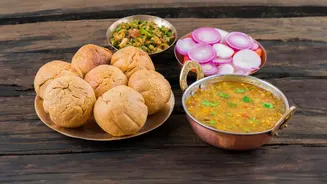
A Return to Culinary Roots
There's a growing movement across India to reconnect with culinary traditions. Driven by a blend of nostalgia, a search for authentic identity, and an increasing focus on wellness, consumers are looking past processed options and towards the foods that
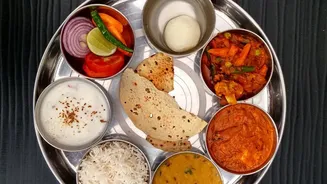
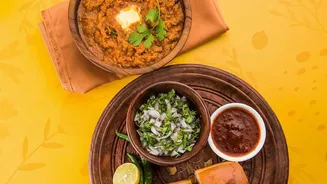
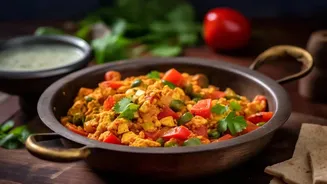
have nourished generations. This isn't just about reviving old recipes; it's about understanding their value in today's context. Ancient grains, regional specialties, and slow-cooked preparations are being celebrated for their rich flavours and nutritional benefits. Five-star hotels are curating 'Lost Recipes of India' menus, while urban restaurants are gaining acclaim by focusing on hyper-regional dishes. This trend reflects a collective desire for food that is not only tasty but also meaningful and rooted in a rich cultural history.
Convenience Without Compromise
One of the biggest drivers of this revival is convenience. In the past, many traditional meals were abandoned because of the long hours they required. Today, a new wave of food brands is closing that gap. The ready-to-eat market in India is booming, projected to grow significantly as urban populations swell. Startups are using modern food technologies like freeze-drying to create high-quality, pre-made meals that retain their authentic taste and texture. You can now find everything from ready-to-cook biryani kits and millet dosa mixes to authentic regional curries in shelf-stable pouches. These products offer a practical solution for busy professionals and nuclear families who crave the comfort of home-cooked food without spending hours in the kitchen.
The Rise of the Creative Cook
Alongside convenience, a surge in creative cooking is breathing new life into traditional foods. Chefs and home cooks alike are experimenting with classic recipes, giving them a modern twist. This might involve using global techniques, creating fusion dishes, or simply presenting a familiar meal in a new way. Think of a Dahi Bhalla reimagined as a savoury pastry, a dosa with an avocado filling, or butter chicken flavours finding their way into a lasagna. This innovative spirit shows that traditional cuisine is not static but a living tradition that can evolve. It encourages a playful and personal approach to cooking, where heritage ingredients are the building blocks for exciting new culinary experiences.
Health and Heritage on a Plate
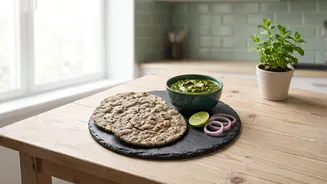
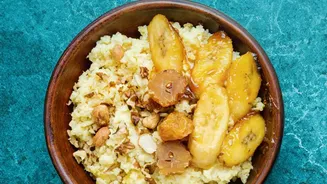
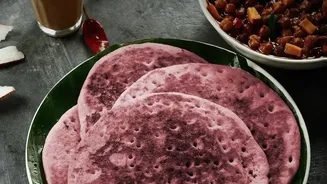
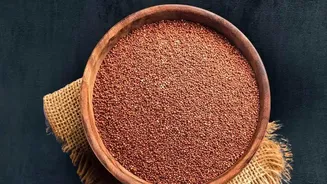
The wellness movement has played a significant role in this culinary renaissance. Ancient Indian grains, particularly millets like ragi, jowar, and bajra, are being hailed as superfoods. Naturally gluten-free and packed with fibre, protein, and essential minerals like calcium and iron, millets offer a host of health benefits. They support digestion, help manage blood sugar levels, and promote heart health. As consumers become more health-conscious, they are swapping refined grains for these nutritious alternatives. This shift is not just a diet trend but a return to a more balanced and sustainable way of eating that was known to our ancestors for centuries.