



The Heart of India's Satellite Program
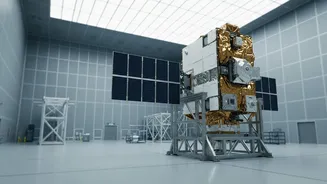
The U R Rao Satellite Centre (URSC) in Bengaluru is not just another government office; it is the nerve centre for India's satellite aspirations. For decades, this facility has been responsible for designing, developing, and integrating the nation's satellites.
From communication and weather forecasting to remote sensing and navigation, the spacecraft built here are fundamental to India's infrastructure, security, and scientific progress. The centre was instrumental in landmark missions like Chandrayaan and Mangalyaan, cementing its reputation as a pillar of ISRO's success. Therefore, any disruption at URSC is a matter of national importance, touching everything from strategic capabilities to everyday services.
Unpacking the Reported Exits
In recent months, a notable number of scientists and engineers have reportedly resigned or taken voluntary retirement from ISRO. While the Department of Space has not released official figures, multiple sources within the agency have indicated that between 100 and 120 personnel have departed. The U R Rao Satellite Centre appears to be the most affected, with reports suggesting around 80 exits from this facility alone. Another 20 are said to have left the Vikram Sarabhai Space Centre (VSSC) in Thiruvananthapuram, which is critical for rocket development. The departing personnel reportedly include senior and high-profile scientists, raising concerns about the loss of invaluable experience and institutional knowledge.
The Pull of the Private Sector
A primary driver behind this exodus is the explosive growth of India's private space industry. Since the sector was opened to private participation in 2020, over 400 space-tech startups have emerged, attracting significant investment. Companies like Skyroot Aerospace, Agnikul Cosmos, and Pixxel are aggressively recruiting experienced talent, and ISRO veterans are their prime targets. These private firms offer significantly higher salaries—sometimes two to three times the government pay scale—along with stock options, faster career growth, and leadership roles early in one's career. For many scientists, the appeal also lies in a more agile work environment, free from the bureaucratic hurdles often associated with public sector organisations.
A Brain Drain or a Healthy Ecosystem?
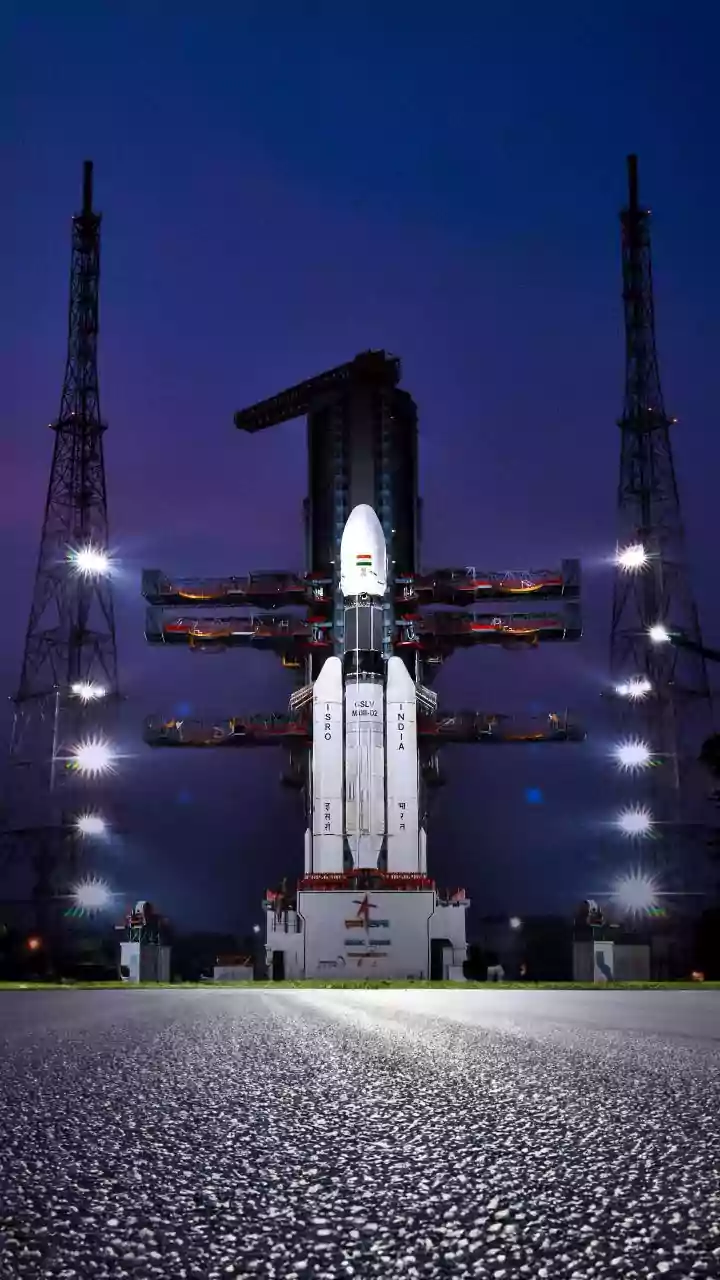
While the term 'brain drain' evokes images of talent leaving the country, this situation is more nuanced. The scientists are not moving abroad; they are joining a burgeoning domestic industry. This shift is seen by some as a sign of a maturing space ecosystem, where expertise built within ISRO is now helping to fuel a new wave of innovation across the private sector. However, the concentration of these exits in critical centres and projects is causing alarm. The departures are happening when ISRO is already facing a workforce shortage and is juggling ambitious future missions like Gaganyaan (India's first human spaceflight), Chandrayaan-4, and a planned space station. The loss of experienced hands on such complex projects is a significant concern.
The Official Response
The government has taken notice. In a memorandum dated July 14, 2026, the Department of Space (DoS) directed ISRO centres to tighten the rules for resignations and voluntary retirements. The directive, which reverses a 2020 policy, means that centre directors can no longer routinely approve the exits of scientists involved in important national missions like Gaganyaan. All such requests must now be forwarded to the DoS for a final decision. While officials have publicly downplayed the issue as a normal part of organisational churn, the policy change itself is a clear acknowledgement of the problem. It signals a serious effort to prevent the talent outflow from disrupting projects of national importance.