



The Science of the Sponge
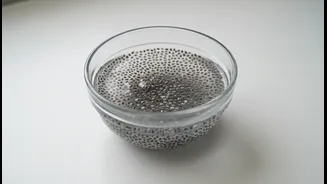
What makes chia seeds so special is their hydrophilic nature. When exposed to liquid, these tiny seeds can absorb up to 12 times their own weight, and in some cases, even more. This transformation is thanks to a soluble fibre that forms a gelatinous coating,
or mucilage, around the seed. This gel is what gives chia pudding its distinctive texture and makes the seeds a popular thickening agent in recipes. Within minutes of being added to water, milk, or juice, the seeds begin to swell, creating that familiar tapioca-like consistency. This process is not just a culinary trick; it's central to both the health benefits and potential risks of consuming them.
Why This Absorbency Is a Health Win
The gel-forming property of chia seeds is a major reason they are considered a superfood. When you eat properly soaked chia seeds, they help you stay hydrated by retaining water. This gel also promotes a feeling of fullness, or satiety, which can help manage appetite and support weight management goals. The high fibre content, which includes about 5 grams per tablespoon, slows down digestion. This gradual process helps stabilize blood sugar levels and can contribute to better heart health by trapping and removing excess cholesterol from the digestive tract. Furthermore, the fibre aids in regular bowel movements, acting as an "internal shower" that keeps your digestive system running smoothly.
The Risks of Getting It Wrong
The same property that makes chia seeds beneficial can become dangerous if they are consumed improperly. Eating dry chia seeds, especially followed by a glass of water, can pose a serious choking hazard. The seeds can expand rapidly in the confined space of the esophagus before reaching the stomach, potentially forming a thick, dense plug that causes an obstruction. There have been documented medical emergencies where individuals required endoscopic procedures to remove a mass of swollen chia seeds from their throat. People with a history of swallowing difficulties (dysphagia) or esophageal strictures are at a particularly high risk and should be extremely cautious. Even if they don't cause an immediate blockage, consuming large amounts of dry chia without sufficient fluid can lead to digestive discomfort, bloating, and constipation as the seeds absorb water from your system.
Your Guide to Safe Consumption
Enjoying chia seeds safely is simple once you know the rules. The most important step is to allow them to soak and fully expand in liquid before you eat them. A good rule of thumb is to mix one part chia seeds with at least six parts liquid, though many pudding recipes use a ratio of about one-quarter cup of seeds to one cup of liquid. Let them sit for at least 15-20 minutes, but for the best texture, soak them for a few hours or overnight in the refrigerator. In terms of portion size, most health experts recommend starting with one tablespoon per day and not exceeding two to three tablespoons (about 15-30 grams) daily. This amount provides significant nutritional benefits without overloading your digestive system with fibre. If you do sprinkle a small amount of dry seeds on something moist like yogurt or a salad, be sure to drink plenty of fluids alongside your meal.
Easy Ways to Add Chia to Your Diet
Incorporating soaked chia seeds into your daily routine is easy and versatile, as they have a neutral flavour that blends with almost anything. Start your day by stirring a tablespoon into your oatmeal (after cooking) or yogurt. Blend them into smoothies for a thicker consistency and a nutrient boost. Prepare a large batch of chia gel (seeds soaked in water) and keep it in the fridge for up to a week to easily add to soups, sauces, or dressings. Of course, classic chia pudding is a simple and delicious option for breakfast or a healthy dessert. You can even use a mixture of ground chia seeds and water as an effective egg substitute in baking.