

The Challenge of a Cosmic Pantry
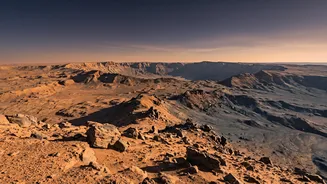
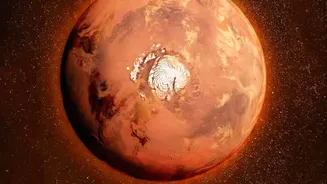
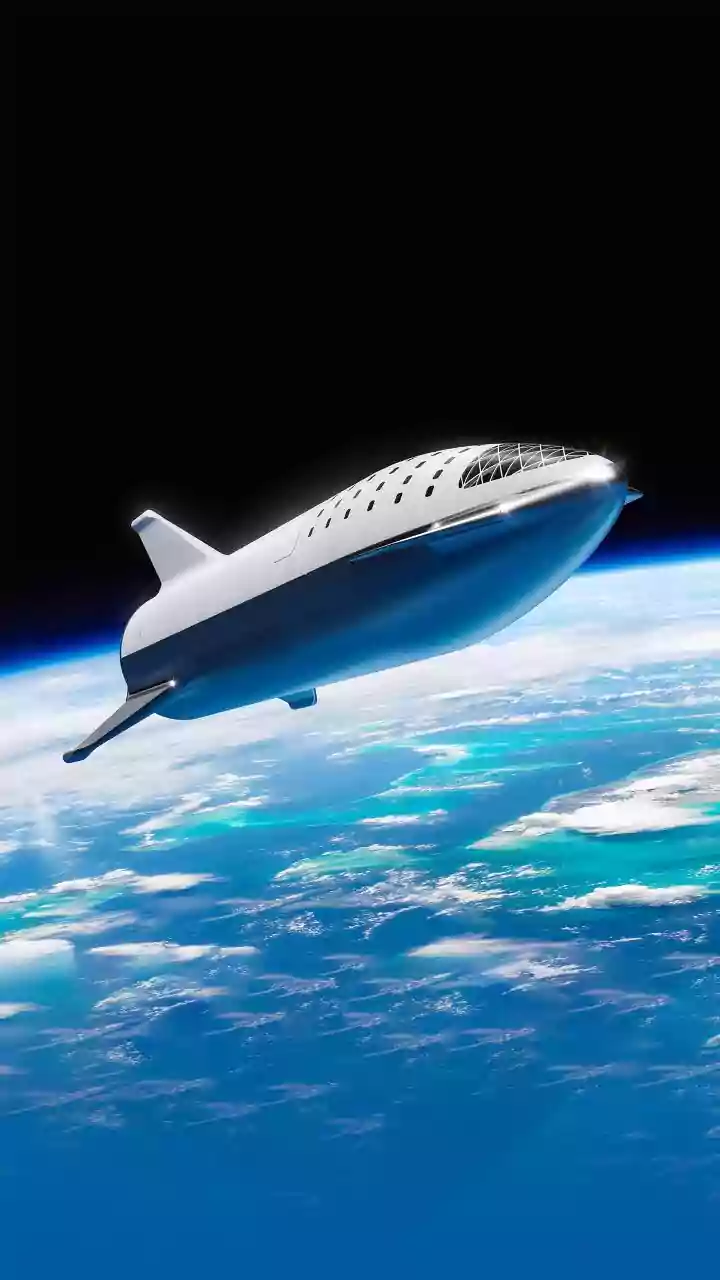
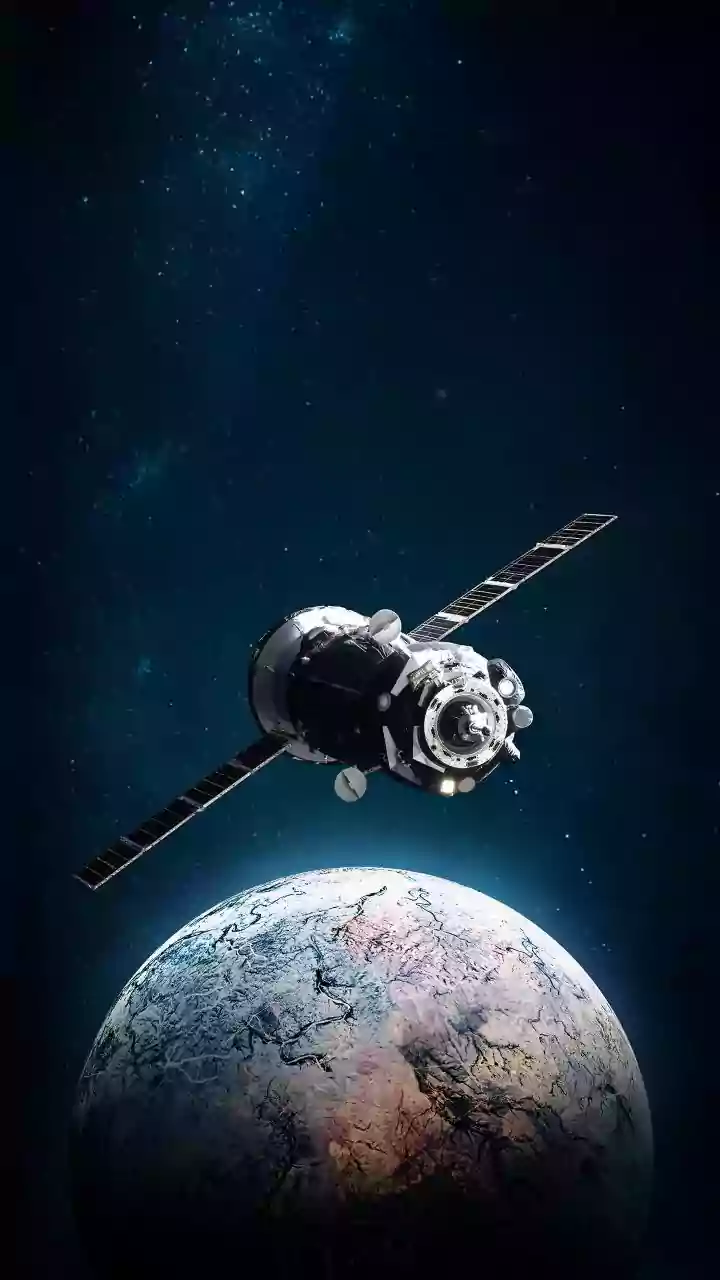
For any long-duration mission, such as a multi-year trip to Mars, relying solely on pre-packaged meals is simply not feasible. The sheer mass of food required would be enormous, taking up precious space and adding prohibitive weight to the spacecraft.
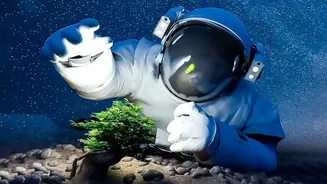
A sustainable, regenerating food source is essential, not just for nutrition but also for the psychological well-being of the crew. Having fresh produce provides vital micronutrients that can degrade in packaged food over time, and the act of gardening itself can be a morale booster in the isolated environment of deep space. This makes a 'space garden' a critical component of future exploration, enabling missions to be more self-sufficient.
Radiation's Invisible Assault
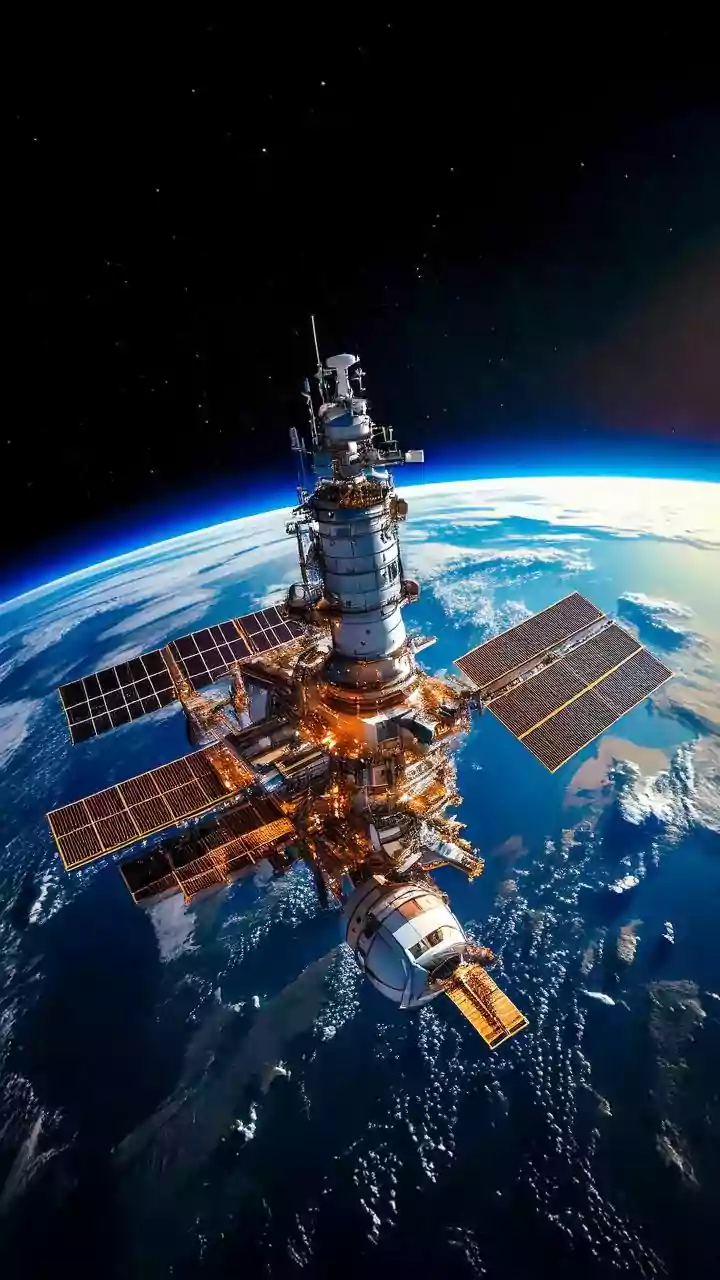
Outside the protection of Earth's magnetic field, space is saturated with galactic cosmic rays (GCR) and solar particle events (SPEs). This high-energy radiation, composed of protons and heavy atomic nuclei, bombards everything in its path. While seeds are surprisingly resilient—far more so than animal cells—this constant barrage can cause significant damage. The radiation can directly harm cellular structures and DNA, leading to a host of problems. Experiments conducted outside the International Space Station (ISS) have shown that seeds directly exposed to the full force of space, including UV radiation, have drastically reduced germination rates, with some studies showing survival as low as 3%.
What Happens to the Seeds?
The primary concern is the impact on seed viability and quality. Radiation can damage the genetic code within the seed, which may not prevent germination entirely but can lead to developmental abnormalities in the resulting plant. Even if a plant grows, it might not be healthy or produce nutritious food. Some studies show that while space-exposed seeds can still sprout, they exhibit signs of ageing and reduced vigor. For instance, research on rocket seeds kept aboard the ISS showed they had delayed seedling establishment compared to their Earth-bound counterparts. The central hypothesis for many NASA experiments is that long-term exposure will have detrimental effects on germination and plant development, a critical knowledge gap that must be filled before we can rely on these crops.
The Search for Solutions
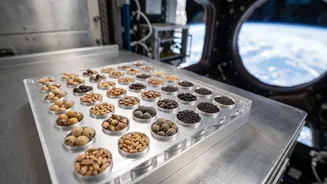
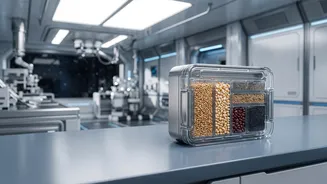
Scientists are actively tackling this problem through various experiments, many of them on the ISS itself. Missions like NASA's MISSE-Seed and RAD-SEED experiments are designed to systematically study the long-term effects of space exposure on a variety of crop seeds, including lettuce, tomato, and peppers. One approach is developing better shielding for seed storage containers to physically block radiation. Another avenue is biological. Researchers are studying the natural defenses of seeds, such as chemicals in their coats that act like sunscreen, and looking for plants that are naturally more resistant to radiation. There is also potential in genetic engineering to bolster a seed's natural DNA repair mechanisms or enhance its protective qualities, ensuring our future space farmers have a reliable harvest millions of miles from home.