







The Silent Toll of Prolonged Sitting
The phrase "sitting is the new smoking" might sound dramatic, but a growing body of research suggests the comparison has merit. Spending eight or more hours a day in a chair is linked to a host of serious health conditions that go far beyond simple backaches.
When we sit for extended periods, our body's systems slow down. Research shows prolonged sitting is associated with conditions like heart disease, Type 2 diabetes, and obesity. It can lead to poor circulation, especially in the legs, and can impact how our bodies regulate blood sugar, blood pressure, and cholesterol. In fact, some studies have found that excessive sedentary time poses risks similar to those from obesity and smoking, potentially increasing the risk of premature death from cardiovascular disease and even certain cancers.
More Than Just Bad Posture
While neck strain and lower back pain are the most immediate and recognizable consequences of a desk-bound job, the damage is more than skin deep. When you sit for hours, key muscle groups are disengaged. Your hip flexors tighten while your glute and core muscles weaken from inactivity, a combination that can lead to muscle atrophy, reduced mobility, and chronic pain. This inactivity doesn't just affect muscles and joints; it has metabolic consequences. Movement helps muscles release molecules that process fats and sugars. When we're still, this process is impaired, which can contribute to weight gain, particularly the accumulation of visceral fat around vital organs. There's even a link between a highly sedentary lifestyle and mental well-being, with some research connecting it to higher risks of anxiety and depression.
Enter Desk Yoga: A Targeted Fix
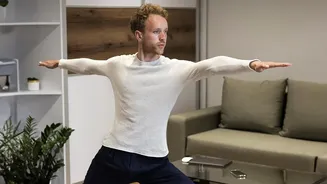
One of the solutions gaining popularity is desk yoga, a practice specifically adapted for the office environment. This isn't about rolling out a mat by the water cooler; it's about using your chair and desk for support to perform targeted stretches and poses. These movements are designed to counteract the specific strains of sitting, such as tight shoulders, a compressed spine, and wrist tension from typing. Simple exercises like seated cat-cow stretches, torso twists, and neck rolls can be done without leaving your chair, providing immediate relief from stiffness. Proponents find that even a few minutes of desk yoga can improve posture, reduce tension, and boost focus and concentration throughout the day. It acts as a form of energetic hygiene, using breath and gentle movement to reset both body and mind.
The Power of 'Movement Snacks'
The other key strategy in the fight against sedentary work is the concept of frequent, short movement breaks, often called "movement snacks." The philosophy is simple: while a 30-minute workout is great, it may not be enough to undo the damage of sitting for the other 23.5 hours of the day. Instead, integrating small bursts of activity every 30 to 60 minutes can make a significant difference. These 'snacks' can be anything from a two-minute walk around the office to a set of chair squats, desk push-ups, or simply standing during a phone call. Research suggests these micro-breaks improve circulation, boost oxygen flow to the brain, and help counteract the negative metabolic effects of sitting. They don't require special equipment or a lot of time, making them an accessible way to break the cycle of stillness.
A Shift in Workplace Wellness Culture
The focus on desk yoga and movement breaks reflects a broader shift in how we think about health at work. Companies and employees alike are recognizing that wellness isn't just about offering a gym membership; it's about creating an environment that encourages activity throughout the day. This trend has been accelerated by the rise of hybrid and remote work, which often blurs the lines between the desk and the couch, potentially increasing sedentary time. As a result, many organizations are actively promoting everything from standing desks and walking meetings to formal movement break policies. It's an acknowledgement that a healthy, energized, and focused workforce is also a more productive one, and that starts with getting people out of their chairs.