




Embrace the Right Wash Cycle
The foundation of a great shaggy lob is not over-washing it. Cleansing your hair too often can strip it of natural oils, causing it to become flat and lifeless, which is the enemy of a textured cut. Aim to wash your hair two to three times a week. On
off-days, a good dry shampoo will be your best friend. When you do wash, opt for sulfate-free shampoos and conditioners formulated for textured hair to keep your locks healthy and maintain moisture balance. A deep conditioning treatment every couple of weeks can also prevent dryness and keep your layers looking distinct.
Master Your Product Lineup
For a shaggy lob, texture is everything, and the right products are non-negotiable. A sea salt or texturizing spray is essential for creating that lived-in, piecey look. Spritz it on damp hair for air-drying or on dry hair to revive volume. Dry shampoo is another hero product, not just for absorbing oil but for adding grit and lift at the roots. For defining specific layers and taming flyaways without adding weight, a small amount of styling cream, light pomade, or dry wax can be worked through the ends.
Perfect the Art of Air-Drying
One of the best things about a shaggy lob is its ability to look great with minimal heat. This cut is made for air-drying. After washing and gently towel-drying, apply a texturizing spray or mousse and scrunch your hair to encourage its natural wave and movement. For more defined texture, you can create a few loose braids and let them air-dry. This technique helps shape the hair into soft bends, enhancing the cut's silhouette and making it look intentional rather than unkempt. The goal is to enhance what you have, not force it into a perfectly coiffed style.
Use Heat Styling Strategically
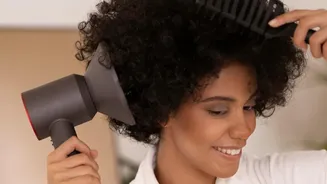
When you do use heat, do it with a purpose. You aren't aiming for uniform curls but rather for enhancing a few key pieces to bring the style back to life. Use a curling wand or a flat iron to add a bend to just a few face-framing layers and random sections throughout your hair. This quick touch-up can redefine the shape of your cut in minutes. Always use a heat protectant spray to prevent damage, which can make layers look frizzy and undefined. The idea is to refresh, not completely restyle.
Know When (and When Not) to Trim
As your lob grows out, it’s tempting to want to snip away at it yourself. While a professional trim every six to eight weeks is ideal for maintaining the shape, you can perform very minor maintenance at home. However, this comes with a major caution: do not attempt to recut your layers. Doing so often makes the problem worse. Instead, focus only on what you can confidently clean up, like stray neckline hairs or overgrown bangs, if you have them. For everything else, it's best to wait for your stylist, who can properly reshape the cut without losing its structure.
Accessorize to Disguise Awkward Stages
Some days, your hair just won't cooperate, especially during the later weeks of a grow-out phase. This is where accessories become a powerful tool. A well-placed claw clip, a chic headband, or a couple of minimalist pins can help manage unruly sections while making your style look deliberate. A half-up style is particularly effective for dealing with layers that have become too long, as it pulls the shorter top sections back while leaving the length down. Treating accessories as a styling choice rather than a last resort can elevate your look instantly.