
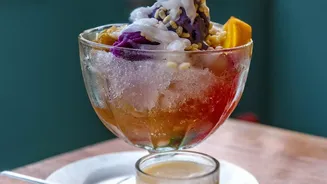
From Ritual to Refreshment
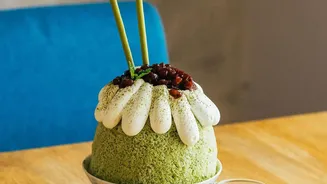
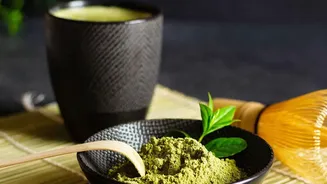
Before they were global hashtags, matcha and ube were local treasures with deep cultural roots. Matcha, a finely ground powder of specially grown and processed green tea leaves, has been central to Japanese tea ceremonies for centuries. Originating in China,
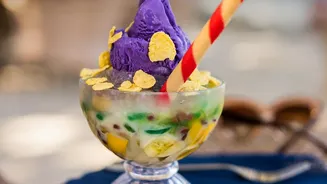
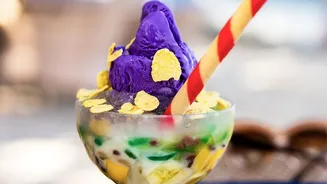
the practice was refined in Japan by Zen Buddhist monks, who used the tea to remain calm and focused during meditation. It was a ritual, a symbol of mindfulness and respect. Thousands of kilometres away, ube, a naturally vibrant purple yam, was a staple in the Philippines for over 400 years. With a subtly sweet, nutty, and almost vanilla-like flavour, it was a beloved ingredient in traditional desserts, most notably 'ube halaya' (a sweet jam), and a cornerstone of family celebrations. For generations, these ingredients were part of a specific cultural heritage, largely unknown to the wider world.
The All-Important 'Gateway' Drink
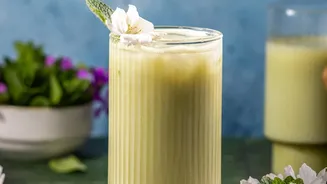
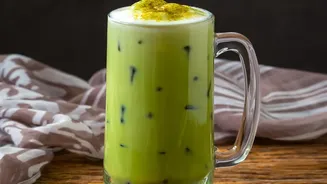
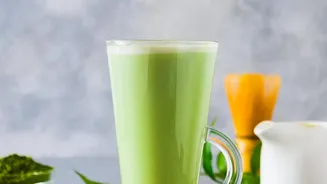
So how does a flavour travel from a Japanese monastery or a Filipino kitchen to a cafe in your city? The journey often begins with a 'gateway' drink. The latte, with its familiar combination of milk and a base flavour, is the perfect vehicle. The matcha latte provided a less intense, sweeter introduction to the tea's unique umami flavour, making it accessible to a global palate. Similarly, the ube latte transformed the Filipino yam into a photogenic, easy-to-drink format. These drinks act as a bridge, introducing a new taste within a comfortable and popular format. They are approachable, visually appealing, and easily shared, setting the stage for the next phase of the trend lifecycle.
The Social Media Catalyst
This is where the trend ignites. The striking colours—the serene green of matcha and the vivid purple of ube—are made for the visual world of Instagram and TikTok. A beautiful latte or a colourful dessert is not just food; it's content. Influencers and food bloggers share posts that rack up hundreds of thousands of views, turning a niche cafe item into a viral sensation. In India, platforms like Instagram have become the new search engine for foodies, with urban consumers turning to reels and tagged posts to decide where to eat next. A dish's aesthetic appeal can create overnight demand, proving that in today's digital age, we often eat with our eyes first.
The Leap Beyond the Cup
Once a flavour is a certified hit in drink form, it's ready to conquer the entire menu. This is the 'proliferation' stage, where the flavour moves beyond the cup and becomes a versatile ingredient. Chefs and food companies, seeing the demand, begin to experiment. Suddenly, matcha isn't just for lattes; it's in cheesecakes, croissants, ice cream, and even savoury noodles. Ube follows the same path, finding its way into doughnuts, crinkle cookies, and Basque cheesecakes. This expansion solidifies the flavour's mainstream status, moving it from a trendy drink to a staple flavour profile that consumers actively seek out in various forms.
Landing in the Indian Kitchen
This global journey has now firmly arrived in India. Major coffee chains and local cafes in cities like Bengaluru, Mumbai, Delhi, and Vadodara are adding matcha and ube to their menus. Brands like Third Wave Coffee have integrated these trendy flavours into their beverage lineup. Posts on social media show cafes in Delhi launching the 'Ube era' and spots in Bengaluru debating whether ube is 'better than matcha'. This local adoption is critical. It signals that the trend has successfully embedded itself into a new market, often with unique twists that cater to local palates. The presence of ube and matcha in cafes from Andheri to JP Nagar is a testament to how seamlessly global food trends now integrate into India's vibrant and dynamic food scene.