


In the epic Ramayana, few figures are as formidable as Ravana. But the King of Lanka was not born with that name. The story of how he earned it is a tale of immense power, arrogance, and a fateful encounter that would define his very being.
The King Before the Name
Before he was
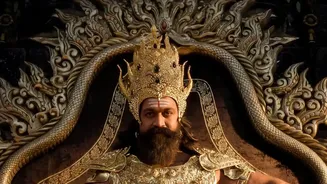
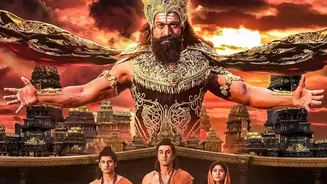
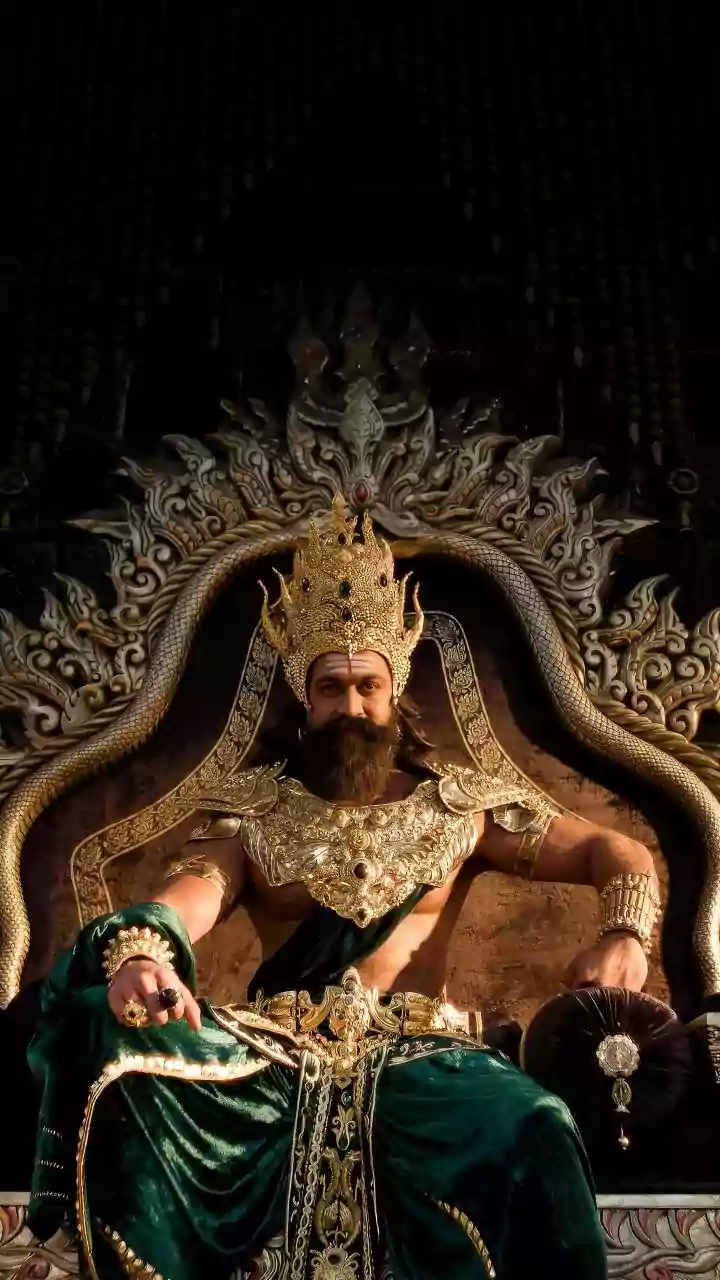
the antagonist of one of history's greatest epics, he was known by a different name: Dashagriva or Dashanana. Born to the sage Vishrava and the rakshasa princess Kaikasi, his birth name literally translates to 'the one with ten heads' or 'ten necks'. This name wasn't just a physical descriptor; it symbolised his profound knowledge, as he was said to have mastered the four Vedas and six Shastras, making him one of the most learned scholars of his time. He was a maestro of the veena, a capable ruler, and a figure of immense intellectual prowess. This identity as a great scholar and the grandson of the sage Pulastya is crucial to understanding the man before he became the legend.
A Test of Arrogance and Power
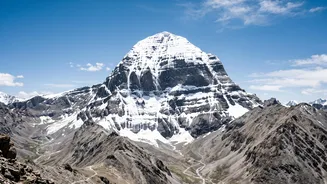
The most widely told story of his renaming is a dramatic display of both his hubris and his might. After defeating his half-brother Kubera and seizing his flying chariot, the Pushpaka Vimana, Dashagriva's journey was halted by Mount Kailash, the sacred abode of Lord Shiva. Unable to fly over it, he was confronted by Shiva's attendant, Nandi, who informed him that no one could pass as Shiva and Parvati were resting. Mocking Nandi, an enraged Dashagriva decided to do the unthinkable: he would uproot the entire mountain. Placing his twenty arms beneath the colossal peak, he began to lift it, causing the mountain to tremble and terrifying even the gods.
The Cry That Named a King
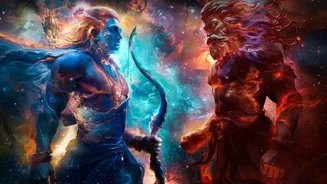
This act of supreme arrogance was met with divine force. Annoyed by the disturbance, Lord Shiva simply pressed down on the mountain with his big toe, trapping Dashagriva's arms underneath. The immense pressure crushed his hands, and in unbearable agony, he let out a scream so powerful it was said to have shaken the three worlds. This terrifying cry, or 'rava' in Sanskrit, is what earned him his new name. Pleased by his sheer power and ferocity, yet having humbled him, Shiva named him 'Ravana' — 'he of the terrifying roar' or 'the one who cried loudly'. The name, therefore, became an eternal reminder of this moment of cosmic confrontation.
A Name of Devotion?
However, the story doesn't end with just a scream of pain. It transforms into a tale of profound devotion. Trapped under Mount Kailash for a thousand years, Ravana began to sing hymns in praise of Shiva to earn his freedom. In a popular version of the tale, he even tears off one of his heads and uses his own tendons as strings to fashion a rudimentary veena, composing the powerful hymn known as the Shiva Tandava Stotram. This act of ultimate penance pleased Shiva immensely. The god not only released him but also granted him an invincible sword, cementing Ravana's status as one of his greatest devotees. Thus, the name 'Ravana' simultaneously encapsulates his world-shaking cry of agony and his deep, unwavering devotion to Shiva.
Echoes in Other Tellings
While the Kailash story is the most prevalent, other interpretations and versions add further layers. Some scholars suggest the name could be a Sanskritised form of the Tamil word 'Iraivan', meaning 'lord' or 'king', framing it as a title rather than a name born from an event. The Jain versions of the Ramayana offer a completely different origin for his ten heads, stating that as a child, his mother gave him a necklace of nine pearls that reflected his face ninefold, leading to the name Dashamukha (ten-faced). These varied retellings highlight the fluid nature of mythology, where a single name can hold multiple histories, each reflecting the cultural and philosophical priorities of the storyteller. From a terrifying roar to a kingly title, the name Ravana remains as complex as the character himself.