


The Appeal of a Potion
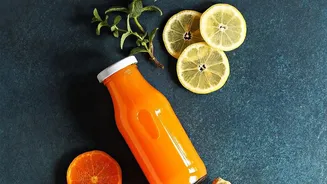
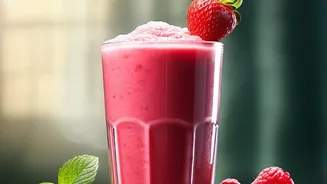
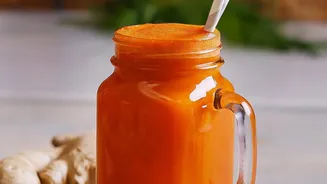
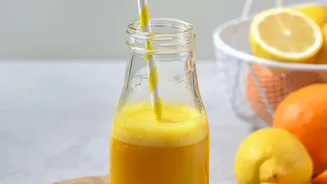
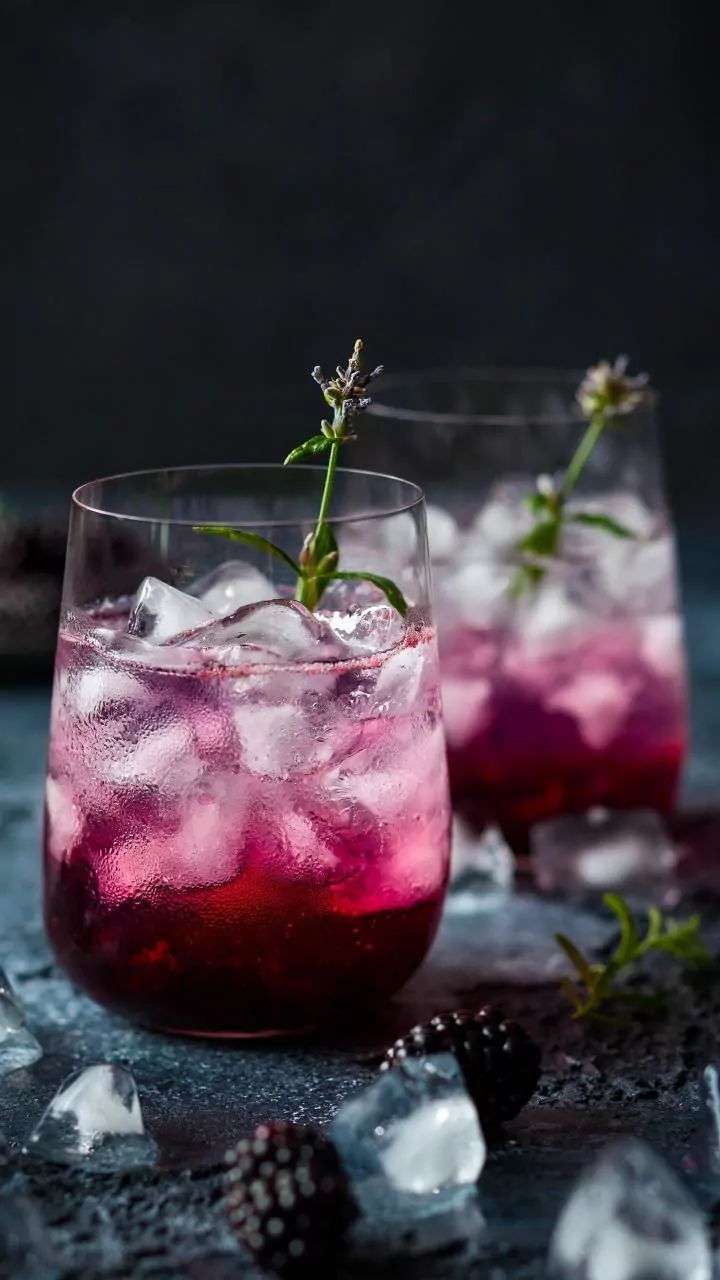
Scroll through any social media feed and you'll see them: jewel-toned elixirs in sleek bottles, promoted by influencers as the secret to effortless beauty. These drinks are designed to be photogenic, tapping into our desire for a quick, simple solution
to complex concerns like skin ageing, hair thinning, and brittle nails. Brands often highlight natural-sounding ingredients and antioxidant properties, making their products seem like a healthy, self-care ritual. The promise is seductive—that you can drink your way to radiance. This visual appeal and promise of an internal beauty boost are powerful marketing tools, but the real story is on the nutrition label.
The Hidden Sugar Problem
One of the biggest issues with many commercially available wellness drinks is their surprisingly high sugar content. Some popular 'health' and beauty beverages contain as much, if not more, sugar than a can of cola. One analysis found that some green juices pack over 50 grams of sugar per bottle. Health authorities recommend adults consume no more than 30 grams of free sugars per day. This liquid sugar, often from fruit concentrates, hits your bloodstream rapidly and can ironically work against your skin health goals. Excess sugar contributes to a process called glycation, where sugar molecules attach to proteins like collagen and elastin, making them stiff and leading to premature ageing and wrinkles. Looking for drinks with less than 8 grams of sugar is a good rule of thumb.
Rethinking the Caffeine Kick
Caffeine is another common ingredient, added to provide an energy boost that consumers might associate with feeling revitalised. While moderate caffeine intake (up to 400 milligrams daily for most adults) can enhance alertness, it's not a direct 'beauty' ingredient. High doses can lead to anxiety, restlessness, and an increased heart rate. It's also a diuretic, meaning it can cause your body to lose water, which is counterproductive when aiming for hydrated, plump skin. If a beauty drink contains a high level of caffeine, it may be functioning more like an energy drink, and its effects on your sleep and hydration should be considered.
Decoding the Active Ingredients
The real 'beauty' components are the supplements intended to work from within. The most common are collagen, hyaluronic acid, and biotin. Collagen is a protein that provides structure to your skin. As we age, production slows. Several studies suggest that consuming hydrolyzed collagen peptides can improve skin hydration, elasticity, and reduce wrinkles, although many of these studies are small. When you consume collagen, your body breaks it down into amino acids, which are building blocks for protein—but there's no guarantee they will be used to build collagen in your skin specifically. Hyaluronic Acid (HA) is a moisture-retaining molecule naturally found in the skin. Like collagen, its levels deplete with age. Research suggests oral HA supplements can increase skin moisture and improve elasticity, with results often seen after several weeks of consistent use. Biotin (Vitamin B7) is essential for processing fats and proteins and supports scalp and hair health. However, dermatologists note that biotin deficiency is rare, and supplementing is only useful if you are deficient. In fact, taking high doses unnecessarily can interfere with certain lab tests.
An Expert's Perspective
What do dermatologists and nutritionists say? The consensus is mixed but cautious. Many experts agree that the foundation of healthy skin, hair, and nails is a balanced diet, proper hydration, sun protection, and a good topical skincare routine. While some studies on ingredients like collagen and hyaluronic acid are promising, they are often small or funded by the companies that make the supplements. Dermatologists warn that the supplement industry is not tightly regulated, meaning efficacy and purity can be inconsistent. It's important to weigh the potential benefits against the risks and consult a board-certified dermatologist before starting any new supplement regimen.
How to Make a Smarter Choice
If you decide to try beauty drinks, being a savvy consumer is key. First, read the ingredient list carefully and check the nutrition panel. Prioritise products low in sugar and free from unnecessary additives or artificial colouring. Next, look at the dosage of the active ingredients. For collagen, many studies showing benefits use doses of several grams, whereas some ready-to-drink beverages may contain much smaller, potentially ineffective amounts. Look for evidence of third-party testing to ensure the product's purity and potency. Finally, remember that these drinks are supplements, not replacements for a healthy lifestyle. True radiance comes from a holistic approach to wellness, not just a single product.