




The Age of Itinerary Burnout
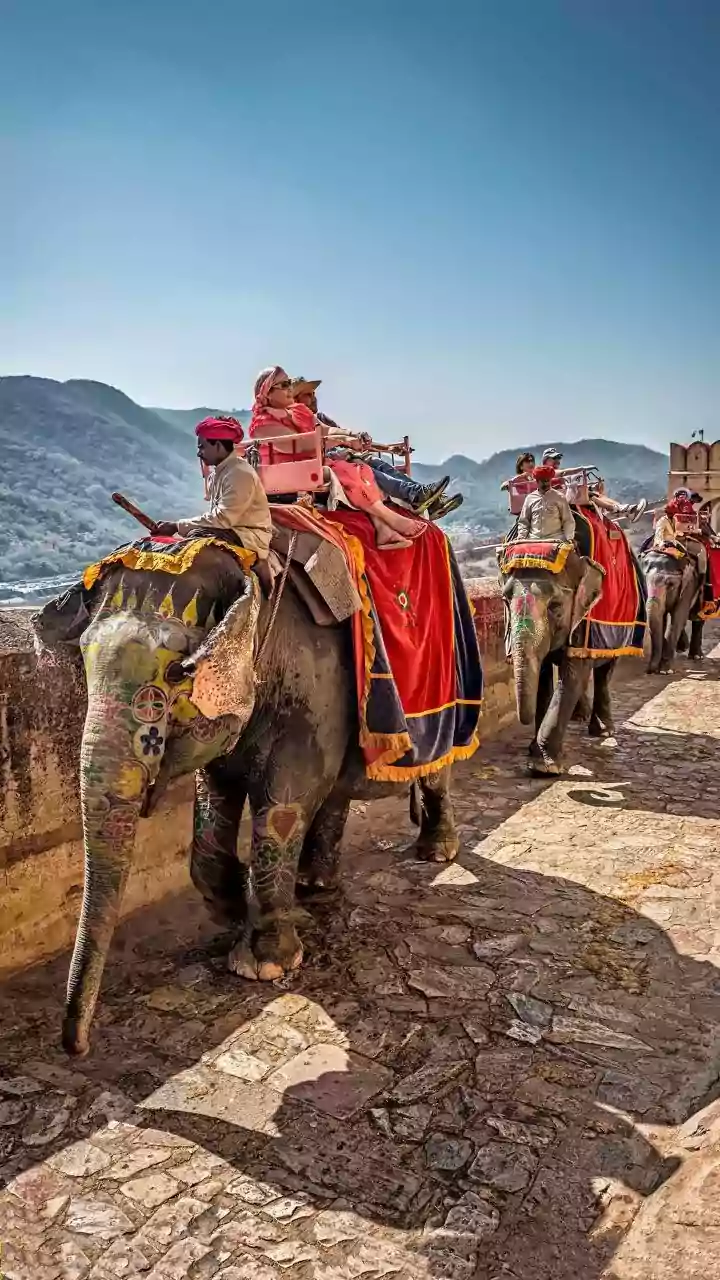
For years, the marker of a 'successful' Indian holiday was often quantity over quality. It was the seven-day, six-city tour; the mad dash between monuments; the pre-dawn starts and late-night arrivals. This whirlwind approach, designed to extract maximum
value by ticking off as many sights as possible, often left travellers more drained than restored. The initial post-pandemic wave of "revenge travel" only amplified this, as people rushed to make up for lost time. However, the resulting travel fatigue has led to a major shift in mindset. A Thrillophilia travel index from early 2026 revealed a clear trend: travellers are consciously choosing simpler trips. The report noted a 24% decline in multi-city tours with four or more stops, while over-packed schedules fell by 17%. It seems the collective experience of burnout has extended to how Indians view their leisure time.
Why Slow Is the New Fast
The move toward slower, better-paced travel is driven by a convergence of powerful social and cultural shifts. Chief among them is a heightened focus on wellness and mental health. Travellers are now looking for holidays that offer a genuine escape from the structured pressures of daily life, prioritising rest and unstructured time. This is compounded by the normalisation of remote and hybrid work. With millions of Indians no longer tethered to a physical office, the line between work, life, and travel has blurred. This has given rise to 'workations' and 'bleisure' trips, where professionals can work from a serene location without eating into their annual leave, allowing for longer, more relaxed stays. Furthermore, there's a growing desire for authenticity. Younger travellers in particular, especially Gen Z, are driving the demand for immersive and meaningful journeys over conventional sightseeing. They seek cultural engagement, community interaction, and unique local experiences—things that a packed itinerary simply cannot provide.
What 'Better-Paced' Travel Looks Like
So, what does this new approach look like in practice? It's about depth over distance. Instead of a whirlwind tour of Rajasthan, it might mean spending a full week exploring Udaipur and its surrounding villages, leaving ample time for unplanned discoveries. A 2026 report from Booking.com highlighted that 71% of Indian travellers now intentionally extend their trips to have more time to rest and properly enjoy a destination. This translates to choosing a single-base itinerary with leisurely day excursions, a format that saw a 36% year-on-year increase. It means swapping a checklist of monuments for a cooking class with a local family, learning a traditional craft, or simply spending an afternoon at a cafe. This 'anti-itinerary' approach allows for spontaneity and the joy of discovery, whether it’s finding a hidden trail on a whim or extending a stay in a town that captures your heart.
The Rise of Niche Destinations
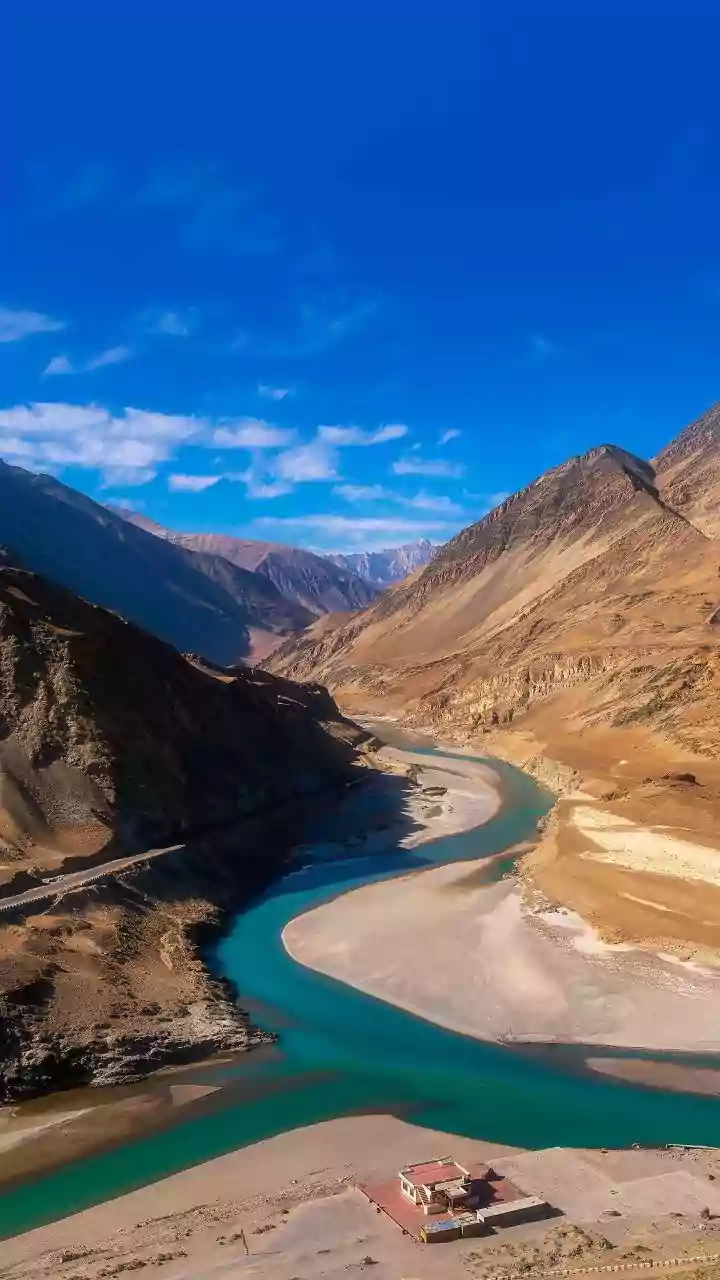
This preference for slower, more meaningful travel is reshaping India's tourism map. While major hubs remain popular, travellers are increasingly venturing off the beaten path in search of tranquility and unique culture. According to Skyscanner data for 2026, flight searches to Jorhat, a tea town in Assam, surged by a staggering 493%, signalling a massive interest in quiet, immersive destinations. Places like the Tirthan Valley in Himachal Pradesh, the backwaters of Kerala, the French Quarter of Pondicherry, and the serene island of Majuli are gaining immense popularity. This shift is a boon for local economies in these less-frequented areas, as travellers stay longer and engage more deeply with the community. The travel industry has been quick to adapt, with tour companies and hotels now offering curated slow travel packages, wellness retreats, and highly customised itineraries that cater to this evolving demand for peace of mind over a low price point.