



Why Moisture Is The Enemy Of Freshness
That heavy, wet feeling in the air during monsoon is due to high humidity. While some humidity helps keep vegetables crisp, excessive moisture creates a harmful environment. Vegetables are mostly water and they naturally release moisture into the air through
a process called transpiration. When the air is already saturated with water, this process slows down dramatically. Instead of releasing moisture, the vegetables can trap it on their surface. This excess dampness creates the perfect breeding ground for mould, fungus, and bacteria, accelerating spoilage. This can lead to biochemical changes that reduce nutritional value and affect the texture, making produce less appealing and shortening its shelf life significantly.
Vulnerable Vegetables: What to Watch For
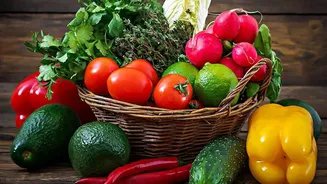
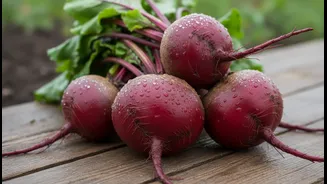
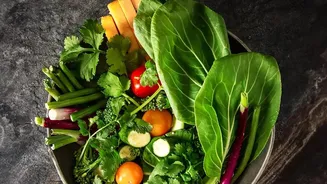
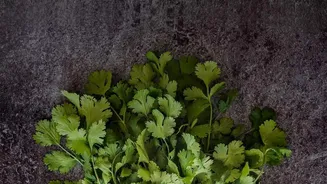
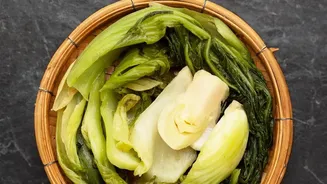
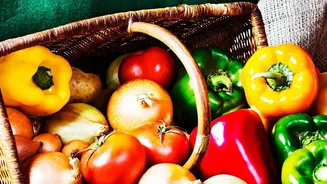
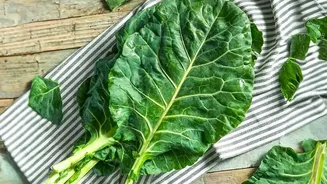
Not all vegetables suffer equally. Leafy greens like spinach, cabbage, and lettuce are particularly vulnerable because their large surface area and crevices easily trap moisture, making them prone to bacterial growth. Cruciferous vegetables such as cauliflower and broccoli can also be problematic, as moisture gets trapped in their florets. Soft-skinned produce like tomatoes, cucumbers, and gourds (lauki, turai) can become mushy or develop soft spots quickly. While root vegetables are generally hardier, excess moisture in the soil can make them watery and more susceptible to spoilage once harvested. It's wise to be extra cautious with these items during the rainiest months.
Your Monsoon Market Shopping Guide
Becoming a smarter shopper is your best defense. Firstly, avoid buying vegetables in large quantities; instead, opt for smaller batches more frequently to ensure you're always using fresh produce. When inspecting vegetables, look for a firm texture and bright, natural colour. Avoid anything with visible signs of decay, such as dark spots, mould, or a slimy feel. For leafy greens, check for crisp leaves rather than wilted or yellowing ones. Gently press gourds and other vegetables to ensure they are firm, not soft or waterlogged. It’s also a good practice to shop at reputable vendors who keep their produce clean and protected from the rain. Finally, try to shop earlier in the day when the produce is likely to be at its freshest.
Smarter Storage for a Longer Shelf Life
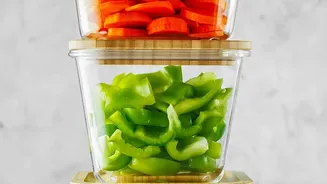
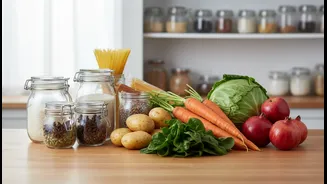
How you store your vegetables at home is just as important as how you buy them. A common mistake is washing produce as soon as you get home. During the monsoon, it's better to wash vegetables right before you cook them to avoid adding extra moisture. If your greens are damp, pat them dry with a paper towel before storage. Storing them wrapped in paper towels or in breathable bags can help absorb excess moisture and allow for air circulation. Store different types of vegetables separately to prevent the spread of spoilage and odour transfer. For instance, don't store potatoes with apples, as the ethylene gas from apples can cause the potatoes to sprout. Keeping your refrigerator well-organised and not over-packed also helps improve air circulation, which is key to maintaining freshness.