


The Science of Sizzle vs. Steam
The main culprit behind mushy vegetables is excess water. When vegetables are frozen, the water inside them forms ice crystals that rupture their cellular structure. This means that when they cook, they release a lot of moisture. If your pan isn't hot
enough, this moisture pools and essentially steams the vegetables, leading to a soft, waterlogged texture. However, a properly heated pan allows that water to evaporate almost instantly. This clears the way for a magical process called the Maillard reaction to occur. This is a chemical reaction between amino acids and sugars in the food, which begins at high temperatures (around 140°C or 285°F). It's responsible for the delicious browning and complex, savoury flavours you get on toasted bread, seared meat, and, yes, perfectly cooked vegetables. By using high heat, you are choosing flavourful browning over bland steaming.
Mastering the Hot Pan Method
Achieving that perfect brown crust is straightforward if you follow a few key steps. First, choose a large pan or skillet; a cast-iron or heavy-bottomed stainless steel pan works wonderfully as they retain heat well. Place the pan over medium-high to high heat and let it get properly hot before you add anything. Add a thin layer of a high-heat oil, like avocado or even a light olive oil. Once the oil is shimmering, add the frozen vegetables directly from the freezer. Do not thaw them first, as this will only introduce more moisture and lead to sogginess. The vegetables should sizzle immediately upon hitting the pan. This is the sound of success, indicating the water is evaporating quickly. Let them cook for a few minutes without stirring to allow a crust to form on one side before tossing.
Crucial Mistakes to Avoid
The most common error is overcrowding the pan. If you pile the vegetables on top of each other, they will trap steam and you'll be back to square one. Cook in batches if necessary, ensuring the vegetables are in a single layer with some space between them. This gives the moisture room to escape and allows each piece to make direct contact with the hot surface. Another mistake is adding salt too early. Salt draws out water, which is counterproductive when you're trying to achieve a dry, hot environment for browning. It's best to season the vegetables with salt and any sauces toward the end of the cooking process, once they have already started to brown. Finally, resist the urge to stir constantly. Letting the vegetables rest on the hot pan undisturbed for a few minutes is essential for developing that coveted caramelised crust.
Applying the Principle to Oven Roasting
The same logic of high, dry heat applies beautifully to oven roasting. For this method, preheat your oven to a high temperature, around 220-230°C (425-450°F). Crucially, place your empty baking sheet in the oven while it preheats. Tossing the frozen vegetables in oil and then spreading them in a single layer on the screaming-hot pan will give them a head start on browning and crisping. Just like with pan-frying, avoid overcrowding the sheet pan and don't thaw the vegetables beforehand. Roast for 15-20 minutes, flip them, and continue roasting until they are tender with browned, crispy edges. This technique is fantastic for heartier frozen vegetables like broccoli, cauliflower, carrots, and Brussels sprouts.
Best Vegetables for the Job
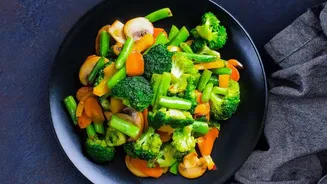
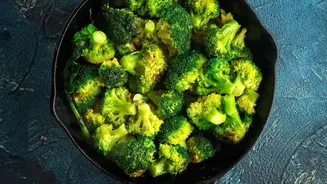
While this technique improves almost any frozen vegetable, some are better suited for browning than others. Corn, peas, green beans, bell peppers, broccoli florets, and cauliflower florets all perform exceptionally well. Their size and structure allow them to cook through while their surfaces caramelise. Root vegetables like carrots or butternut squash chunks also roast nicely, though they may require a slightly longer cooking time. Vegetables with a very high water content or delicate structure, like frozen spinach or zucchini, can still be cooked this way but are less likely to become truly crispy. Regardless of the vegetable, cooking directly from frozen using high heat is the single best way to transform them from a mushy afterthought into a delicious highlight of your meal.