



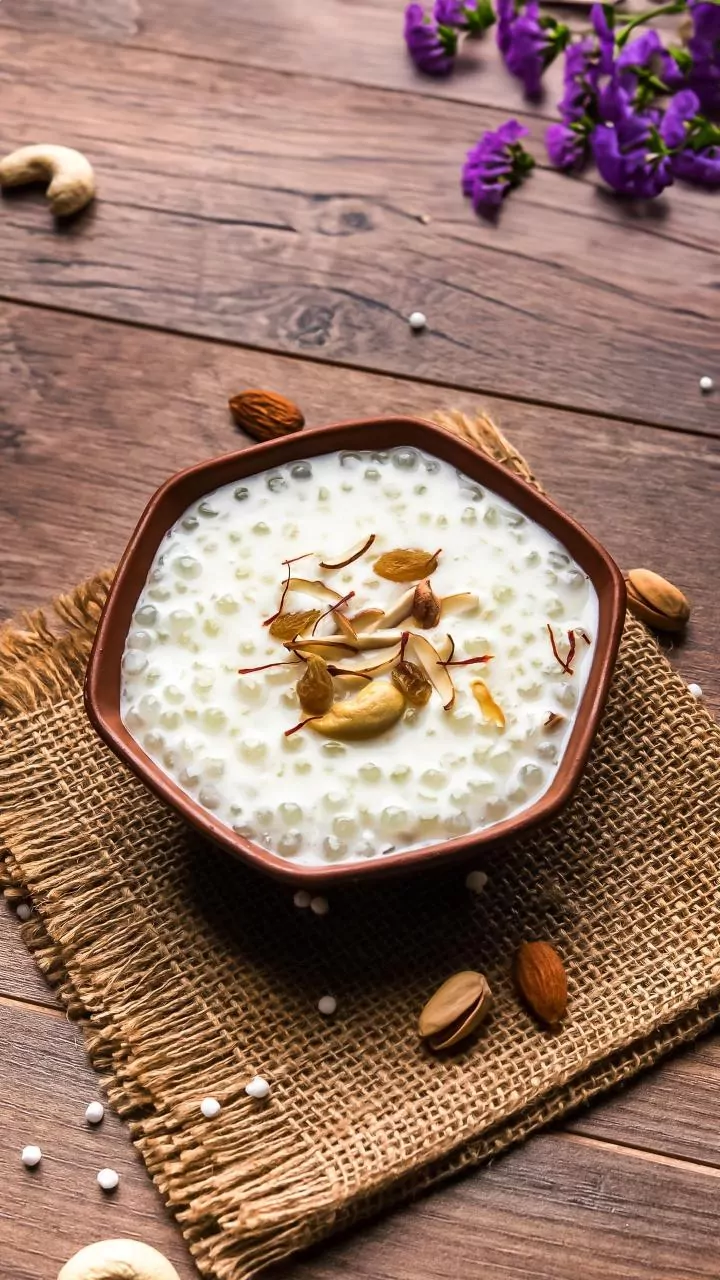


Sabudana (Tapioca Pearls): The Energy Booster
Sabudana is a staple in almost every household during fasting seasons, and for good reason. Primarily composed of carbohydrates, it provides a quick and sustained release of energy, which is crucial for getting through long fasting days. Its high starch
content helps to keep you feeling full and prevents the fatigue that can accompany a restricted diet. Being naturally gluten-free and easy to digest, sabudana is gentle on the stomach. It can be prepared in various delicious ways, from the savoury Sabudana Khichdi, tossed with peanuts and potatoes, to the sweet and comforting Sabudana Kheer. This versatility makes it easy to incorporate into your vrat diet, ensuring you have the fuel to remain active and focused.
Kuttu ka Atta (Buckwheat Flour): The Nutrient-Dense Flour
When regular wheat flour is off the menu, Kuttu ka Atta, or buckwheat flour, emerges as a fantastic alternative. Unlike its name suggests, buckwheat is not a type of wheat but a seed, making it gluten-free. It is packed with high-quality protein, dietary fibre, and essential minerals like magnesium and phosphorus. This impressive nutritional profile helps in maintaining satiety, preventing hunger pangs, and supporting overall health during the fast. The fibre aids in digestion, while the protein ensures you're not just consuming empty calories. You can use Kuttu ka Atta to make a variety of dishes, including puris, parathas, cheelas, and even dosas, adding substance and nutrition to your fasting meals.
Makhana (Fox Nuts): The Lightweight Powerhouse
Makhana, or puffed lotus seeds, are a light yet incredibly nutritious snack perfect for Sawan fasting. They are low in calories and fat but rich in protein and essential minerals like magnesium, potassium, and calcium. This makes them an ideal food to munch on between meals to keep hunger at bay without feeling heavy. The protein content contributes to a feeling of fullness, while the low sodium and high potassium levels are beneficial for heart health and regulating blood pressure. Simply roasted with a little ghee and seasoned with sendha namak (rock salt), makhana becomes a crunchy, satisfying snack. It can also be added to kheer or vegetable curries for extra texture and nutrition.
Yogurt (Curd): The Probiotic Cooler
Dairy products like yogurt are generally permitted during Sawan fasts and offer significant health benefits. Yogurt is an excellent source of protein and calcium, which are vital for muscle and bone health. Its probiotic properties are particularly beneficial during the monsoon season, as they help maintain a healthy gut, improve digestion, and boost immunity. Consuming yogurt can keep you hydrated and provide a cooling effect on the body. It's incredibly versatile; you can have it plain, make a refreshing lassi, or use it as a base for fruit bowls with nuts and seeds. It also pairs perfectly with many vrat-friendly dishes, like Kuttu parathas or Sabudana vadas, adding a dose of protein to carb-heavy meals.
Seasonal Fruits: The Natural Hydrators
Fruits are a cornerstone of any fasting diet, providing natural sugars for energy, essential vitamins, and much-needed hydration. During Sawan, which falls in the monsoon season, a variety of fruits like apples, bananas, pomegranates, and papayas are readily available. Bananas are particularly good for a quick energy boost due to their potassium and carbohydrate content. Pomegranates are packed with antioxidants. Including a colourful fruit salad in your diet can help you meet your daily nutrient requirements and prevent deficiencies. They are also rich in dietary fibre, which aids digestion and prevents constipation, a common issue during fasting. Eating fruits raw is the best way to get their full benefits.