



The Science Behind Barley and Blood Sugar
Barley's reputation as a blood-sugar-friendly food is primarily thanks to its high content of a specific type of soluble fibre called beta-glucan. When you eat barley, this fibre forms a gel-like substance in your gut. This process slows down digestion
and the absorption of carbohydrates and glucose into the bloodstream. The result is a more gradual rise in blood sugar and insulin levels after a meal, preventing the sharp spikes that can be problematic for energy levels and long-term health. In fact, studies have shown that barley can be more effective than even oats at reducing post-meal blood sugar levels. Some research has found it can reduce glucose levels by 59-65%, compared to 29-36% for oats.
Barley's Low Glycemic Index Advantage
The glycemic index (GI) is a scale that ranks carbohydrate-containing foods by how quickly they raise blood glucose levels. Foods with a low GI score (55 or less) are digested and absorbed more slowly, leading to a gentler blood sugar response. Hulled barley has one of the lowest GI values of any common grain, with a score often cited between 25 and 30. This is significantly lower than many other breakfast staples, including some types of oatmeal which typically fall in the 42 to 55 range. This low GI score makes barley an excellent component of a meal plan focused on metabolic health and sustained energy.
Hulled vs. Pearl Barley: Which Is Better?
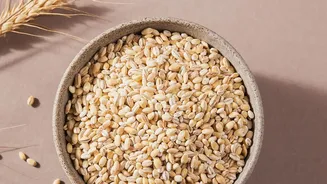
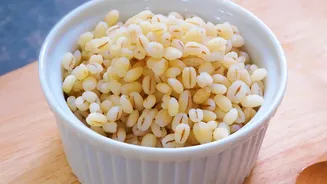
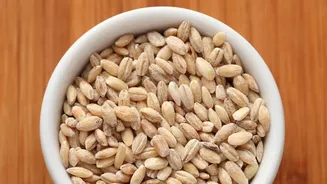
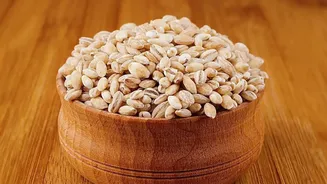
When you're shopping for barley, you'll mainly find two types: hulled and pearl. Hulled barley is the whole-grain version, with only the inedible outer husk removed. It retains its bran and germ, making it higher in fibre, protein, and other nutrients. Pearl barley has been polished to remove the bran layer. While this makes it cook faster and gives it a softer texture, it does reduce some of its nutritional value, particularly the fibre content. For maximum blood-sugar benefits, hulled barley is the superior choice because its fibre is more intact. However, pearl barley is still a good source of beta-glucan and a much healthier option than highly refined grains.
How to Build a Balanced Barley Bowl
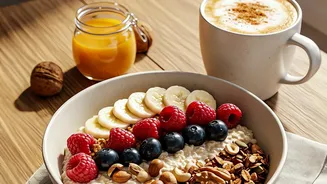
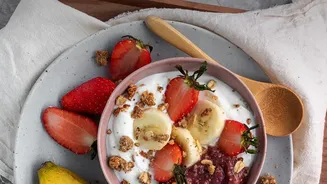
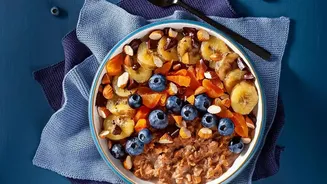
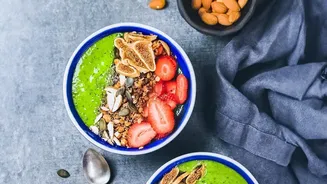
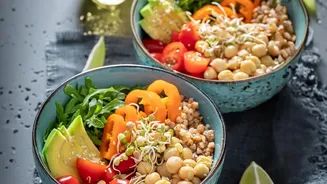
A grain alone does not make a complete meal. To create a truly blood-sugar-friendly breakfast, it’s crucial to pair your cooked barley with sources of protein, healthy fats, and additional fibre. This combination further slows digestion and promotes satiety, keeping you full and your energy levels stable for hours. Consider adding a dollop of Greek yogurt for protein, a sprinkle of nuts or seeds (like chia or flax) for healthy fats and fibre, and a handful of low-sugar berries for antioxidants and flavour. Avoid loading your bowl with high-sugar toppings like honey, maple syrup, or large amounts of sweet dried fruits, as these can counteract barley's low-GI benefits.
Simple Preparation for a Morning Meal
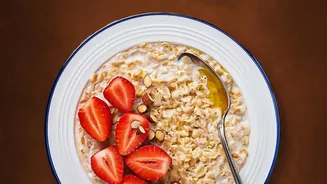
Barley takes longer to cook than oatmeal, but with a little planning, it’s easy to incorporate into your morning routine. To cook basic barley, use a ratio of one part barley to about three parts water or broth. Bring to a boil, then reduce the heat, cover, and simmer. Pearl barley will be tender in about 40-50 minutes, while hulled barley may take up to an hour or slightly more. A great time-saving strategy is to cook a large batch at the beginning of the week. Store the cooked barley in the refrigerator for up to three or four days and simply reheat a portion each morning with a splash of milk or water before adding your favourite healthy toppings.