






1. Watermelon
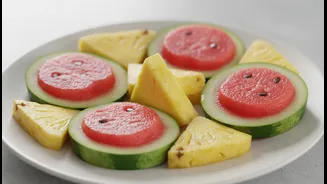
It’s no surprise that watermelon is a star hydrator. Composed of about 92% water, this summer icon is a delicious way to replenish fluids. Beyond its high water content, watermelon is a source of important nutrients like vitamin C, vitamin A, and magnesium.
It also contains lycopene, an antioxidant that helps protect cells from damage. Watermelon is rich in potassium, a natural electrolyte that helps regulate nerve and muscle function in the body. The amino acid L-citrulline found in watermelon may also support vascular health and improve blood flow, making it a great post-workout snack.
2. Strawberries
Just as hydrating as watermelon, strawberries contain about 91% water. These vibrant berries are not only delicious but also packed with vitamin C, manganese, and antioxidants. Their high fiber content aids digestion, and they are relatively low in sugar, making them a smart choice for a sweet treat. Enjoy them on their own, sliced in a salad, or blended into a refreshing smoothie to boost your fluid intake throughout the day.
3. Cantaloupe
With a water content of around 90%, cantaloupe is another excellent melon for hydration. A single cup provides a significant amount of your daily vitamin A and vitamin C needs, which are crucial for a healthy immune system and skin. Cantaloupe is also a good source of potassium, an electrolyte that helps maintain fluid balance. Its sweet, musky flavor makes it a refreshing addition to breakfast, fruit salads, or as a simple, cooling snack.
4. Peaches
These fuzzy summer fruits are not only sweet and juicy but also incredibly hydrating, with a water content of about 89%. Peaches are a good source of vitamins A and C, which support skin health and immune function. They also provide fiber, which aids in digestion and helps you feel full, making them a satisfying and low-calorie snack. For maximum benefits, eat them with the skin on, as it contains a high concentration of antioxidants.
5. Oranges
Known for their high vitamin C content, oranges are also great for hydration, consisting of about 87% water. They are a fantastic source of electrolytes like potassium, which is essential for maintaining fluid balance, muscle function, and nerve signals. The combination of water, natural sugars, and electrolytes makes oranges a perfect snack for re-energizing on a hot day or after light physical activity.
6. Pineapple
This tropical favorite is about 86-87% water and offers more than just a sweet, tangy flavor. Pineapple is rich in vitamin C and manganese, and it's the only major dietary source of bromelain, an enzyme that can help reduce inflammation and aid digestion. It also contains electrolytes like potassium and magnesium, which contribute to fluid balance and overall hydration. Enjoy it fresh to get the full benefits of its nutrients and water content.
7. Cucumber
While often considered a vegetable in the kitchen, cucumber is botanically a fruit and is one of the most hydrating foods you can eat, with a water content of about 95-96%. They are extremely low in calories and provide small amounts of vitamin K, potassium, and magnesium. Cucumbers' high water and fiber content can aid in digestion and help prevent constipation. Slice them into salads, add them to water for a refreshing infusion, or enjoy them as a crisp, cooling snack.
8. Tomatoes
Another fruit often mistaken for a vegetable, tomatoes are composed of roughly 94-95% water. They are an excellent source of vitamins A and C, as well as lycopene, a powerful antioxidant linked to a reduced risk of heart disease and certain cancers. Their high water content means they are low in calories, making them a versatile ingredient for salads, sandwiches, and sauces without adding heaviness to your meal.