








What Exactly is the New Plan?
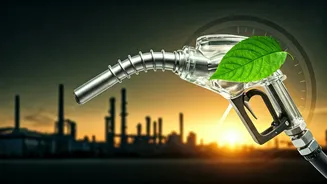
Following the successful rollout of petrol blended with ethanol (E20), the government is now targeting diesel, the country's most consumed fuel. The plan is to introduce a 15% biofuel blend into diesel nationwide. However, there's a technical challenge:
ethanol, the biofuel used in petrol, does not mix well with diesel. The solution being pursued is a next-generation biofuel called isobutanol. Officials have indicated that research is in advanced stages, with pilot projects showing positive results, and a formal mandate could be introduced as soon as later this year.
Why Not Just Use Ethanol?
Blending ethanol directly into diesel presents several problems that make it impractical for widespread use. The two liquids tend to separate, especially in the presence of water or at lower temperatures, which could cause engine problems. Furthermore, ethanol has a much lower flashpoint than diesel, creating safety concerns for handling and storage. Isobutanol, which can be produced from ethanol, overcomes these issues. It offers better stability, has a higher energy density, and is more compatible with existing diesel engine infrastructure, making it a far more suitable candidate for blending.
The Push for Energy Self-Reliance
The primary driver behind this initiative is India's quest for energy security and economic stability. Diesel consumption in India is nearly double that of petrol, meaning the country spends a vast amount of foreign currency on crude oil imports to meet demand. By blending 15% domestically produced biofuel, India can significantly reduce its reliance on imported oil, saving valuable foreign exchange and insulating the economy from volatile global energy prices. This move is seen as a crucial step in strengthening the nation's energy independence.
Benefits for the Environment and Farmers
The environmental case for biofuel-blended diesel is strong. Biofuels burn cleaner than traditional fossil fuels, leading to a reduction in harmful emissions, including particulate matter. This can contribute to better air quality in cities and across the country. The policy also provides a major boost to the rural economy. By creating a sustained demand for biofuel feedstocks like sugarcane, corn, and agricultural waste, the government aims to increase farmer incomes and create a circular economy where agricultural residue is turned into valuable fuel.
What Does This Mean for Vehicle Owners?
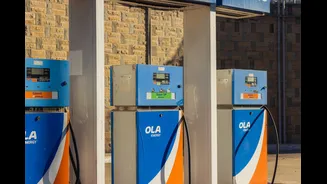
For the average person, the most immediate questions are about cost and vehicle performance. Isobutanol is considered a 'drop-in' fuel, which means it is largely compatible with existing diesel engines without requiring major modifications. In fact, biofuels can sometimes offer benefits like improved lubricity, which helps protect engine components. However, the real-world impact on fuel efficiency and long-term engine health in India's vast and varied vehicle fleet will be closely watched. As for the price at the pump, it will depend on the cost of isobutanol production and government tax policies. The goal is to make the transition seamless for consumers while achieving the larger national objectives.
Challenges on the Road Ahead
While the plan is ambitious and the benefits are clear, there are hurdles to overcome. Ramping up the production of isobutanol to meet the needs of the entire country is a significant industrial challenge. It will require substantial investment in new refining technologies and infrastructure. Ensuring consistent quality and supply across every state will be a massive logistical exercise. Automakers will also need to be on board, validating their engines for the new fuel blend and addressing any public concerns about vehicle warranties and performance, particularly for the millions of older trucks and commercial vehicles that are the lifeblood of India's economy.