




The Data Driving the Downpour
The claim isn't just anecdotal; it's backed by hard numbers. According to recent data from Cleartrip's Peekaboo Trends Tracker, Wayanad has recorded the highest growth in hotel bookings of any destination in India this monsoon, with a staggering surge
of over 160%. This isn't happening in isolation. The report highlights a nationwide trend where overall monsoon hotel bookings have jumped by more than 54%, but Wayanad’s performance significantly outpaces other popular spots. Further corroborating this is data from travel platform Scapia, which found that hotel bookings in Wayanad have grown approximately seven-fold year-on-year, placing it firmly at the top of the monsoon travel boom. Alleppey is close behind with 145% growth, but Wayanad's lead is clear, pointing to a specific and powerful appeal that has captured the imagination of Indian travellers.
What's Behind Wayanad's Monsoon Magic?
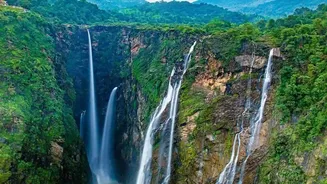
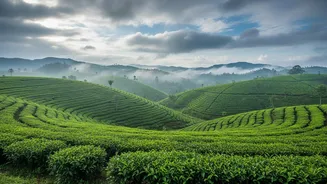
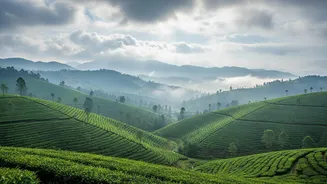
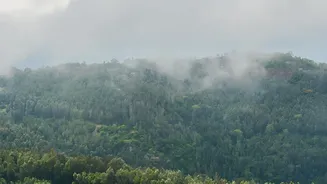
So, what makes Wayanad so special when it rains? The district transforms into a lush, green paradise. The monsoon breathes new life into the landscape, turning its rolling hills, dense forests, and spice plantations into a vibrant spectacle. Waterfalls like Soochipara, Kanthanpara, and Meenmutty, which are gentle streams in the summer, become powerful, thundering cascades that draw visitors from all over. While other parts of India might grapple with uncomfortable humidity or flooding, Wayanad's elevation in the Western Ghats keeps the climate pleasantly cool, with temperatures often hovering between 15 and 25 degrees Celsius. This creates a perfect setting for what travellers are increasingly seeking: a peaceful, refreshing escape from city life. The air smells of wet earth, the valleys are draped in mist, and the entire region takes on a serene, almost cinematic quality.
From 'Lean Season' to 'Dream Season'
This success story wasn't accidental. It is the result of a concerted effort by Kerala's tourism industry over the last decade to rebrand the monsoon from a lean period to a 'dream season'. One of the smartest strategies was promoting Ayurveda. According to traditional wisdom, the cool, dust-free monsoon weather is the ideal time for rejuvenation therapies, as the body's pores are open and more receptive to treatment. This has attracted a steady stream of wellness tourists. Furthermore, Kerala has successfully marketed itself to travellers from the Middle East, who flock to the state during these months to escape the extreme summer heat in their own countries. These visitors are often high-spending and travel in large family groups, providing a significant boost to the local economy. By offering attractive discounts and packaging the rain itself as an experience, resorts and hotels have turned a former disadvantage into a unique selling point.
A Blueprint for the Future of Travel
Wayanad’s boom is also part of a larger shift in Indian travel habits. The concept of the 'micro-cation'—shorter, more frequent trips of three to five days—is gaining momentum. Travellers are no longer waiting for long annual holidays, instead opting for spontaneous weekend getaways to destress and reconnect with nature. The monsoon season fits perfectly into this new pattern. This trend is not limited to Kerala; destinations across the country, from Goa and the Northeast to hill stations in the north, are seeing a rise in rainy-season visitors. Social media has also played a huge role, with travel creators showcasing the stunning, rain-washed beauty of these off-season destinations and inspiring others to follow suit. This move towards experience-led travel, where the journey and atmosphere are as important as the destination itself, has been a game-changer.