






Money Plant (Epipremnum aureum)
The Money Plant, or Pothos, is arguably one of the most forgiving and simple plants to propagate, making it perfect for beginners. Its trailing vines and heart-shaped leaves make it a popular choice for indoor decor. To propagate, simply take a healthy
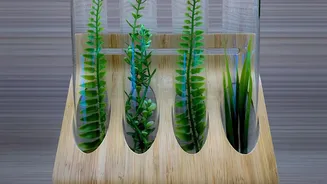
stem cutting that is at least four to six inches long. Ensure the cutting has at least one node, which is the small bump on the stem where leaves and roots emerge. You can cut just below a node. Place the cutting in a jar of clean water, making sure the node is submerged. Roots should start to appear within two to four weeks. Once the roots are a couple of inches long, you can transfer the new plant to a pot with well-draining soil. Alternatively, you can plant the cutting directly into moist soil.
Rose (Rosa)
Roses can be successfully grown from cuttings, allowing you to replicate your favourite bushes. The best time to take cuttings is from stems that have recently flowered. Choose a healthy stem, about 6 to 8 inches long, from a strong plant. The cutting should be taken from the section between a faded bloom and the woody base of the plant. Remove the lower leaves, leaving only one or two sets at the top to reduce moisture loss. For better results, dip the cut end into a rooting hormone. Plant the cutting in a pot filled with a well-draining soil mix, burying it deep enough so that at least two nodes are covered. To create a humid environment that encourages rooting, you can cover the pot with a plastic bag or an inverted plastic bottle with the cap off. Keep the soil consistently moist but not waterlogged. Roots typically form in a few weeks.
Hibiscus
Hibiscus plants, with their vibrant, large flowers, are a beautiful addition to any garden. They can be propagated from softwood cuttings, which are taken from the current season's new, green growth. The ideal time to take these cuttings is in the late spring or early summer. Take a cutting that is 4 to 6 inches long and has several leaves at the top. Remove the leaves from the bottom half of the cutting. While optional, dipping the end in rooting hormone can increase success rates. Plant the cutting in a container with moist, well-drained potting mix, ensuring at least one node is buried about an inch below the soil surface. Cover the container with a clear plastic bag to create a mini-greenhouse effect, which helps retain humidity. Place it in a spot with partial shade and keep the soil moist. Roots should develop in about eight weeks.
Snake Plant (Dracaena trifasciata)
Known for its hardiness and air-purifying qualities, the Snake Plant is exceptionally easy to propagate. You can create new plants from leaf cuttings. Simply cut a healthy, mature leaf from the plant. This leaf can then be cut into smaller sections, each about 3 to 4 inches long. It's crucial to remember which end is the bottom of each cutting, as they will only root from that end. Allow the cuttings to dry for a day or two to form a callus over the cut end, which helps prevent rot. You can then place the cuttings in a jar with an inch of water or plant them directly into a well-draining potting mix, like one formulated for succulents. Propagation for snake plants is slow, and it can take a couple of months for roots to appear, so patience is key.
Bougainvillea
Bougainvillea is known for its stunning, colourful bracts and is a vigorous climber in warm climates. It can be propagated from semi-hardwood cuttings taken in spring or summer. Select a healthy stem that is neither new and green nor old and woody, and take a cutting that is about 6 inches long. Remove the leaves from the lower half of the cutting. To encourage rooting, you can gently scrape the bark on the bottom inch of the cutting and dip it in rooting hormone. Plant the cutting in a pot with a well-draining mix, like equal parts soil and perlite. Covering the pot with a plastic bag helps to maintain the high humidity that bougainvillea cuttings need to root successfully. Keep the soil moist and place the pot in a warm, bright area out of direct sunlight. Roots can take anywhere from four to twelve weeks to form.