




A Fluffy Solution to a Growing Challenge
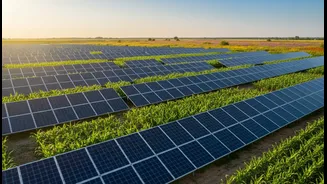
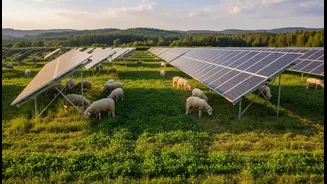
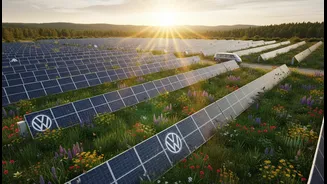
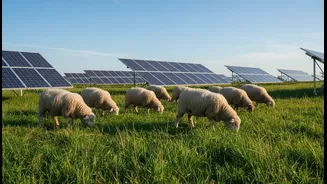
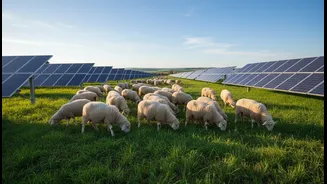
The concept is known as agrivoltaics, or more specifically, solar grazing. It involves introducing livestock, primarily sheep, to manage the vegetation that grows under and around solar panel installations. Instead of using noisy, polluting mowers or chemical
herbicides to keep grass and weeds from shading the panels, solar farm operators partner with local shepherds. These flocks of sheep become a living, breathing maintenance crew, keeping the land clear while the panels continue to generate clean energy. It’s a symbiotic relationship that turns a potential land-use conflict into a dual-purpose success story, where the same patch of land produces both electricity and agricultural products.
The Benefits for Solar Operations
For solar farm operators, the primary benefit is efficient and cost-effective vegetation management. Overgrown plants can block sunlight, drastically reducing a panel's energy output, and can also become a fire hazard. Using sheep eliminates the need for fossil-fuel-powered mowers, reducing operational costs, emissions, and the risk of mowers kicking up rocks that could damage the expensive panels. Sheep can graze in areas that are difficult for machinery to reach. This natural approach not only ensures panels remain unobstructed for maximum energy production but also improves the long-term health of the land itself.
A New Lifeline for Local Agriculture
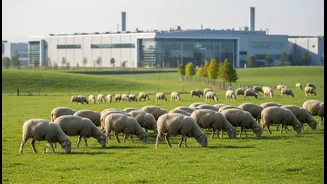
Solar grazing provides a significant boost to local agricultural economies. For farmers and shepherds, it opens up new, reliable streams of income. They can earn fees from solar companies for their grazing services or gain access to large tracts of land for their flocks without the burden of ownership. This is particularly valuable in a time of economic stress for many farmers, allowing them to diversify their revenue and even expand their operations. The practice keeps agricultural land in production, contributing local meat, wool, and dairy to the market and strengthening rural communities. Some studies have shown that shepherds participating in these programs can earn incomes comparable to high-paying professional jobs.
Why Sheep are the Ideal Candidates
While other livestock can be used, sheep are considered the gold standard for solar grazing. Their size is a key advantage; they are short enough to walk comfortably under the panels without damaging the equipment. Unlike goats, which have a tendency to climb or chew on wires, sheep are generally content to focus on the grass and weeds beneath them. Cattle can be used in some larger installations, but they often require more robust and higher-mounted panel systems. Sheep, on the other hand, are agile and effective foragers, making them perfectly suited for the unique environment of a solar farm. The panels, in turn, provide the sheep with welcome shade on hot days and shelter from the elements, which can improve their overall health and well-being.
The Potential in the Indian Context
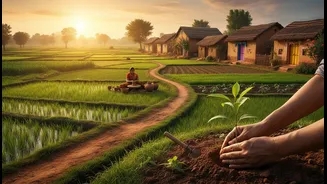
India has some of the world's largest solar parks, such as the Bhadla Solar Park in Rajasthan, which spans over 14,000 acres. The land required for such massive projects is immense, often estimated at 2 to 5 acres per megawatt of capacity. This creates significant challenges around land acquisition, often putting energy goals in conflict with agricultural land use. Agrivoltaics offers a promising path forward. By adopting solar grazing, India could potentially mitigate these land-use disputes, allowing for the dual use of land for both energy and agriculture. It would provide crucial support to rural and farming communities, aligning with initiatives to boost agricultural income while simultaneously helping the nation achieve its ambitious target of 500 GW of non-fossil fuel power capacity by 2030.