






The Deception of Healthy-Looking Leaves
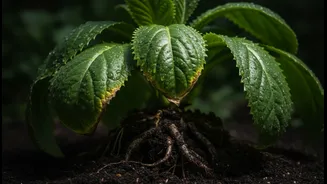
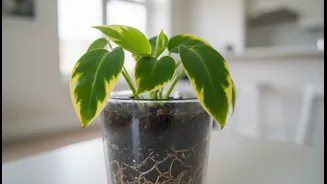
A plant can look perfectly healthy above the soil even while its root system is in crisis. The leaves and stems are the last to show signs of distress. Below the surface, a silent battle may be underway. The most common culprit is poor drainage, which
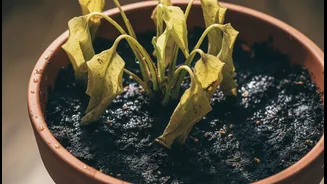
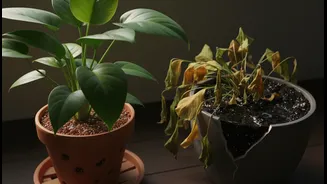
leads to waterlogged soil. This suffocates the roots, depriving them of the oxygen they need to function. Without oxygen, roots can't absorb water or nutrients, and they become susceptible to fungal diseases known as root rot. By the time the leaves turn yellow, wilt, and collapse, the root system is often severely damaged. The plant has been running on stored energy, but once that runs out, the collapse seems to happen overnight.
Why Drainage Is Everything
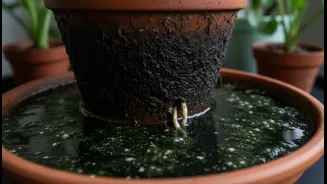
Think of a plant's roots needing to breathe. In their natural habitat, soil has a complex structure that allows excess water to drain away, leaving air pockets. In a pot, this environment must be replicated. When a pot has no drainage holes, or when the soil is too dense and compacted, water has nowhere to go. It pools at the bottom, creating an anaerobic (oxygen-free) environment perfect for the fungi and bacteria that cause root rot. These pathogens attack the roots, turning them from firm and white to dark, mushy, and smelly. A healthy-looking plant can be sitting in a pot with rotting roots for a long time before the damage becomes visible up top.
Early Warning Signs You Might Be Missing
Before the dramatic collapse, your plant likely sent out subtle distress signals. Learning to spot these is key to early intervention. Look for slow or stunted growth, as this is often the very first sign something is wrong. Other clues include lower leaves turning yellow and dropping off, or leaves that wilt even when the soil is moist. You might also notice fungus gnats hovering around the pot, as they are attracted to consistently damp soil. A musty or sour smell from the soil is another red flag, indicating that decay is happening below the surface. If you see several of these signs, it's time to investigate your plant's drainage.
How to Perform a Drainage Check-Up
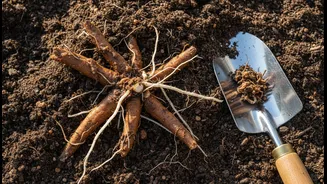
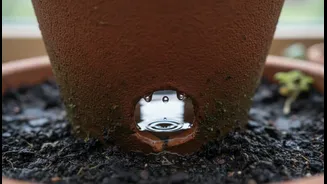
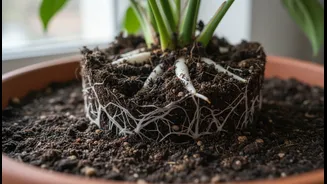
You don’t have to wait for disaster to strike. The easiest way to check drainage is to observe what happens when you water. Water should flow relatively freely through the soil and out the drainage holes at the bottom of the pot. If water sits on the surface for a long time or takes ages to drain, your soil is likely too compacted. You can also gently tip the plant out of its pot to inspect the roots. Healthy roots are typically firm and white or light-coloured. If you see dark, soft, or mushy roots, especially at the bottom of the root ball, you have a drainage problem and likely the beginnings of root rot.
Rescue, Recovery, and Prevention
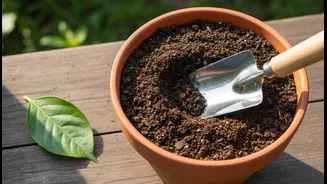
If you've caught root rot early, you may be able to save your plant. Gently remove the plant from its pot and wash away the soil. With clean scissors, trim off all the black, mushy roots. Repot the plant in a fresh, well-draining potting mix. For long-term prevention, always use pots with drainage holes. If you fall in love with a decorative pot without holes, use it as a cachepot: keep your plant in a plastic nursery pot that fits inside the decorative one, and remove it to water. Choose a potting mix appropriate for your plant; you can improve aeration by adding perlite or pumice. Finally, learn to water correctly—wait until the top inch or two of soil is dry before watering again.