




The Creamy Delight of the North: Kashmiri Dum Aloo
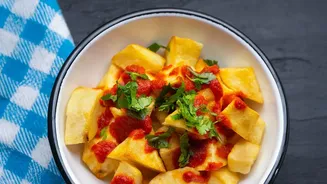
Originating from the picturesque valleys of Kashmir, this dish is a testament to the region's rich culinary heritage. Kashmiri Dum Aloo isn't just a curry; it's an experience. Traditionally made with baby potatoes that are first fried and then slow-cooked
('dum') in a vibrant, yoghurt-based gravy, it’s a masterclass in flavour. The magic lies in its unique blend of spices, particularly fennel and dried ginger powder, which give it a fragrant aroma and a warm, comforting taste without the use of onion or garlic. The potatoes absorb the aromatic gravy, becoming incredibly tender and flavourful. It’s a dish often reserved for special occasions, showcasing how Kashmiri cuisine elevates the simple potato into something truly royal.
The Fiery Heart of the West: Batata Vada
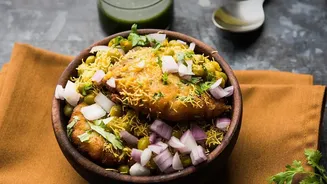
Travel west to Maharashtra, and you'll find the potato in its most popular street-food avatar: the Batata Vada. This isn't just a snack; it's an emotion for Mumbaikars and a staple for the working class. The process involves boiling and mashing potatoes, then mixing them with a zesty combination of green chillies, ginger, garlic, and mustard seeds. This spicy mixture is shaped into balls, dipped in a thick gram flour (besan) batter, and deep-fried to golden perfection. Served piping hot, often sandwiched in a soft pav to create the iconic Vada Pav, it’s a quick, affordable, and incredibly satisfying meal. The Batata Vada is a perfect example of how a few simple ingredients can create an explosion of flavour, cementing its place as the king of Mumbai street food.
The Earthy Elegance of the East: Aloo Posto
In Bengal, the potato is transformed by a single, magical ingredient: poppy seeds (posto). Aloo Posto is a quintessential Bengali comfort food, celebrated for its subtle, nutty flavour and minimalist elegance. The dish consists of potatoes cooked in a thick, creamy paste of ground poppy seeds, punctuated by the sharp heat of green chillies and the pungent aroma of mustard oil. Unlike many other curries, it uses very few spices, allowing the earthy taste of the poppy seeds to shine through. Aloo Posto is a beloved staple in Bengali households, often served with plain rice and dal, offering a soothing and soulful meal. It’s a unique reinvention that highlights the region's distinct culinary identity.
The Soul of the South: Masala Dosa's Aloo Bhaji
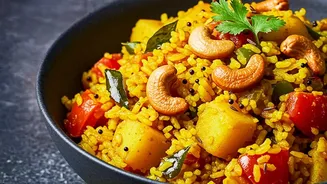
Head south, and you'll find the potato playing a crucial supporting role inside one of India's most famous culinary exports: the Masala Dosa. The aloo bhaji, or potato masala, is the flavourful heart of this iconic dish. It's a simple yet delicious preparation of boiled and mashed potatoes sautéed with onions, green chillies, curry leaves, and a classic tempering of mustard seeds and lentils. Turmeric gives the filling its signature yellow hue and earthy flavour. While delicious on its own, its true purpose is to be lovingly spread inside a crisp, golden dosa, creating a perfect harmony of textures and tastes. This humble potato filling is what elevates a plain dosa into a complete, satisfying meal enjoyed by millions.
The Rustic Comfort of the Northeast: Aloo Pitika
In Assam, the potato finds its simplest and perhaps most profound expression in Aloo Pitika. This is comfort food in its purest form, a rustic mash that is both incredibly easy to make and bursting with flavour. It’s a soulful dish made by mashing boiled potatoes with finely chopped raw onions, green chillies, fresh coriander, and a generous drizzle of pungent raw mustard oil. The mustard oil is the star ingredient, lending the dish its signature sharp and aromatic kick that is characteristic of Assamese cuisine. Often served as a side with rice and dal, Aloo Pitika is a staple in Assamese homes, tracing its origins to the region's farming communities. It proves that sometimes, the most memorable reinventions are the simplest ones.