




First, Understand Your Room's Humidity
Humidity is simply the amount of moisture in the air, and it's a critical factor for plant health. Tropical plants often crave high humidity, while desert natives prefer arid conditions. Indian homes vary dramatically, from humid coastal regions to dry
northern winters and air-conditioned rooms. You can gauge humidity easily: do your windows fog up? That's high humidity. Is your skin often dry? That indicates low humidity. For a more precise reading, a small, inexpensive device called a hygrometer will give you an exact percentage. Generally, a humidity level of 40-60% is a happy medium for many plants, but matching a plant to your room's specific conditions is the key to success.
Plants for High-Humidity Havens
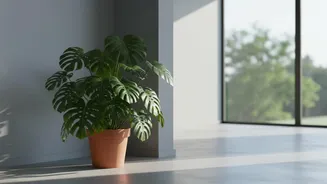
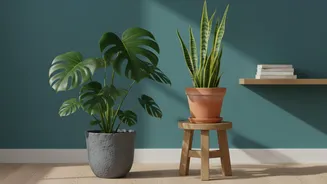
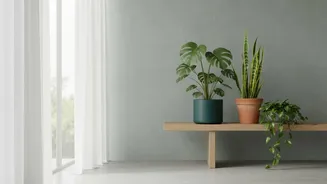
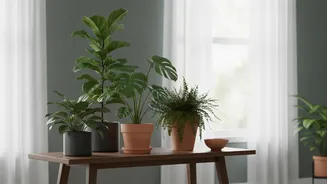
If you live in a coastal city or have a room that traps moisture, like a bathroom or kitchen, you're in luck. Many beautiful plants will thrive. Ferns, such as the Boston Fern, are classic humidity-lovers with their delicate, feathery fronds. Peace Lilies not only tolerate but enjoy moist air, rewarding you with elegant white blooms. Money Plants (Pothos) and Philodendrons are incredibly adaptable but flourish when the air is humid. Other great choices include the vibrant Anthurium, known for its glossy, heart-shaped flowers, and the lush Monstera Deliciosa, which develops its iconic leaf splits more readily in a humid environment. These plants will feel right at home in the natural humidity common across many Indian regions, especially during the monsoon.
Hardy Plants for Drier Environments
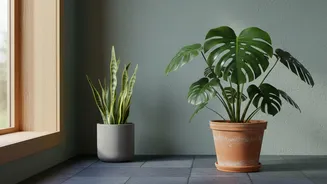
Homes with frequent air conditioning or located in drier inland regions often have low humidity. Don't despair—many tough plants are perfectly suited for these conditions. The Snake Plant is a champion of resilience, tolerating dry air and infrequent watering while purifying the air at night. Similarly, the ZZ Plant, with its glossy, architectural leaves, stores water in its roots and is nearly indestructible. Most succulents, like Aloe Vera and the Jade Plant, are adapted to arid climates and are excellent choices for sunny, dry spots. The humble Spider Plant is also remarkably adaptable, performing well whether the air is dry or humid.
Next, Assess Your Available Space
Before buying a plant, consider its mature size, not just how it looks in a small nursery pot. Measure the spot you have in mind. Is it a narrow corner, a wide-open living room floor, a small desk, or a floating shelf? Note the footprint (width) and the vertical space (height) available. A plant that will grow two metres tall is not suitable for a bookshelf. Reading the plant's tag or a quick online search will tell you its eventual height and spread, preventing future problems with overcrowding or a plant that unhappily presses against a wall or ceiling.
Compact Choices for Cosy Corners
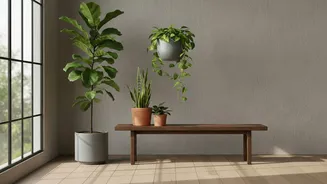
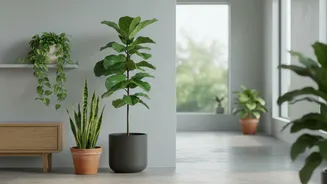
Small spaces demand smart plant choices. For desks and windowsills, consider plants that grow vertically or remain compact. The Snake Plant and ZZ Plant are excellent choices as they grow upwards without spreading too wide. The Spider Plant is perfect for a small table or hanging basket, with its arching leaves and cascading 'pups'. Money Plants (Pothos) are incredibly versatile; you can let their vines trail from a high shelf or train them to climb upwards on a small trellis, making them ideal for adding greenery without taking up floor space.
Statement Plants for Spacious Rooms
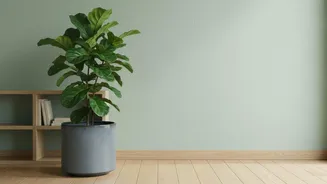
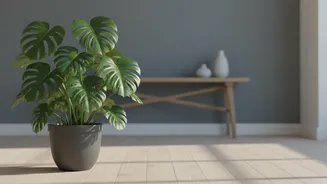
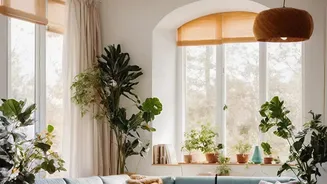
If you have the luxury of space, a large statement plant can become a stunning living sculpture and a room's focal point. The Areca Palm is a long-time favourite in Indian homes, with its lush, feathery fronds that can grow up to seven feet indoors. It also acts as a natural humidifier. The Monstera Deliciosa, with its huge, dramatic leaves, can grow very large and is perfect for filling a bright corner. For a touch of modern elegance, the Fiddle Leaf Fig offers a tree-like presence, while a tall Dracaena adds vertical interest with its cane-like stems and striped leaves. These plants need room to breathe and show off their impressive forms.