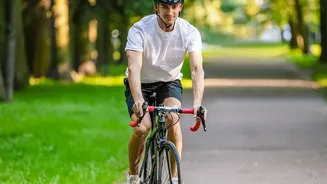







The Rise of Active Transport
The idea is simple: instead of automatically reaching for your keys or booking a cab for short trips, you walk. This is often called 'active transport'. It’s about integrating physical activity directly into your daily routine, not as a separate task
to be checked off, but as a practical means of getting from one place to another. Studies in India show that people who walk or cycle to work are significantly less likely to be overweight or have high blood pressure and diabetes. By choosing to walk to the local market, a friend's house, or the nearest bus stop, you are turning commuting time into valuable activity time without needing to schedule a separate gym session. This shift in mindset from viewing walking as purely recreational to seeing it as functional is the first step towards a more active lifestyle.
A Powerful Prescription for Your Body
The physical health benefits of regular walking are extensive and well-documented. Aiming for at least 30 minutes of brisk walking most days of the week can increase cardiovascular fitness, strengthen bones, and reduce excess body fat. This activity is a proven way to lower your risk of developing chronic conditions like heart disease, stroke, and type 2 diabetes. You don't necessarily need to hit the popular 10,000-step goal right away; benefits begin with far fewer steps. For older adults, even 4,500 steps a day can dramatically lower the risk of a cardiovascular event. Starting with just 10-15 minute walks and gradually increasing the duration is a sustainable way to build the habit. The key is consistency, turning small daily efforts into significant long-term health improvements.
Clear Your Head and Save Your Money
Beyond the physical gains, walking is a powerful tool for mental wellness. A brisk walk releases endorphins, the body’s natural mood-boosters, which can ease stress and anxiety. Research shows that even a single 10-minute walk can improve your mood, and regular walking can be as effective as medication for some cases of mild to moderate depression. The increased blood flow to the brain also enhances mental alertness. Simultaneously, the economic benefits are immediate and tangible. Every trip made on foot is money saved on fuel, parking, or ride-hailing fares. In a time of rising costs, this 'walking dividend' can add up to significant household savings over a month, making it a smart financial choice as well as a healthy one.
Making It Work in an Indian Context
Of course, walking in a bustling Indian city comes with its own set of challenges, from inconsistent footpaths to traffic. However, with a bit of planning, it is entirely achievable. Start by identifying safe, walkable routes in your neighbourhood, perhaps to a local park, kirana store, or metro station. Investing in a comfortable pair of shoes is essential. To stay safe, always be aware of your surroundings and, if possible, walk against the flow of traffic to see oncoming vehicles. Early mornings or evenings can offer a more pleasant experience with less traffic and pollution. For longer commutes, you can try a hybrid approach: walk to a bus stop or metro station instead of taking a vehicle all the way. This still incorporates valuable activity into your day.
Reconnect with Your Community
One of the most overlooked benefits of walking is the renewed connection it fosters with your surroundings. When you travel in a car, the world zips by in a blur. On foot, you move at a human pace. You notice the small details of your neighbourhood—the new cafe that opened, the seasonal flowers in a balcony garden, the street art on a previously unnoticed wall. This slower, more observant mode of travel can make you feel more present and grounded in your community. It transforms the journey from a stressful necessity into an enjoyable part of your day, offering a chance to decompress and engage with your environment in a way that driving simply cannot.