









The Numbers Behind the Surge
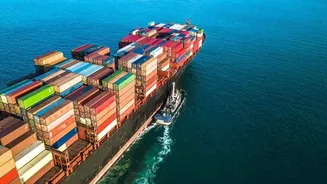
Recent market analyses and government reports paint a clear picture of dynamic growth on India’s roads. The road freight transport market, valued at over USD 167 billion in 2026, is expanding at a compound annual growth rate of nearly 9%. This isn't just
a story about more trucks on the road; it reflects a deeper economic momentum. This growth is being driven by a revival in manufacturing, booming e-commerce that is pushing deeper into Tier-3 and Tier-4 towns, and a significant public sector investment in highway infrastructure. Roads now carry approximately 70% of all freight in India, making the health of this network a direct indicator of the country's economic pulse.
Infrastructure as the Engine
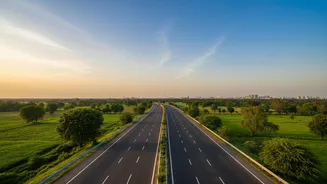
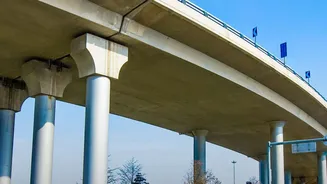
At the heart of this transformation is the massive expansion of India's highway network. As of March 2026, the national highway network has expanded to over 1,46,500 kilometres, a roughly 60% increase from 2014. Flagship initiatives like the Bharatmala Pariyojana are critical to this success. As of March 2026, over 22,500 kilometres of roads under this program have been completed, with a focus on creating efficient economic corridors, inter-corridors, and feeder routes. The project has been instrumental in reducing logistical bottlenecks and improving connectivity to remote and border areas, directly contributing to faster and more reliable freight movement. The result is not just more roads, but better, wider, and faster ones, with the length of four-lane-plus national highways more than doubling in the last decade.
Beyond the Metros: A New Economic Geography
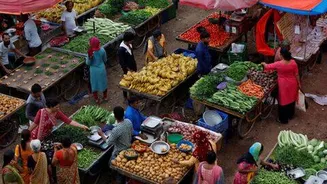
The most compelling aspect of the new data is where the growth is strongest: on regional routes. The e-commerce boom is no longer confined to big cities, with online retail's penetration into smaller towns propelling a steady demand for last-mile delivery and regional distribution. Companies are building micro-fulfilment hubs in secondary towns to meet consumer expectations for quick delivery, redrawing the country's logistics maps. This trend is complemented by a rise in leisure travel by road. An Uber Intercity Travel Index noted that while major city-to-city corridors remain busy, the strongest growth is now emerging from Tier-2 city routes and trips to weekend destinations, as improved highways make road trips more appealing.
The Road Ahead: Challenges and Opportunities
While the growth is impressive, challenges remain. Urban congestion is still a major issue in many cities, and further improvements in last-mile connectivity are needed. However, the momentum is undeniable. The government's focus on infrastructure continues, with plans to develop a vast network of access-controlled expressways to further reduce travel times and logistics costs. Furthermore, technology is playing a greater role. The widespread adoption of FASTag for tolling and the increasing use of digital freight-matching platforms are making the entire ecosystem more efficient. The National Highways Authority of India (NHAI) has also recently begun sharing highway data with research institutions to spur innovation in traffic analytics and pavement management, promising even smarter and more durable roads in the future.