



The New Symbols of Status
Not long ago, the idea of a luxury vehicle in India conjured images of large, powerful petrol or diesel sedans and SUVs. Today, that picture is rapidly changing. The most coveted vehicles for many of India's wealthy are now fully electric, with premium
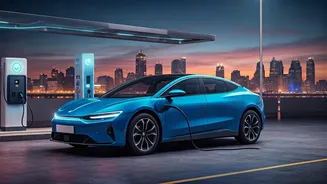
SUVs leading the charge. Models like the BMW iX, Audi Q8 e-tron, Mercedes-Benz EQE SUV, and Volvo C40 Recharge are becoming increasingly common sights in major metropolitan areas. These are not just cars; they are statements. They represent a blend of technological sophistication, high performance, and environmental responsibility, a combination that is proving irresistible to a new generation of Indian luxury buyers. Sales figures underscore this trend, with the luxury EV segment recording a significant 66% year-on-year growth in the first five months of 2025.
What's Powering the Demand?
Several factors are converging to fuel this high-end EV boom. Firstly, the products themselves have become far more compelling. The latest generation of luxury electric SUVs offers impressive range, often between 400 and 550 km on a single charge, which helps alleviate the once-common 'range anxiety'. Secondly, the driving experience—characterised by silent operation and instant torque—is a unique form of luxury that traditional combustion engines cannot match. The buyer demographic is also evolving. A younger, tech-savvy, and environmentally aware group of entrepreneurs and high-net-worth individuals is driving sales. According to BMW, around 65% of its EV customers are below the age of 45. This demographic is not just buying a car; they are adopting a lifestyle and aligning with brands they perceive as forward-thinking.
The Expanding Charging Network
A critical enabler of this trend has been the steady expansion of charging infrastructure, particularly in urban centres. While India's overall public charging network still has a long way to go, its growth has been rapid, increasing nearly six-fold since 2022 to over 29,000 public stations by early 2026. Luxury brands are not just waiting for the public infrastructure to catch up; they are building their own ecosystems. Companies like BMW and Mercedes-Benz offer complimentary home wallbox chargers and have established their own fast-charging networks at dealerships across the country, providing a seamless ownership experience. This has given buyers the confidence that they can rely on their electric SUVs for both daily commutes and inter-city travel, especially along major highway corridors.
Beyond the Metros and Price Tags
While demand remains concentrated in cities like Delhi, Mumbai, and Bengaluru, the trend is starting to percolate into Tier-II cities. BMW has reported receiving significant enquiries and bookings from cities like Chandigarh, Lucknow, and Kochi, indicating a broadening geographic appeal. Of course, this premium experience comes at a premium price, with most models costing well over ₹1 crore. However, for the target demographic, the total cost of ownership can be appealing. Lower running costs and tax benefits, such as a lower GST rate of 5% on EVs compared to the higher slabs for luxury petrol cars, narrow the financial gap over time. The customer base consists of individuals who are early adopters and willing to invest in the latest technology and make a statement about sustainability.
The Road Ahead
The momentum in the luxury EV space shows no signs of slowing down. Automakers are continuously expanding their portfolios. Volvo, for instance, plans to launch one new electric vehicle every year. BMW now offers six EV models in India, the most of any luxury manufacturer, and has seen its electric vehicle sales make up an ever-growing portion of its total sales. Challenges like the development of a truly nationwide fast-charging network and questions around long-term battery life and resale value remain. However, the industry is actively working to address these concerns. The entry of new players like Tesla is also expected to further energize the market. This niche segment's growth is a strong indicator of the future of mobility in India, where luxury and sustainability are no longer mutually exclusive.