






Why Ferns and Herbs Make a Perfect Pair
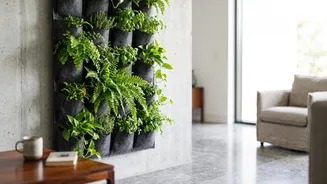
Combining ferns and herbs in a vertical garden is a brilliant strategy for creating a wall that is both beautiful and productive. Ferns bring soft, feathery texture and a sense of lushness, thriving in the shadier, moister pockets that often exist at the bottom
of a vertical system. Many have shallow, fibrous root systems well-suited to the compact pockets of a green wall. Herbs, on the other hand, offer a delightful range of flavours, scents, and textures. Trailing herbs like oregano and thyme can cascade beautifully, while upright varieties like rosemary and chives add height and structure. Harvesting herbs regularly not only provides fresh ingredients for your meals but also encourages bushier, healthier growth. Together, they create a multi-layered, functional, and visually dynamic display.
Choosing a Suitable Vertical System
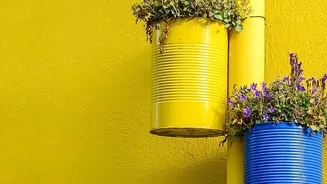
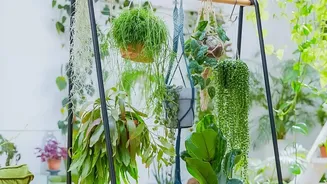
The success of your garden hinges on selecting the right system. Vertical gardens, also called living walls, come in several forms. Pocket planters, made from sturdy fabric, are a popular and flexible option, perfect for growing individual herbs and smaller ferns. Modular tray systems offer a more structured look, with individual plastic containers that click into a frame. For the DIY-minded, repurposing a wooden pallet can be an affordable and rustic choice, though it's best for ornamental plants unless you can verify the wood is untreated. You can also use trellises, ladders, or wall-mounted shelves to hold individual pots. Whatever system you choose, ensure it has good drainage; herbs especially dislike sitting in soggy soil. Some systems even come with built-in drip irrigation, which is a major benefit as vertical gardens can dry out quickly.
The Best Ferns for Your Living Wall
Not all ferns are created equal when it comes to vertical living. The best candidates are those that adapt well to container life and don't grow excessively large. The Boston Fern is a classic choice, known for its arching, graceful fronds that create a spilling effect. It prefers partial shade and consistent moisture. Bird's Nest Ferns offer a different look with their solid, wavy, nest-like fronds and do well in the shaded, protected lower sections of a wall. For a more delicate texture, consider a Maidenhair Fern, though be warned it requires high humidity and consistently moist soil to prevent its fronds from drying out. Other excellent options include the Button Fern, with its small, round leaflets, and the Japanese Painted Fern, which adds a touch of silver and burgundy colour.
Top Herbs for Easy Access and Flavour
An herb wall is a cook's dream. For sunny spots, woody Mediterranean herbs are fantastic. Rosemary can be trained to grow upright, while creeping Thyme and Oregano will trail beautifully over the edges of their containers. Mints are vigorous growers, but it's best to keep them in their own confined pocket to prevent them from taking over. In spots with slightly less intense sun, consider soft-leafed herbs like Parsley, Chives, and Coriander. Lemon Balm is another easy-to-grow option that adds a wonderful citrus scent. When selecting herbs, consider their water needs; group thirsty herbs like basil and parsley together, and drought-tolerant ones like rosemary and thyme in a separate zone if possible.
Setup, Planting, and Ongoing Care
Once you have your system and plants, it's time to build. Use a high-quality, lightweight potting mix designed for containers, as it will provide better drainage than heavy garden soil. Some experts recommend adding a layer of small rocks at the bottom of each container to further aid drainage before adding soil. When planting, gently tease the roots and place plants according to their light needs—sun-lovers at the top, shade-tolerant ferns at the bottom. Water thoroughly after planting. Vertical gardens need frequent watering, as the smaller soil pockets dry out faster. Check the top inch of soil with your finger; if it's dry, it's time to water. Pruning is key for both ferns and herbs. Trim away any dead or yellowing fronds on your ferns, and harvest your herbs often to promote new growth and maintain their flavour.