





A Necessary Precaution, Not an Inconvenience
Every year, from mid-June to late October, the Konkan Railway Corporation Limited (KRCL) implements its monsoon timetable. For 2026, this schedule is in effect from June 15 to October 20. This isn't an arbitrary change; it's a critical safety protocol.
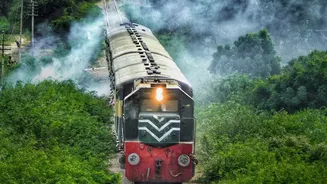
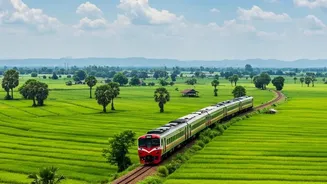
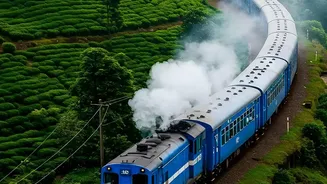
The Konkan coast, while stunningly beautiful, is a challenging terrain for railway operations during the monsoon. The route, which winds through Maharashtra, Goa, and Karnataka, is characterized by deep mountain cuttings, numerous tunnels, and stretches that are highly susceptible to landslides, waterlogging, and flash floods during periods of intense rainfall. To safeguard against these natural risks, Konkan Railway undertakes extensive preparatory work, including strengthening slopes, cleaning drains, and enhancing monitoring systems. The cornerstone of this safety plan, however, is the operational adjustment: trains are mandated to run at slower speeds. Loco pilots are instructed to reduce speeds, sometimes to as low as 40 km/h in vulnerable sections, especially during heavy downpours or when visibility is poor.
The Ripple Effect of Slower Speeds
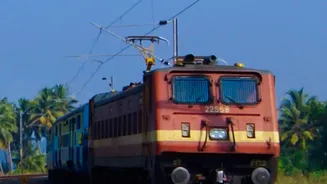
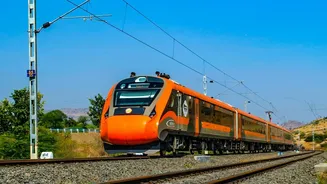
While essential for safety, these speed restrictions have a significant knock-on effect on the entire schedule. A journey that is slower by design will inevitably take longer. To manage this, the monsoon timetable preemptively alters the schedules of dozens of trains. Some services, like the premium Vande Bharat and Tejas Express, see their weekly frequency reduced. Many other trains have their departure times advanced, meaning they leave their originating station earlier than they would during the rest of the year. The result is a schedule that can be vastly different from the one a passenger might have seen when booking tickets months in advance. A train expected at 10:30 a.m. might depart at 8:30 a.m., as a group of 23 passengers unfortunately discovered in a recent incident. Even with these planned changes, the unpredictability of the weather means further, unplanned delays are common. This combination of scheduled extensions and potential on-the-day delays is what makes booking tight connections so perilous.
Your Travel Toolkit: Planning for the Monsoon
Given that the monsoon schedule is a non-negotiable safety feature, the onus falls on the passenger to be prepared. Railway officials consistently advise travellers to proactively verify their train's updated schedule before starting their journey. 1. Re-Verify Your Timings: Do not assume the time on your ticket is still accurate. Use the National Train Enquiry System (NTES) app, visit the official website, or call the helpline (139) a day before your journey to get the most current information on departure and arrival times. 2. Build a Buffer: If you are planning a journey that involves a connecting train, be generous with your layover time. A one-hour connection that seems feasible on paper could easily be missed. Experts and frequent travellers recommend building in several extra hours to account for potential delays. 3. Use 'Connecting Journey' Booking: When booking two separate legs of a journey on the IRCTC platform, use the 'Connecting Journey' option. This officially links your two PNRs in the railway system. This step is crucial if you later need to claim a refund for a missed connection.
When Things Go Wrong: Your Right to a Refund
What happens if, despite your best planning, the first train's delay causes you to miss the second? Indian Railways has a provision for this. If you have linked your PNRs, you may be eligible for a full refund for the ticket of the train you missed. However, you must act quickly. Passengers are required to file a Ticket Deposit Receipt (TDR) within three hours of the actual arrival of their delayed first train at the connecting station. This can be done online via the IRCTC portal under 'My Transactions'. It's important to note that this facility may not apply to tickets booked under the Tatkal quota. While the rule exists, some passengers have reported their TDR claims being rejected, so it's a recourse, not a guarantee. Therefore, the best strategy remains avoiding the situation altogether by planning for a longer, more flexible journey.