






1. Collagen-Infused Waters and Coffees
Once a niche supplement for athletes, collagen is now a mainstream beauty ingredient. Brands like Vital Proteins have masterfully repositioned it from a fitness aid to a daily lifestyle essential for promoting skin elasticity, strong hair, and healthy
nails. The marketing genius lies in its integration into existing rituals. By offering collagen in convenient powders for coffee or ready-to-drink (RTD) waters, brands are selling an effortless upgrade to a morning routine. The message is clear: you don't need a new habit, just a better version of the one you already have. This strategy targets women, who are the primary consumers of these "nutricosmetics".
2. Chlorophyll Water
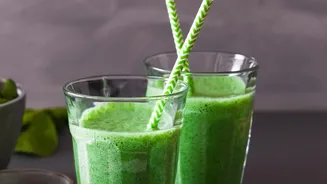
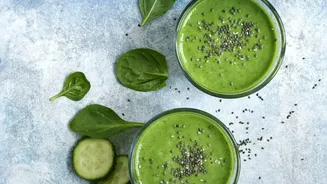
Driven largely by social media trends, chlorophyll water has exploded in popularity with claims of clearing acne and giving skin a 'lit-from-within' glow. Brands market this vibrant green drink by tapping into the visual appeal and viral nature of platforms like TikTok. The marketing narrative often frames it as a plant-powered detox in a bottle. While dermatologists note that evidence for oral consumption is limited and many benefits might just come from better hydration, the visual transformation of a simple glass of water into a green wellness elixir is a powerful marketing hook. It sells the idea of purity and a quick, photogenic fix.
3. Kombucha and the 'Gut-Skin Axis'
Kombucha has successfully ridden the wave of interest in gut health. Marketers are now explicitly linking a healthy gut to radiant skin, a concept known as the 'gut-skin axis'. Brands highlight kombucha's probiotic content, claiming it helps balance the skin's microbiome, reduce inflammation, and improve clarity. The marketing angle is two-fold: it's a healthier, low-sugar alternative to traditional sodas, and it's a beauty treatment you can drink. This dual promise appeals to consumers looking for holistic wellness solutions that deliver benefits both inside and out.
4. Adaptogenic Mushroom Coffees
Mushroom-infused beverages, particularly those with adaptogens like chaga and reishi, are marketed as a way to manage stress—which has a known impact on skin health. Brands such as MUD\WTR position these coffee alternatives as a ritual for focus and calm. The beauty angle is often subtle, centered on the idea that reducing stress leads to better overall wellness, including clearer skin. The marketing targets consumers experiencing burnout and seeking natural remedies, promising not just an energy boost but a balanced state of being that reflects in one's appearance. The adaptogenic drinks market is growing rapidly, with women driving much of the expansion.
5. Prebiotic and Probiotic Sodas
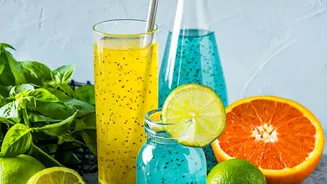
Brands like Olipop and Poppi have reinvented soda by infusing it with prebiotics and probiotics, positioning it as a gut-healthy treat. Their marketing is a masterclass in making health feel fun and accessible. With nostalgic flavors and vibrant, social-media-friendly branding, they've turned a clinical benefit into a cultural phenomenon. The beauty link is made through the gut-skin connection, with slogans like Poppi's "glow up from the inside out." These brands don't just sell a drink; they sell a guilt-free indulgence that also happens to be good for your digestive system and, by extension, your skin.
6. Matcha Lattes
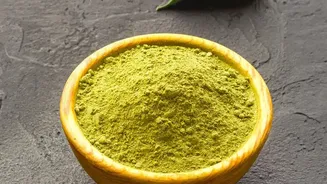
Matcha has long been celebrated for its high concentration of antioxidants. In the context of beauty, marketers frame it as a shield against environmental stressors and premature aging. The visual appeal of a bright green latte is a significant part of its marketing, making it an Instagram-worthy part of a wellness routine. Brands often highlight EGCG, a powerful catechin in green tea, for its skin-protective properties. The narrative sold to consumers is one of mindful energy and antioxidant power, positioning matcha as a sophisticated and health-conscious alternative to coffee that offers a beauty boost with every sip.
7. Turmeric and Golden Milk Lattes
Turmeric-based drinks, often called 'golden milk lattes', are marketed primarily for their anti-inflammatory properties. The key active ingredient, curcumin, is positioned as a natural solution for calming skin conditions associated with inflammation, such as redness and puffiness. The marketing story revolves around ancient wellness traditions and the power of natural ingredients. By presenting it as a warm, soothing ritual, brands tap into the consumer desire for comfort and holistic health. It's sold not just as a beverage, but as a calming daily practice that promotes beauty from a place of internal balance and reduced inflammation.