
The Prime Minister's Plate
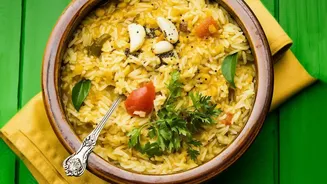
Reports suggest that Prime Minister Modi prefers light, simple, and vegetarian meals that are easy to digest. Dishes like khichdi are said to be a staple. This approach to eating aligns with his public advocacy for traditional Indian foods. He has often
spoken about the benefits of a simple diet rooted in Indian culinary heritage. A key part of this is his regular consumption of makhana, which he has mentioned eating most days of the year, and his championing of millets as a 'superfood'.
Millets: An Ancient Grain's Modern Resurgence
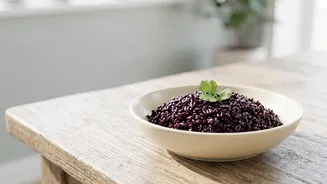
Millets are a group of small-seeded grasses that have been cultivated in India for thousands of years. These include grains like jowar (sorghum), bajra (pearl millet), and ragi (finger millet). For years, they were overshadowed by wheat and rice, but they are making a major comeback, thanks in part to a national push. India's proposal led the United Nations to declare 2023 as the International Year of Millets, a move designed to raise global awareness about their nutritional and environmental benefits. PM Modi has referred to this initiative as a people's movement, aiming to position India as a global hub for these grains, which he has called 'Shree Anna' or the 'best of grains'.
The Nutritional Power of Millets
So, why the big push for millets? These grains are nutritional dynamos. They are naturally gluten-free and packed with protein and dietary fiber. The high fiber content aids digestion, promotes a feeling of fullness to help with weight management, and can help regulate blood sugar levels, making them an excellent choice for people with diabetes. Millets are also a rich source of essential minerals like magnesium, iron, and phosphorus, and vitamins. Their antioxidant properties help protect the body's cells from damage.
Makhana: The Humble Powerhouse Snack
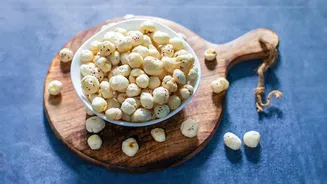
Makhana, or fox nuts, are the seeds of the Euryale ferox plant, a type of water lily. These seeds are harvested, roasted, and popped to create a light, crunchy snack. Though often eaten as a snack, they are versatile enough to be added to curries and desserts like kheer. At a rally, PM Modi highlighted his personal habit of eating makhana nearly 300 days a year, calling it a superfood that should be taken to global markets. Bihar is a major producer of makhana, with the produce from the Mithila region even earning a GI tag.
Why Makhana Is a Smart Choice
Makhana's health benefits are impressive. They are low in calories and fat but high in protein and carbohydrates, making them a filling and energizing snack. They are a good source of minerals like magnesium, potassium, and calcium, which are important for heart health, regulating blood pressure, and maintaining strong bones. Rich in antioxidants, makhana can help combat inflammation and support skin health. Their high fiber content also aids in digestion.
How to Add These Foods to Your Diet
Incorporating these foods is simpler than you might think. You can start by replacing rice with cooked millets like foxtail or barnyard millet for one meal. Millet flours such as ragi or jowar can be mixed with your regular atta to make rotis. For breakfast, millet porridge or upma are excellent, energy-sustaining options. As for makhana, the easiest way to enjoy them is by roasting a handful with a little ghee and seasoning with salt and spices for a quick snack. They can also be added to a trail mix or used to make a nutritious chivda.