





The Sedentary Struggle is Real
From desk jobs to long commutes, many of us spend more time sitting than ever before. This lack of movement can be tough on our bodies. When we're inactive for long periods, the muscles supporting our joints can weaken, and the circulation of synovial
fluid, which lubricates our joints, can decrease. This can lead to stiffness, reduced flexibility, and a greater feeling of wear and tear. Furthermore, a sedentary lifestyle is often linked to systemic inflammation, which can make joint issues worse. The good news is that nutrition can be a powerful ally in your corner.
Embrace Omega-3 Rich Fatty Fish
Fatty fish like salmon, mackerel, and sardines are celebrated for their high content of omega-3 fatty acids. These essential fats are potent anti-inflammatory agents. They work by helping to reduce the body's production of inflammatory molecules that can cause joint pain and swelling. Studies have shown that regular consumption of omega-3s can help ease joint stiffness and may even reduce reliance on anti-inflammatory medications for conditions like rheumatoid arthritis. For vegetarians, sources like flaxseeds, chia seeds, and walnuts offer a plant-based form of omega-3s.
The Golden Power of Turmeric and Ginger
Used for centuries in Indian households and traditional medicine, turmeric and ginger are a powerful duo for joint health. Turmeric contains curcumin, a compound with well-documented anti-inflammatory properties that can help reduce pain and swelling. Ginger has similar effects, and studies show it can effectively reduce knee pain in people with osteoarthritis. When used together, their effects can be amplified. A simple way to enjoy their benefits is to brew a tea with fresh ginger and turmeric, or to add these spices generously to curries, dals, and vegetable dishes.
Go Green with Leafy Vegetables
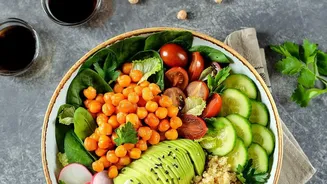
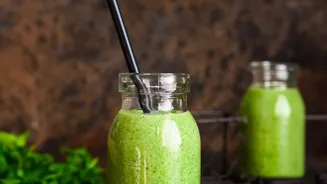
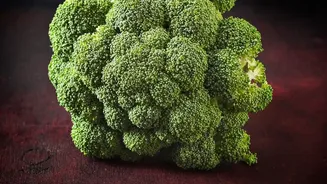
Dark leafy greens such as spinach (palak), kale, and fenugreek leaves (methi) are nutritional powerhouses. They are packed with antioxidants and vitamins, including Vitamin C and Vitamin K. Vitamin C is crucial for producing collagen, a key protein that helps build and maintain healthy cartilage, the flexible tissue that cushions your joints. Meanwhile, antioxidants help protect the body against the kind of cellular damage that can contribute to inflammation and joint deterioration.
Snack on Berries and Nuts
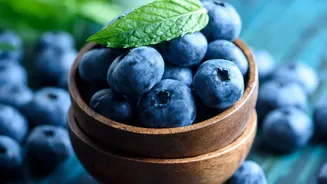
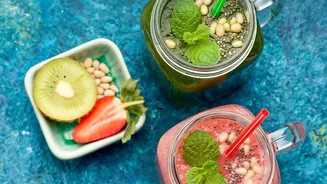
Berries like strawberries, blueberries, and raspberries are not just delicious; they are loaded with antioxidants called anthocyanins. These are the compounds that give berries their vibrant red and purple colours, and they have been shown to help reduce inflammation throughout the body. Nuts, particularly walnuts, are another excellent choice. They provide a combination of healthy fats, including omega-3s, and protein. A handful of nuts or a bowl of berries makes for a perfect, joint-friendly snack.
Support with Collagen-Boosting Foods
Collagen is the most abundant protein in our body and a major component of our connective tissues, including cartilage. As we age, our natural collagen production declines. While the body makes its own collagen, you can support this process. Eating foods rich in vitamin C, like citrus fruits, bell peppers, and leafy greens, is essential for collagen synthesis. Animal sources like bone broth and chicken with the skin on are direct sources of collagen. For vegetarians, eating foods with the amino acids glycine and proline, found in legumes and soy, can provide the building blocks the body needs.