


A Walk Through Shared History
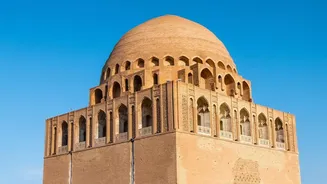
The story of modern India is incomplete without understanding its connection to Central Asia, and Uzbekistan lies at the heart of this narrative. This is the land of Timur and the birthplace of Babur, the founder of the Mughal Empire. When you walk through
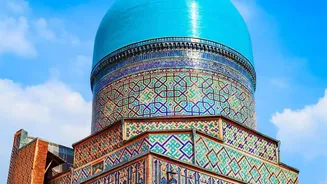
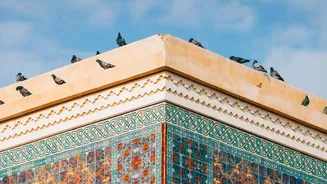
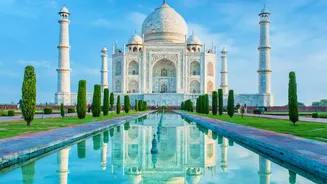
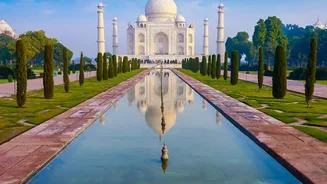
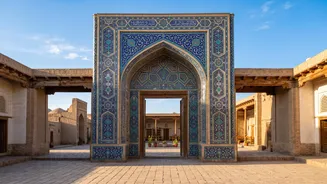
the majestic squares of Samarkand or the winding alleys of Bukhara, you are seeing the architectural DNA that influenced the Taj Mahal and Humayun’s Tomb. The intricate tilework, grand arches, and soaring minarets of the Registan in Samarkand are a direct preview of the Mughal aesthetic that would come to define North India’s skyline. For an Indian traveller, this isn't just sightseeing; it's like visiting the home of a historical ancestor. This shared heritage creates a sense of familiarity and wonder, turning a simple tour into a profound exploration of our own past.
The Silk Road's Living Legacy
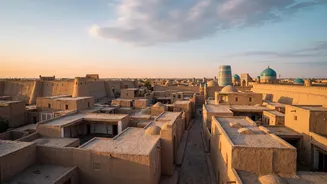
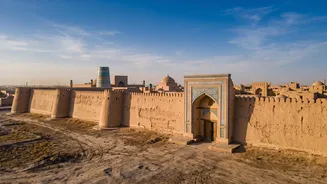
For centuries, the Silk Road was the world's superhighway for trade, ideas, and culture, and cities like Khiva, Bukhara, and Samarkand were its glittering hubs. Indian merchants were a common sight in these bustling caravan cities, trading textiles and spices for silk and horses. This ancient network wasn't just about commerce; it facilitated a deep exchange of philosophies and religions, with Buddhism travelling from India into Central Asia. Today, you can still feel this history. Visiting the walled city of Itchan Kala in Khiva or the covered markets of Bukhara is to experience a living museum. You can wander through spaces where traders from across continents once haggled, making it a tangible connection to an era of global exchange that deeply involved the Indian subcontinent.
Familiar Tastes in a New Land
One of the most delightful surprises for Indian visitors is the food. Uzbek cuisine features many dishes that feel instantly familiar. The national dish, plov, is a rich rice pilaf cooked with meat, carrots, and raisins, which shares its lineage with the Indian pulao and biryani. Similarly, you'll find somsas, which are baked, meat or vegetable-filled pastries that are the direct ancestors of our beloved samosas. While the preparation differs—somsas are baked in a tandoor, not fried—the concept is the same. The prevalence of naan, kebabs, and a love for shared meals makes dining in Uzbekistan a comfortable and delicious experience for the Indian palate.
The Modern-Day Connection: Easy and Accessible
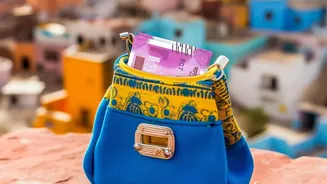
Recent developments have made Uzbekistan one of the most accessible international destinations for Indians. In late August 2026, Uzbekistan announced a 30-day visa-free regime for Indian citizens, a decision aimed at strengthening tourism and business ties. Even before this, the e-visa system was simple and efficient. Furthermore, a growing number of direct flights connect major Indian cities like Delhi, Mumbai, and Hyderabad to Tashkent, with flight times as short as three to four hours. There are now around 14 direct flights every week between the two countries. This ease of access, combined with the affordability of travel within the country, makes it a practical and compelling choice for a short international getaway.
Beyond Monuments: A Culture of Hospitality
While the historical sites are breathtaking, it's the warmth of the Uzbek people that often leaves a lasting impression. There's a deep-rooted culture of hospitality, and Indians are often greeted with curiosity and friendliness. The cultural affinity runs deep, with many Uzbeks being familiar with Indian cinema, from the era of Raj Kapoor to modern Bollywood. This shared popular culture provides an instant icebreaker. The country is also considered very safe, including for solo female travellers. This blend of stunning sights, historical resonance, and a welcoming atmosphere is what elevates a trip to Uzbekistan from a simple vacation to a culturally rich and memorable experience.