




The Metro: Your Pandal-Hopping Lifeline
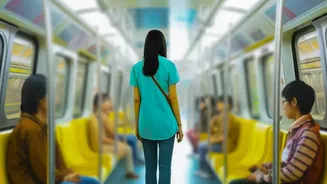
Kolkata's Metro is arguably the most efficient way to travel during the Puja rush. To cope with the millions of pandal-hoppers, Metro Railway typically runs special all-night services on Saptami, Ashtami, and Navami. Trains on the main North-South (Blue
Line) and East-West (Green Line) corridors often run until 4 a.m., connecting major pandal hubs in both North and South Kolkata. While it is the fastest way to bypass gridlocked streets, be prepared for immense crowds, especially during peak evening hours. To avoid long queues at ticket counters, it is highly advisable to use a Smart Card or a mobile QR-based ticket. Planning your route by identifying the nearest metro station to each pandal can save you hours of travel time.
Buses and Trams: The Budget-Friendly Options
The state transport department deploys hundreds of additional buses, including AC and non-AC options, to manage the festive rush. These buses often follow diverted routes to avoid the most congested areas around major pandals. While incredibly budget-friendly, they are susceptible to traffic jams and can be crowded. For a unique experience, look for special Puja Parikrama bus tours, which offer curated routes covering famous 'bonedi bari' (heritage household) pujas and popular community pandals, sometimes with a single-day ticket. The iconic Kolkata trams also run on select routes like Esplanade to Gariahat, offering a nostalgic, decorated ride through the city, complete with guides and snacks for a fixed price.
Autos and Taxis: For Last-Mile Connectivity
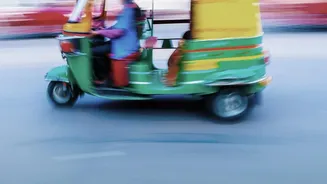
Auto-rickshaws and the classic yellow taxis are essential for reaching pandals that are not directly on a Metro or main bus route. However, this is where travelers need to be most cautious. During Puja, fare refusal and demands for exorbitant, non-metered fares are common. Many arterial roads are closed to autos and taxis, meaning they can only take you to a certain point, after which you will need to walk. If you do opt for a taxi, consider booking a cab for a fixed duration (e.g., an 8-hour package) from a reliable operator in advance. This provides a dedicated vehicle, though it will still have to contend with traffic diversions.
Ride-Hailing Apps: Convenience Comes at a Price
Apps like Uber and Ola offer the convenience of on-demand booking, but they come with significant drawbacks during Durga Puja. Surge pricing is almost a guarantee during peak evening hours, and prices can be several times the normal fare. Wait times can be long, and finding a driver willing to navigate the maze of closed and one-way streets can be a challenge. While useful for early morning or late-night travel when crowds are thinner, relying solely on these apps during primetime can lead to frustration and high expenses.
Ferries: The Scenic and Smart Alternative
Don't overlook the Hooghly river as a transport artery. Ferry services can be a clever way to bypass road traffic entirely, especially when traveling between North and South Kolkata or accessing pandals near the ghats, like Bagbazar and Sovabazar. Special ferry services are often operated during the Puja days, connecting key points like Bagbazar, Howrah, Chandpal Ghat, and Babughat. The ride is not only practical but also offers a beautiful, breezy view of the illuminated city and its bridges. It's a particularly good option for visiting Belur Math or pandals in the Kumartuli area.
Walking: The Most Immersive Experience
Ultimately, no matter which mode of transport you choose, a significant amount of walking is unavoidable. Kolkata Police closes many roads leading to the most famous pandals to all vehicles to manage the massive crowds. Embrace this as part of the experience. Walking is the best way to soak in the festive atmosphere, discover smaller, local pujas, and indulge in the incredible street food that lines the pavements. Wear comfortable shoes and plan your route as a walking tour between a cluster of nearby pandals. This is especially effective in areas like South Kolkata (around Gariahat and Kalighat) and North Kolkata (around Shyambazar and Sovabazar), where several major pandals are located within walking distance of each other.