


The Core of Pilates: Concentration and Control
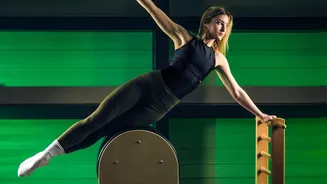
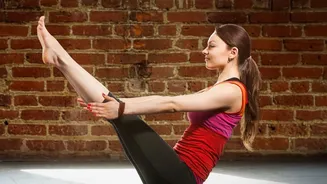
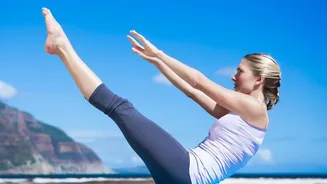
Pilates is built on a foundation of six core principles: concentration, control, centering, flow, precision, and breathing. This method is inherently mindful, demanding your full attention on every subtle movement. The goal isn't just to complete an exercise,
but to execute it with perfect form, engaging specific muscles while maintaining proper alignment and breathwork. This intense focus creates a profound mind-body connection. By concentrating on the quality of each motion, you quiet external distractions and turn your awareness inward. This practice of deliberate, controlled movement not only builds core strength and improves posture but also cultivates a state of calm, present-moment awareness, making the workout a form of moving meditation.
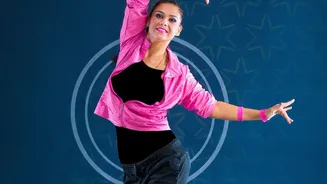
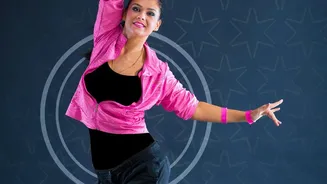
The Rhythmic Joy of Zumba: Release and Re-energize
Zumba takes a completely different, yet equally effective, approach to mental engagement. As a high-energy dance fitness program, it uses upbeat Latin and international music to create a joyful, party-like atmosphere. The mental focus required here is less about quiet introspection and more about staying present with the music and choreography. Learning and recalling dance steps stimulates cognitive functions like memory and coordination. This constant mental engagement helps shift focus away from daily worries. The combination of physical exertion, uplifting music, and social connection triggers a release of endorphins, the body's natural mood-lifters, which effectively reduces stress and anxiety. Research suggests that dance-based fitness can be particularly effective for improving psychological well-being.
Two Paths to Mindfulness
Both disciplines foster a mindful state, but the nature of that mindfulness differs. Pilates cultivates an internal, introspective focus. It’s about feeling how your body works from the inside out, making tiny adjustments to achieve precision and control. The mental challenge lies in maintaining concentration and discipline throughout the slow, deliberate movements. Zumba, on the other hand, encourages an external, expressive focus. Your mind is occupied with following the instructor, matching the rhythm, and letting go. The mental benefit comes from the cognitive challenge of learning new patterns and the emotional release of expressive movement. Studies have shown that both low-intensity mindful exercises like Pilates and high-energy dance like Zumba can improve mood, but Zumba may have an edge in enhancing social and emotional well-being due to its group dynamic.
Which Mind-Body Connection Is for You?
Choosing between Pilates and Zumba depends entirely on your personal preferences and wellness goals. If you are seeking a low-impact workout that builds deep core strength, improves posture, and provides a calm, meditative experience, Pilates is an excellent choice. It's ideal for those who enjoy precision and want to develop a deeper awareness of their body's alignment and mechanics. If you thrive on high-energy environments, love music, and want a workout that feels more like a celebration, Zumba is the perfect fit. It offers a fantastic cardiovascular workout that burns calories while simultaneously boosting your mood and relieving stress in a social setting. Many people find that combining both into their weekly routine provides a well-rounded approach, using Zumba for cardio and fun, and Pilates for strength and mindful connection.