








The New Commercial Space Race
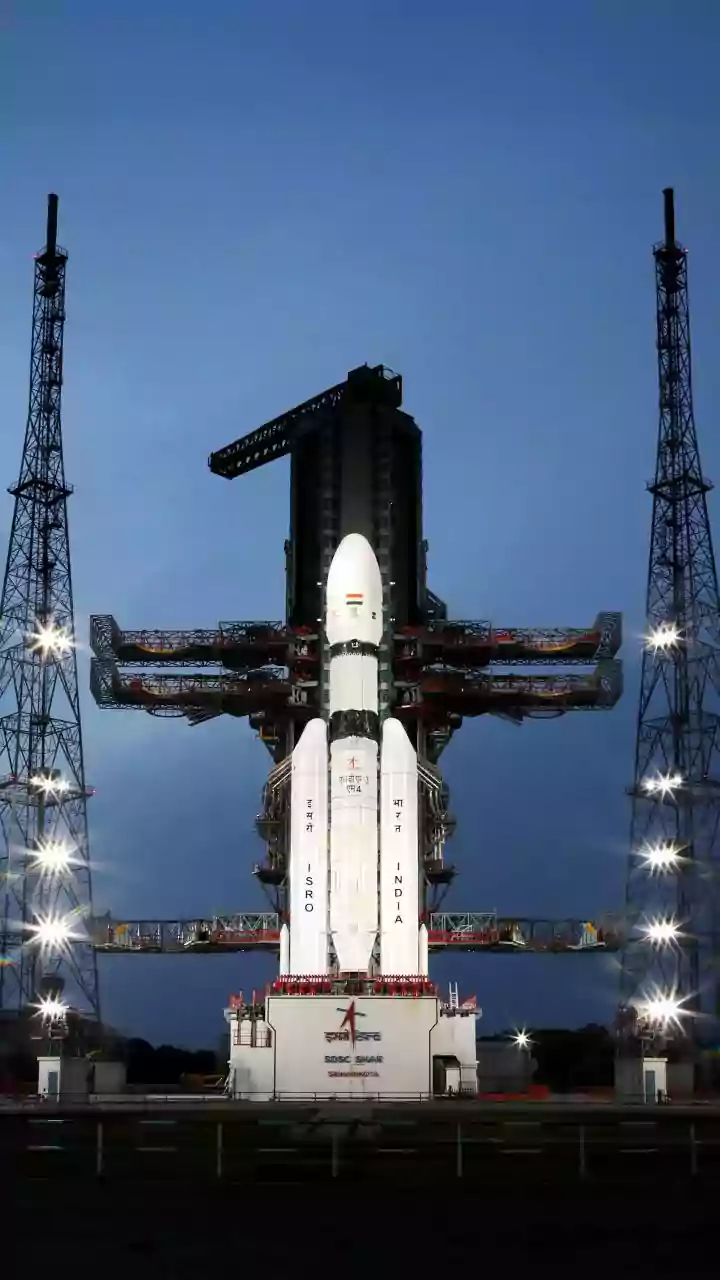
The global space economy is undergoing a massive transformation. Once the exclusive domain of national agencies, the sector is now driven by a dynamic commercial market. Projections show the Indian space launch services market is expected to grow dramatically,
reaching over USD 1.6 billion by 2030. This boom isn't just about a few high-profile missions; it's fueled by the widespread deployment of satellites for communication, Earth observation, and navigation. In India, policy reforms and the establishment of IN-SPACe have opened the doors for private companies, leading to a surge in startups. Firms like Skyroot Aerospace and Agnikul Cosmos are developing their own launch vehicles, creating a vibrant domestic ecosystem that was previously dominated by ISRO. This has created a competitive, cost-effective launch hub that is attracting both domestic and international clients.
The Unsung Heroes: Why Testing Is Non-Negotiable
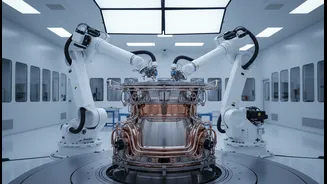
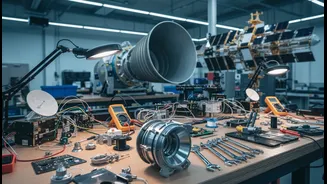
In the high-stakes world of aerospace, there are no small mistakes. A single faulty component can lead to catastrophic mission failure, costing millions and endangering lives. This is where testing and certification professionals become the unsung heroes of the industry. Every part, from the smallest fastener to the most complex electronic hardware, must be rigorously tested to withstand extreme conditions like intense vibrations, temperature swings, and the vacuum of space. This process, known as airworthiness testing, ensures safety, reliability, and compliance with strict international standards like AS9100. It involves structural tests, systems evaluations, and environmental simulations to identify any potential weakness before a vehicle ever leaves the ground. For manufacturers, robust testing isn't just about regulatory compliance; it's about building a reputation for reliability and mitigating immense financial and operational risks.
The In-Demand Roles Behind the Launchpad
The growth in launch services directly translates to a rising demand for skilled quality assurance and testing professionals. These aren't just one type of job, but a spectrum of specialised roles. Quality Assurance (QA) Engineers and Managers are responsible for implementing and overseeing quality management systems, ensuring every stage of production meets aerospace standards. Test Engineers design and conduct the actual tests, from materials analysis to full-system simulations, while Verification and Validation Engineers confirm that all systems work together as intended. Other key roles include Aerospace Quality Inspectors, who perform detailed hands-on checks of components, and Certification Specialists, who navigate the complex regulatory landscape to ensure every part is properly documented and approved. These professionals work across the entire supply chain, from raw material suppliers to the final assembly of the launch vehicle.
Building a Career in Quality and Certification
A career in aerospace testing typically starts with a strong foundation in engineering, such as a degree in mechanical, electrical, or aerospace engineering. Beyond a degree, employers look for specific skills. A deep understanding of materials science, electronics, and manufacturing processes is crucial. Familiarity with industry quality standards, particularly AS9100, is highly valued. Professionals often gain certifications in areas like non-destructive testing (NDT) or quality auditing to enhance their credentials. Strong analytical and problem-solving skills are essential for identifying the root cause of failures and implementing corrective actions. With the private space sector in India booming, opportunities are no longer confined to ISRO. Startups and established aerospace firms are actively recruiting talent with the expertise to ensure their products are safe, reliable, and ready for orbit.