







The Gut-Brain Superhighway
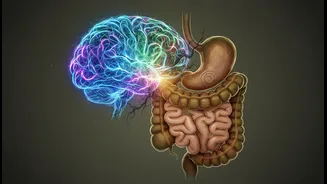
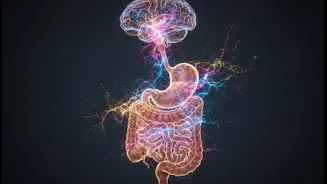
Scientists call this connection the gut-brain axis, a complex, two-way communication network linking your digestive system with your central nervous system. Think of it as an information superhighway. Messages about stress, hunger, and well-being travel
back and forth constantly. When you're stressed, your brain can send signals that disrupt your digestion, leading to cramps or an upset stomach. Conversely, what's happening in your gut—from inflammation to the type of bacteria living there—can send signals that directly impact your mood and mental clarity. This is why the gut is often called the 'second brain'; it's a vital centre of intelligence that shapes how we feel day to day.
Your Gut, The Mood-Maker
One of the most surprising roles of the gut is its production of neurotransmitters, the chemical messengers that regulate our emotions. An estimated 90-95% of the body's serotonin—the famous 'feel-good' chemical—is produced in the gut, not the brain. Specialised cells in the intestinal lining are responsible for this production, and their function is heavily influenced by the trillions of microbes that make up your gut microbiome. When your gut environment is healthy and diverse, it supports robust serotonin production. However, if the gut is inflamed or imbalanced, it can compromise the creation of these essential mood-stabilising chemicals, affecting everything from anxiety levels to sleep quality.
Why Quick Fixes Don't Stick
We often look for a single cause for a bad mood or an upset stomach. Did that one spicy meal cause bloating? Did one stressful meeting ruin the entire day? While immediate triggers exist, the reality is that both our digestive and mental health are the result of long-term patterns, not isolated incidents. The gut microbiome, for instance, is a complex ecosystem built over months and years. While studies show it can start to shift within 24 hours of a major diet change, creating lasting, stable improvement is a much slower process. Just as one healthy meal won't permanently fix a poor diet, one good day won't cure chronic stress. Both systems have a memory, shaped by consistent habits over time.
The Importance of the Long View
Making sense of your behaviour and digestion requires zooming out. Instead of focusing on a single day, look for patterns over weeks and months. Keeping a simple journal tracking food, stress levels, sleep quality, and mood can reveal powerful connections you might otherwise miss. While initial changes like reduced bloating can be seen in a week or two, more significant improvements in mood and mental clarity often take between two to six weeks. Deeper systemic healing, where chronic inflammation subsides and the gut lining repairs, can take six months or more. This longer timeline is necessary because you are not just changing a meal; you are slowly cultivating a healthier internal environment that supports both body and mind.
Nurturing the Connection
A unified approach is the most effective way to support the gut-brain axis. This starts with diet. Prioritising a diverse range of plant-based foods—fruits, vegetables, whole grains, and legumes—feeds beneficial gut bacteria. Diets high in processed foods and refined sugars, on the other hand, have been linked to reduced microbial diversity and an increase in symptoms of anxiety and depression. Beyond diet, managing stress through mindfulness, getting regular exercise, and ensuring quality sleep are equally crucial. These lifestyle factors help calm the 'fight or flight' response that can disrupt both gut function and emotional regulation, fostering a state of balance.