

A Sea in the Sky
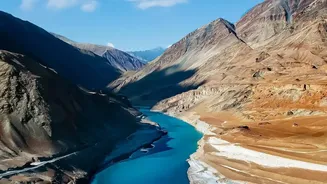
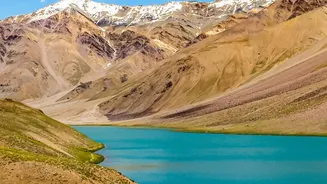
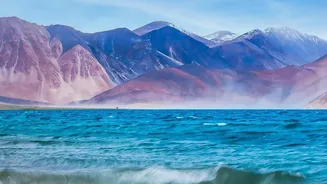
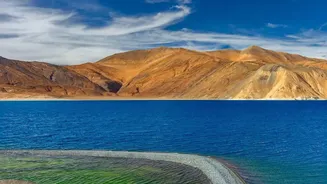
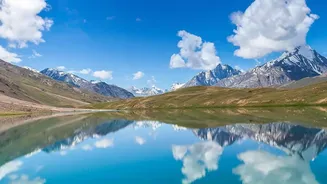
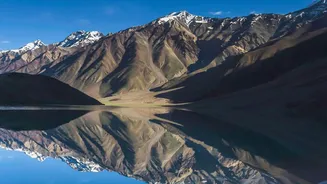
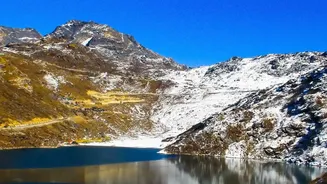
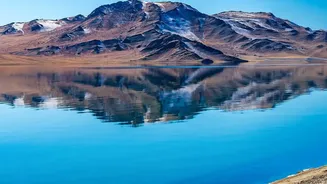
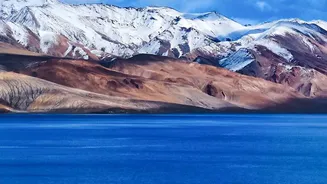
Known as the 'Mountain Lake', Tso Moriri is the largest high-altitude lake located entirely within India. Stretching nearly 28 kilometres in length, its brackish waters shift through an incredible palette of blues over the course of the day. Surrounded
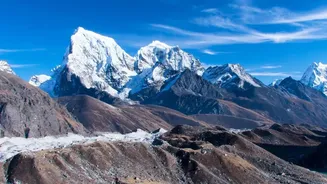
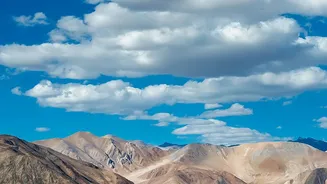
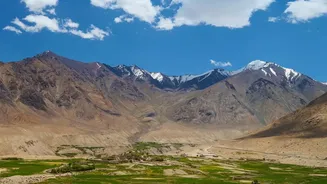
by stark, snow-dusted peaks that rise over 20,000 feet, the lake presents a landscape of breathtaking scale and isolation. Unlike the more frequented Pangong Tso, Tso Moriri offers a quieter, more contemplative experience. The journey to reach it, a multi-hour drive from Leh through the rugged Rupshu Valley, is an integral part of the adventure, preparing you for the sheer stillness that awaits. The air is thin, the silence is profound, and the scenery is a powerful reminder of nature’s raw, untouched grandeur.
A Protected Sanctuary for Rare Wildlife
Tso Moriri is more than just a pretty picture; it is an ecological treasure. The lake and its surrounding marshes form the Tso Moriri Wetland Conservation Reserve, a designated Ramsar site of international importance and the highest of its kind in the world. This protected status is crucial, as the area is a vital breeding ground for a host of rare and migratory species. Birdwatchers are drawn here for the chance to see the endangered black-necked crane, as this is one of its few nesting sites in India. Bar-headed geese, which are famous for flying at extreme altitudes over the Himalayas, also breed here. The surrounding plains are the domain of the kiang, or Tibetan wild ass, often seen in herds. Visitors might also spot Himalayan marmots, blue sheep, and, very rarely, the elusive Tibetan wolf or snow leopard. This rich biodiversity makes Tso Moriri a premier destination for wildlife enthusiasts seeking to observe unique species in their natural high-altitude habitat.
Home of the Changpa Nomads
The stark beauty of the Changthang plateau has been home to the Changpa people for centuries. These semi-nomadic pastoralists lead a life intrinsically tied to the harsh yet beautiful landscape. They herd yaks and, most famously, the Changra goats that produce the world-renowned pashmina wool. Their resilience is remarkable, as they endure freezing winters where temperatures can plummet to minus 40 degrees Celsius. The main settlement near the lake is Korzok, one of the highest permanently inhabited villages in the world. Here, visitors can get a glimpse into the unique culture of the Changpa, from their stone-walled enclosures for livestock to their traditional yak-wool tents, known as 'rebo'. The ancient Korzok Monastery, perched with a commanding view of the lake, stands as a spiritual anchor for the community, adding a deep cultural layer to the natural splendour of the region.
A Journey of Respectful Discovery
Visiting Tso Moriri comes with a responsibility to preserve its fragile ecosystem. Swimming and boating in the sacred lake are strictly prohibited, and camping is not permitted near its shores to protect the delicate wetlands and nesting birds. The region's beauty is matched by its challenges; the high altitude requires proper acclimatisation to avoid mountain sickness. Facilities are basic, reflecting the remoteness of the location. The best time to visit is during the summer months, from May to September, when the roads are accessible and the wildlife is most active. An Inner Line Permit is required for all visitors due to the area's proximity to the Line of Actual Control. For those who make the journey, the reward is an unforgettable encounter with one of the planet’s most serene and majestic landscapes.