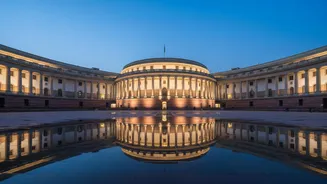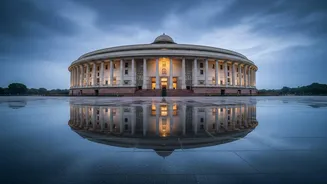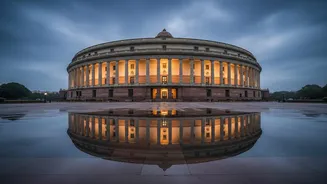





The Financial Drain on Taxpayers
The most straightforward cost of a parliamentary washout is financial. A widely cited estimate, though over a decade old, puts the cost of running Parliament at approximately ₹2.5 lakh per minute. This translates to about ₹1.5 crore per hour and nearly
₹9 crore for a standard six-hour workday. These expenses, which cover everything from salaries and allowances for MPs and staff to building maintenance, security, and utilities, continue to accrue even when no work is done. When entire sessions are crippled by disruptions—with productivity in some recent sessions dropping below 10%—the wasted expenditure runs into hundreds of crores of taxpayer money. For example, the 2021 parliamentary impasse was estimated to have cost the exchequer around ₹133 crore.
Legislative Gridlock and Delayed Progress
Perhaps the most significant impact is on Parliament's primary function: lawmaking. Frequent disruptions create a massive legislative backlog, delaying crucial reforms and policies. Important bills on the economy, social welfare, and national security can remain stalled for years. The Goods and Services Tax (GST) Bill, for instance, was famously delayed for over five years due to persistent political obstruction. This paralysis doesn't just halt progress; it encourages a harmful trend where, to overcome the logjam, bills are passed with little to no debate. In recent sessions, major pieces of legislation, including parts of the Union Budget, have been passed amidst chaos in a matter of minutes, completely bypassing essential scrutiny.
Erosion of Government Accountability
A functioning Parliament is the primary forum for holding the government of the day accountable. Crucial mechanisms like Question Hour, Zero Hour, and various debates allow elected representatives to question ministers, scrutinise government actions, and raise issues of public importance. Washouts completely obliterate these opportunities. When Question Hour is repeatedly disrupted, ministers are shielded from tough questions, and a vital tool for ensuring transparency is lost. This breakdown of executive accountability weakens the fundamental checks and balances of a democratic system, allowing governance to happen in a vacuum, away from the watchful eyes of the people's representatives.
The Unseen Social and Democratic Costs
The ripple effects of a dysfunctional Parliament spread far beyond New Delhi. When laws are delayed or passed without discussion, the people who need them suffer. Policy paralysis can deter economic investment, while the failure to address pressing social issues can prolong hardship for millions. Furthermore, the constant spectacle of disorder erodes public faith in democratic institutions. Citizens begin to view Parliament not as a temple of democracy but as an arena for political theatrics, fostering cynicism and disillusionment. This decline in trust is a profound long-term cost, as it weakens the very foundation of representative governance and encourages a 'tit-for-tat' political culture where obstruction becomes the norm.